E-Paper



The fate of 4,000 Indians in conflict-hit Ukraine
The safety and evacuation of Indians in Kharkiv, Sumy and other cities is a priority for New Delhi, and will be a test for special relations between India and Russia

 Prefer HTon Google


The fate of nearly 4,000 Indians stuck in conflict zones in eastern Ukraine is fast becoming a test for special relations between New Delhi and Moscow, with India repeatedly calling for safe passage to facilitate the evacuation of its nationals out of harm’s way.
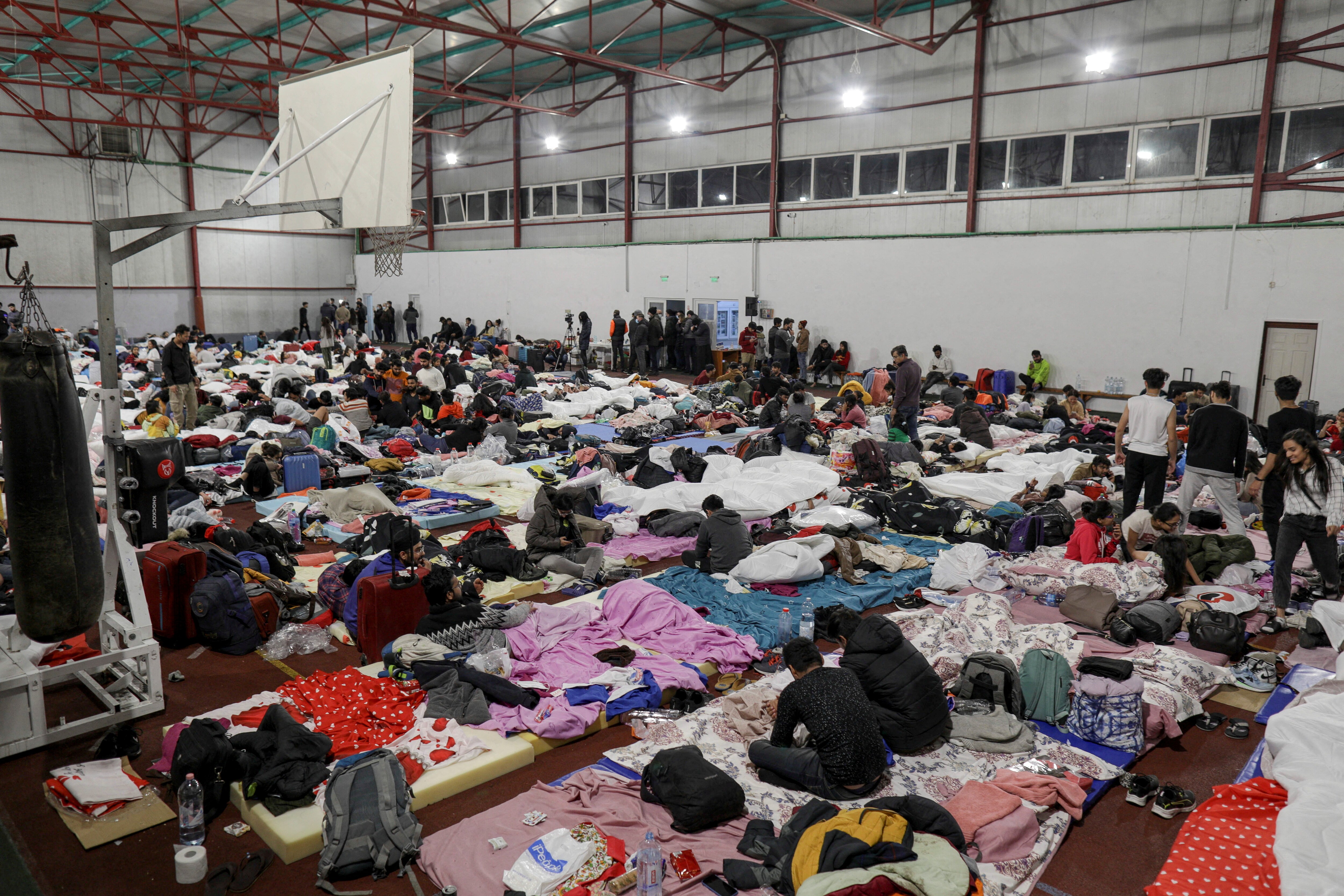
The safety and evacuation of the Indians in Kharkiv, Sumy and other cities in eastern Ukraine, the target of intense Russian shelling and rocket attacks, have become the Indian government’s top priority following the death of an Indian student named Naveen Shekharappa Gyandagoudar in Kharkiv on Tuesday.
The Indian side has already deployed a team from the embassy in Moscow in the Russian city of Belgorod, located some 75 km across the border from Kharkiv and begun working on transport and logistics for a possible evacuation on this route. However, the team has been unable to make any headway because of the fighting going on across eastern Ukraine, people familiar with the development said.
Since Sunday, foreign secretary Harsh V Shringla has called in the envoys of Russia and Ukraine twice to express concern about the safety of Indians stranded in Kharkiv and other conflict zones and to demand safe passage for their evacuation. The Ukrainian side appears to have thrown up its hands, with ambassador Igor Polikha going so far as to tell reporters that Russian President Vladimir Putin alone can give assurances regarding the safety of the Indians.
Shringla told a media briefing on Tuesday night that almost half of the 8,000 Indians still in Ukraine were in cities such as Kharkiv and Sumy in conflict zones. Prime Minister Narendra Modi, during his calls with both European Council President Charles Michel and French President Emmanuel Macron, stressed the need for “ensuring free and uninterrupted humanitarian access and smooth movement of all people”.
In a phone call with Putin on February 24, hours after the Russian president ordered the “special military operation” in support of the breakaway Ukrainian regions of Donetsk and Luhansk, Modi had “asked for assistance in ensuring the security of Indian citizens” in Ukraine, according to a Russian readout of the conversation. In response, Putin had said that “necessary instructions would be given”.
The heightened concerns regarding the safety of the Indians in the conflict zones have only added to the complex diplomatic manoeuvring India is having to do on the Ukraine crisis at a time when it is facing growing pressure from its Western partners, including the US and key European players, to take a position on condemning Russia’s actions.
While the evacuation of Indians via Ukraine’s western borders with Hungary, Poland, Romania, Slovakia and Moldova has been relatively smoother, barring the problems caused by massive crowds and delays at border checkpoints, the Indians stranded in eastern Ukraine are in dire straits amid reports of an uptick in the Russian offensive.
Most of the Indians in the eastern conflict zones have been in bomb shelters and bunkers for about five days, with dwindling food and water supplies. The Indian student who died in Kharkiv was the casualty of a Russian attack that occurred when he stepped out to buy food.
The people cited above said that, after initial hiccups, things were moving in a coordinated manner to evacuate Indians fleeing via Ukraine’s western borders, with several flights picking them up from neighbouring countries. In the eastern conflict zones, uncertainty persists despite the priority attached by the Indian side to getting out the trapped citizens.