
 E-Paper


Donald Trump invokes World War II-era law for deportations, faces court challenge
Trump administration challenged the restraining order, arguing that blocking a presidential act before its announcement would undermine executive authority.

 Prefer HTon Google


President Donald Trump on Saturday invoked the 1798 Alien Enemies Act, citing an alleged Venezuelan gang invasion, to fast-track mass deportations and tighten his immigration crackdown.
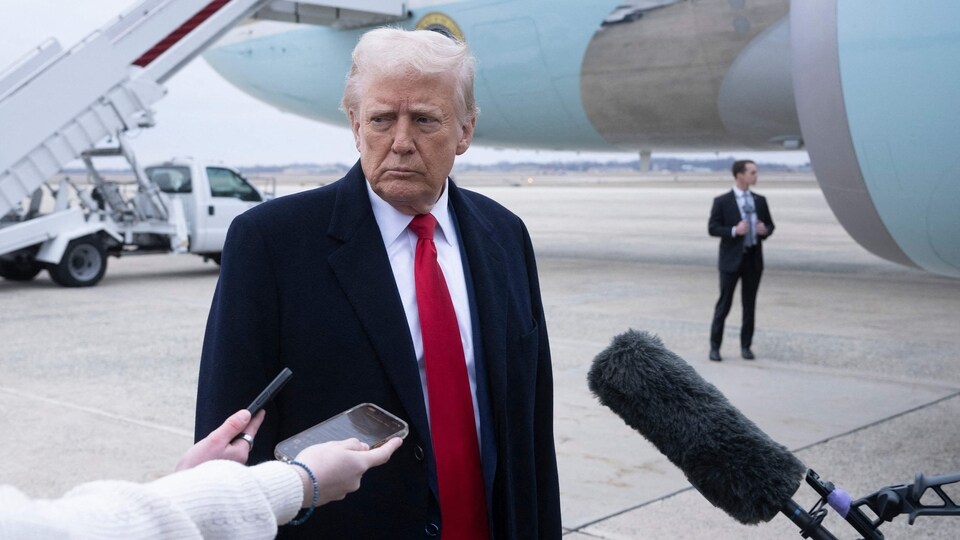
Trump's declaration targets Tren de Aragua, claiming it operates under Venezuela’s government. The move coincides with a federal judge in Washington blocking the deportation of five Venezuelans under the expected order, hinting at a legal battle ahead. The judge was set to consider expanding the ban just minutes after Trump’s announcement.
“Over the years, Venezuelan national and local authorities have ceded ever-greater control over their territories to transnational criminal organisations, including TdA,” Trump's statement reads.
“The result is a hybrid criminal state that is perpetrating an invasion of and predatory incursion into the United States, and which poses a substantial danger to the United States,” he added.
The act was last used during World War II to intern Japanese-American civilians and has only been invoked twice before, during World War I and the War of 1812.
In his declaration, Trump argued that its use is justified, claiming the Tren de Aragua gang—often mentioned in his campaign speeches—has ties to Venezuelan President Nicolás Maduro's regime.
Trump had discussed using the act during his campaign, prompting immigration groups to prepare for it. This led to Saturday’s unusual lawsuit, filed before his declaration was even made public.
The American Civil Liberties Union and Democracy Forward filed the suit on behalf of five Venezuelans whose deportation cases had suddenly progressed in recent hours.
James E Boasberg, chief judge of the DC Circuit, issued a temporary restraining order blocking the deportation of five Venezuelans in immigration custody for 14 days under the act.
The individuals believed they were about to be deported. Boasberg said his order was “to preserve the status quo.” He scheduled a hearing later in the afternoon to decide whether to extend the order to all Venezuelans in the United States.
Hours later, the Trump administration challenged the restraining order, arguing that blocking a presidential act before its announcement would undermine executive authority.
In its appeal, the Justice Department warned that allowing the order to stand would give district courts the power to halt urgent national security measures simply upon receiving a complaint.
It warned that this could extend to actions like drone strikes, intelligence operations, or terrorist captures and extraditions. The court “should halt that path in its tracks,” the department said.
The rapid legal battle underscores the controversial Act, which could grant Trump broad authority to deport people in the country illegally. It allows his administration to bypass some legal protections and quickly remove those it claims are gang members.
The White House has already labelled Tren de Aragua a terrorist organisation and is preparing to transfer about 300 suspected members to detention in El Salvador.
With AP inputs


