E-Paper


Gas prices expected to go down in these US states: Full list and what to expect
Gas prices across five Great Lakes states are expected to drop by up to 40 cents per gallon in the coming weeks.

 Prefer HTon Google


The national average price of gas has climbed to $4.46 per gallon, up 49% since the Iran war began in late February. US consumers are now spending around $1 billion more per day on fuel than before the war started, with $550 million of that coming from gas prices alone, oil industry analyst Andy Lipow told NBC News. As prices continue to rise across the country, some relief may finally be on the way for drivers in the Great Lakes region but experts warn it may not last.
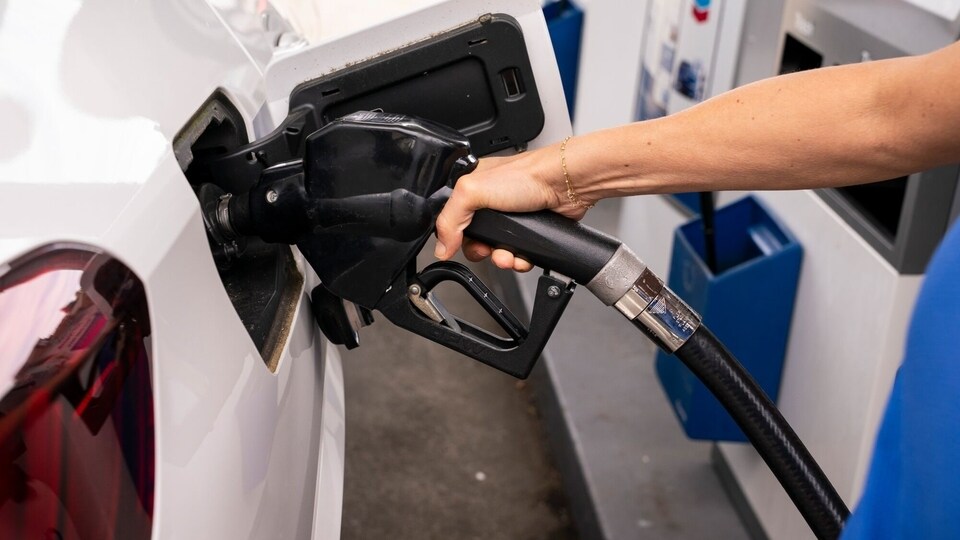
Fuel analyst Patrick De Haan of GasBuddy says a drop of 20 to 40 cents per gallon on gasoline and 25 to 60 cents on diesel is expected in the coming two weeks for the region, as refinery conditions begin to ease.
Which states will see the biggest drops?
Michigan is expected to benefit the most, having been hit hardest with prices reaching $4.86 per gallon. Indiana, Ohio, Illinois and Wisconsin are also among the states flagged for significant declines, according to De Haan.
How bad did it get?
The recent surge was severe. Michigan was among the hardest hit with the average price for regular unleaded reaching $4.86 a gallon on Monday after jumping more than 85 cents in just one week, according to AAA, as cited by Newsweek. At that rate, Michigan drivers were paying an average of $73 for a standard 15-gallon fill-up.
Other states in the region saw similar spikes. AAA reported statewide averages last week of $3.992 in Indiana, $4.087 in Ohio, $3.933 in Wisconsin and $4.450 in Illinois. Michigan even hit a record diesel price of $6 per gallon on Sunday, according to De Haan.
Nationally, the average stood at $4.229 as of late last week which is the highest since July 2022 but that figure was still well below what drivers in Michigan, Indiana and Ohio were paying. Illinois hovered just under $5.00 statewide, making it a regional outlier.
Analysts say it was because of of falling refinery outages, maintenance slowdowns and a tightening of supply. The US Energy Information Administration reported that gasoline inventories dropped from 228.4 million barrels to 222.3 million, while production dipped to 9.8 million barrels per day, as per Newsweek.
Also Read: 'We're not just…': Man stuck on MV Hondius breaks down after hantavirus outbreak
Why the relief may be short-lived?
While refinery conditions are now easing, the bigger threat remains the Iran war. The conflict has repeatedly disrupted tanker traffic near the Strait of Hormuz which is a critical chokepoint that handles more than 20% of the world's oil supply every day. Before the war, around 150 ships would cross the strait daily. On Monday, just four ships made the crossing, according to data from S&P Global as cited by NBC News.
That means the expected drop at the pump could disappear quickly if tensions in the Middle East flare up again or if any new refinery problems emerge. De Haan has advised drivers not to rush to fill up their tanks just yet, as prices are expected to continue falling in the short term but the situation remains fragile.