E-Paper


In 2008, Leonardo DiCaprio moved into a $3.67 million solar-powered tower in Manhattan, and its green features were years ahead of their time
In 2008, Leonardo DiCaprio bought a $3.67 million apartment in a Manhattan tower where solar supplies 10% of the energy, and many other green features add up.

 Prefer HTon Google


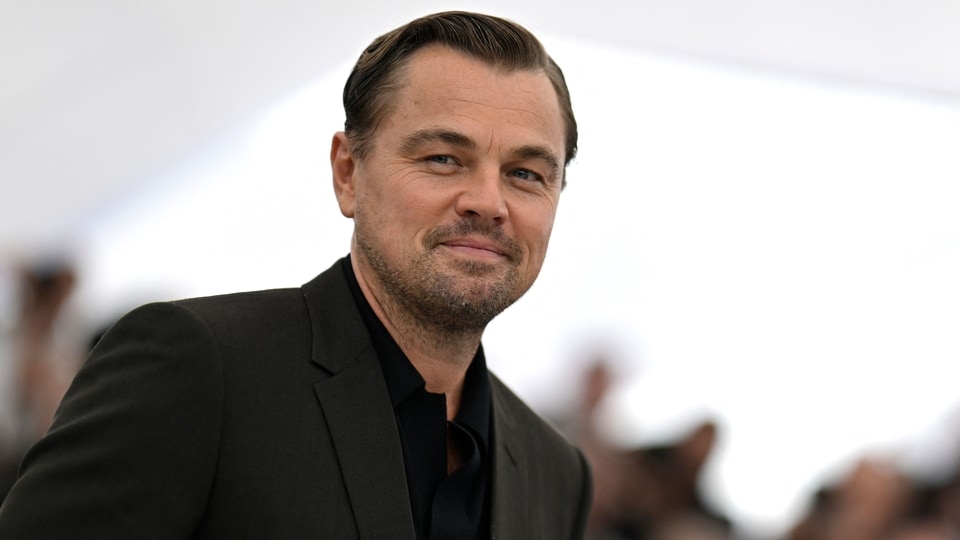
In 2007, Leonardo DiCaprio produced and narrated The 11th Hour, a documentary about the state of the natural environment. A year later, in 2008, he did something a bit more personal. He bought a $3.67 million Manhattan apartment, according to Robb Report, in a building that runs partly on solar power. That building, the Riverhouse in Battery Park City, is a 32-story condo tower with a rooftop solar array. So what set it apart?
A neighborhood with green rules
The story begins with the neighborhood itself, not the tower. Battery Park City sits on 92 acres of landfill in the southwestern corner of Manhattan. A 2004 paper, ‘Charging the Battery: Energy Efficiency in Battery Park City,’ explains what happened next. In the late 1990s, the Battery Park City Authority decided on an interesting move. All new construction on its remaining land had to follow the green guidelines. A New York State tax credit for green buildings also provided a boost for developers, the authors note. So, the area used rules and rewards to encourage people to build greener homes.
A tougher rulebook for newer buildings
The authority kept improving its rules. According to the same paper, the first building built to these standards, the Solaire tower, welcomed its first residents in July 2003. It was awarded the LEED Gold standard in April 2004. The paper adds that, by the time it was written, The Solaire's rents carried a 5% premium over similar nearby buildings because of its green features.
Experience gathered while working on The Solaire led to a new version of regulations. The updated rules were published in December 2003, along with an invitation for developers to bid on site 16/17, where the Riverhouse would later be built. The authors point out a catch. The authority could not force older buildings to become more efficient. So towers like the Riverhouse had to follow rules that older buildings never faced.
What was actually inside the tower
An Urban Land Institute case study lists the green features. Solar panels on the roof produce 10% of the building's energy. Heat pumps provide heating and cooling. About 75% of the available surface area is landscaped, and an on-site system captures and filters half of the rainfall. Most of the construction materials come from within 500 miles, and 80% of them contain recycled components. The riverside, too, received a double layer of glass from architects Polshek Partnership, now Ennead Architects. It helps with airflow and energy usage. Ennead describes the tower as LEED Gold certified, and says it was the first residential use of double-glass curtain wall technology in the United States. Those choices looked ahead of their time in 2008: The Solaire, the first tower built under the neighborhood's rules, had opened only five years earlier. The base also houses a New York Public Library branch.
Why solar was only part of the story
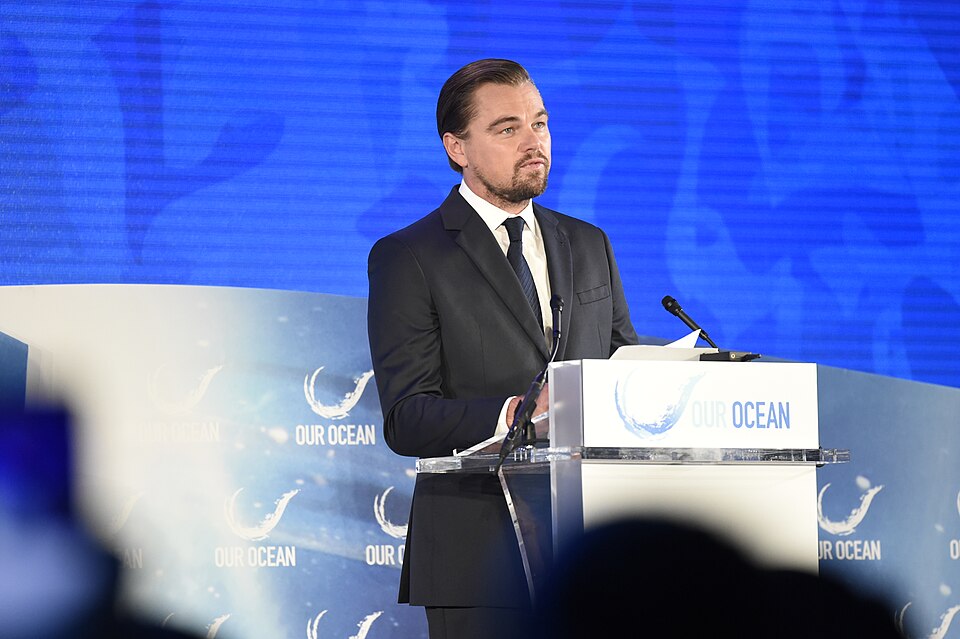
It helps to be clear about the word 'solar.' That 10% figure means most of the building's power still comes from elsewhere, which is not a flaw. The Riverhouse was built from many small decisions, from heat pumps to recycled materials to landscaping that manages rain. DiCaprio had been a board member of Global Green USA, an environmental group, at the time. His publicist said the building shows that green technology is within reach for new housing developments. That means the design was part of the appeal. Robb Report also notes that in 2014 DiCaprio further increased his footprint and added a neighboring unit for $8 million. The lesson for today's young buyers is simple. A green home isn't about one big feature. It's about all those small ones that add up.