
 E-Paper


NYT analyst warns polls could be ‘underestimating’ Trump again: ‘Nonresponse bias’ emerging as pivotal game-changer
Even though the final polls paint an undecisive picture of the outcome, NYT's chief political analyst says shy Trump voters are unaccounted for in surveys.

 Prefer HTon Google


Even during the home stretch ahead of Election Day, a “clear favourite” has failed to conspicuously emerge between presidential candidate rivals Kamala Harris and Donald Trump. Despite their neck-and-neck high-stakes competition depicted in the polls, these results have again encountered the major setback of “nonresponse bias,” with shy Trump voters keeping their presidential picks for future ballots concealed until the very end.
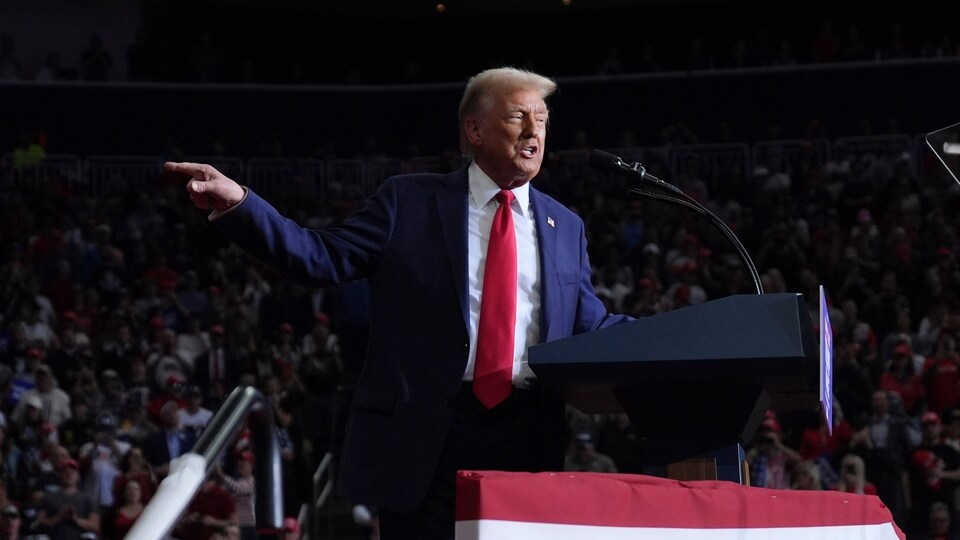
The New York Times' chief political analyst Nate Cohn warned of the same underlying gap in the poll results now and the final decision yet to arrive. On Sunday, he reiterated that this election cycle was presumably making the identical blunder it did in 2016 and 2020 while “underestimating” Donald Trump in the presidential race. The same day, the Times and Siena College released their final poll, illustrating where the political showdown was headed in the seven battleground states.
Also read | After AI Nostradamus, viral baby hippo Moo Deng also predicts US election winner
No ‘clear favourite’ in pre-Election Day polls
Studying these results, Cohn analysed in his write-up how they don’t “point toward a relatively clear favourite” even if the Democratic presidential hopeful fared slightly better.
“On average, Ms. Harris fared modestly better than our last round of surveys of the same states, but her gains were concentrated in states where she was previously struggling,” he wrote. “Meanwhile, the so-called Blue Wall (Michigan, Wisconsin and Pennsylvania) does not look quite as formidable of an obstacle to Mr. Trump as it once did. As a result, Ms Harris’s position in the Electoral College isn’t necessarily improved.”
Read more | Catch all the newsmakers, detailed explainers and deep analysis of the US. Elections
Shy Trump voters concealing their answers till the last minute
Cohn also underlined how “nonresponsive bias” underestimated the former leader even in previous cycles, as he foregrounded that Democrat-leaning public was more likely to participate in answering pollsters. “Four years ago, the polls were thought to underestimate Mr Trump because of nonresponse bias — in which his supporters were less likely to take surveys than demographically similar Biden supporters.”
Continuing his analysis for The Times, he added, “Across these final polls, white Democrats were 16 per cent likelier to respond than white Republicans. “It raises the possibility that the polls could underestimate Mr. Trump yet again. We do a lot to account for this, but in the end there are no guarantees.”
Studying an emerging “pattern” across the battleground states, Cohn asserted, “Democrats lead in early voting; Republicans lead with what remains, and in each case it’s not by the sweeping margins of four years ago, when the pandemic upended the usual early voting pattern.”
The NYT/Siena College’s battleground polls analysis revealed on Sunday that Kamala Harris was largely leading Donald Trump across the states, with Arizona and Michigan as the exceptions. Meanwhile, the highly consequential game-changing graphics from pivotal Pennsylvania again had them tied.
Read more | HT in US: Special Coverage of the American elections by Prashant Jha


