
 E-Paper


Trump, Putin begin high-stakes call with Ukraine peace deal on the line
Donald Trump and Vladimir Putin are discussing a 30-day ceasefire proposal to end the war in Ukraine.

 Prefer HTon Google


Donald Trump and Russian President Vladimir Putin have begun a highly anticipated call as the US administration looks to persuade the Russian leader to sign-off on a 30-day ceasefire proposal as a possible pathway to end the war.
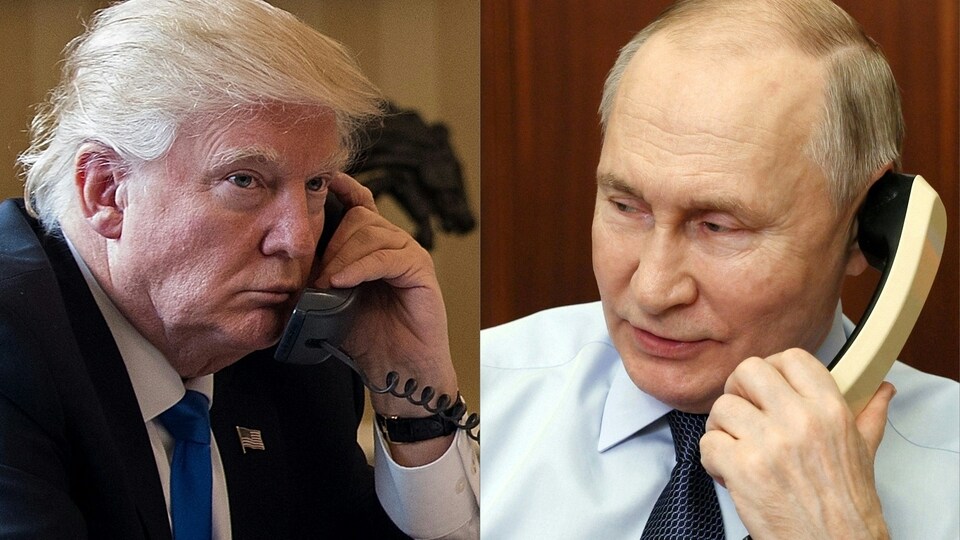
The call began at 1400 GMT and is going well, according to White House deputy chief of staff Dan Scavino. "The call is going well, and still in progress," Scavino wrote on X.
The conversation comes amid growing pressure for an end to the three-year conflict, which has claimed hundreds of thousands of lives, displaced millions, and left parts of Ukraine in ruins.
Ceasefire on the table
Trump is seeking to convince Putin to formally accept the 30-day truce, which Ukrainian officials agreed to last week during US-led talks in Saudi Arabia, spearheaded by Secretary of State Marco Rubio. However, Ukrainian President Volodymyr Zelensky remains skeptical of Putin’s intentions, arguing that the Kremlin is stalling for time while continuing its bombardment.
Ahead of the call, Trump signaled that territorial control and key infrastructure, such as nuclear power plants, would be part of the discussion. The fate of the Zaporizhzhia nuclear power plant — Europe’s largest — is believed to be central to the negotiations. The plant has been under Russian control since 2022, raising fears of a nuclear disaster.
"We're going to see if we can work out a ceasefire and, ultimately, peace," Trump told reporters on Monday. "I think we’ll be able to do it."
Russia's conditions
While Putin expressed support last week for the US ceasefire proposal "in principle," he indicated that several conditions must be met before Russia agrees to halt its offensive. The Kremlin insists on maintaining control over the territories it has seized, including Crimea and large parts of eastern Ukraine.
In contrast, Zelensky has repeatedly asserted that Ukraine’s sovereignty is non-negotiable. He warned on Monday that any deal allowing Russia to retain occupied land would be a "betrayal" of Ukraine’s people.
"Now, almost a week later, it’s clear to everyone in the world — even to those who refused to acknowledge the truth for the past three years — that it is Putin who continues to drag out this war," Zelensky said in his nightly address.
Russia seized the Crimea peninsula from Ukraine in 2014 and controls most of four eastern Ukrainian regions following its invasion in February 2022. It controls about a fifth of Ukrainian territory.
Putin said he sent troops into Ukraine because NATO's creeping expansion threatened Russia's security. He has demanded Ukraine drop its ambition of joining the Western military alliance.
Putin has also said Russia must keep control of Ukrainian territory it has seized, that Western sanctions should be eased and Kyiv must stage a presidential election. Zelenskiy, elected in 2019, rules under martial law he imposed because of the war.
Trump has moved the United States closer to Moscow since coming into office while alienating allies with tariffs and suggestions of annexing Canada and taking over Greenland.


