E-Paper


USCIS tightens H-1B visa process with a stricter form: What you need to know
USCIS has introduced an updated H-1B form with stricter disclosures and requirements.

 Prefer HTon Google


The US Citizenship and Immigration Services (USCIS) has introduced a new update on its non-immigrant worker petition form, with the changes taking effect from April 1st, 2026.
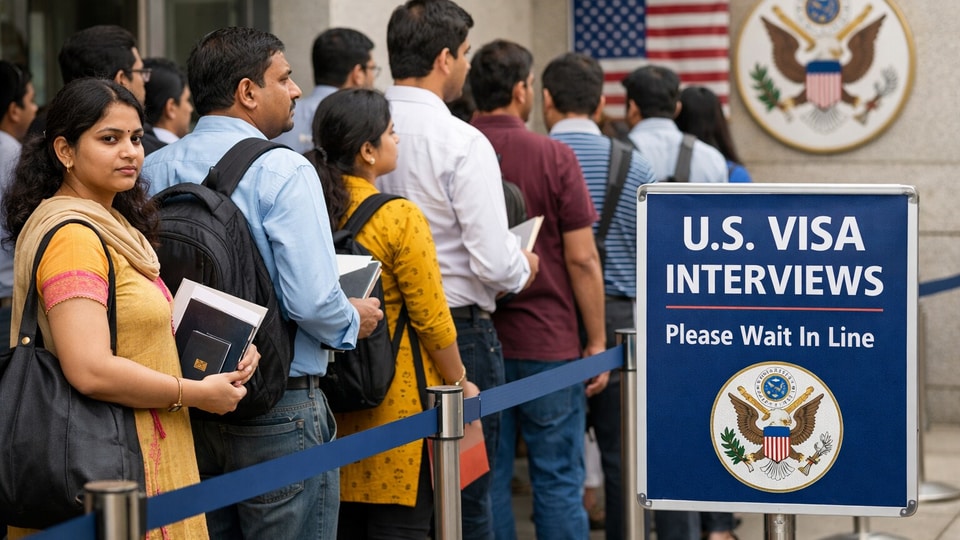
Following the modifications, the USCIS will no longer be accepting the previous version of the I-129 form. The petitioners must submit the new version of the form from 2nd April itself. However, the older version is applicable for consideration if it was filed before 31st March, 2026.
The H-1B form allows the US employers to hire foreign workers on a temporary, nonimmigrant basis. The requirements for the applicants state that they must possess a specialization or at least a bachelor's degree in the concerned field.
The modified form has changed towards the H1 classification section. These changes are introduced under the new wage lottery system and will be applicable for the fiscal year 2027.
Mandatory disclosures
The employers will also have to disclose more details about the minimum qualifications for the job, salaries offered, wage level as per the industry or Labour Condition Application (LCA), work locations and employment arrangement. The form also necessitates mandatory disclosure about the immigration history of the employee. The applications will undergo a stricter scrutiny.
Visa Categories impacted
While the main visa categories remain unchanged, the changes are not limited to H-1B visas. It allows the petitioner to request to extend the stay or modify visa status. The categories which allow employers to bring non immigrant workers to America fall under categories such as H-2A, H-2B, H-3, L-1, O-1, O-2, P-1, P-1S, P-2, P-2S, P-3, P-3S, Q-1, and R-1.
Applicants will also be allowed to use the form to extend or change visa status to E-1, E-2, E-3, H-1B1, TN, or other given classifications. The form will also permit students to file a transition study visa to work visa. However, as per the new guidelines, the US employers will not be allowed to hire F-1 students under the H-1B program.
The major impact of the reforms will be felt by employers and nations who supply high skilled labor to perform services, training and labor in the United States.