
 E-Paper


What is a 'Zombie Drug'? All about the toxic plants linked to Jeffrey Epstein
Epstein files reveal references to potentially mind-altering trumpet plants linked to scopolamine.

 Prefer HTon Google


The recent release of the Epstein files contains troubling references to plants potentially linked to a drug with extreme mind-altering effects. In one of the newly uncovered emails, Epstein asks a contact about “trumpet plants at nursery.”
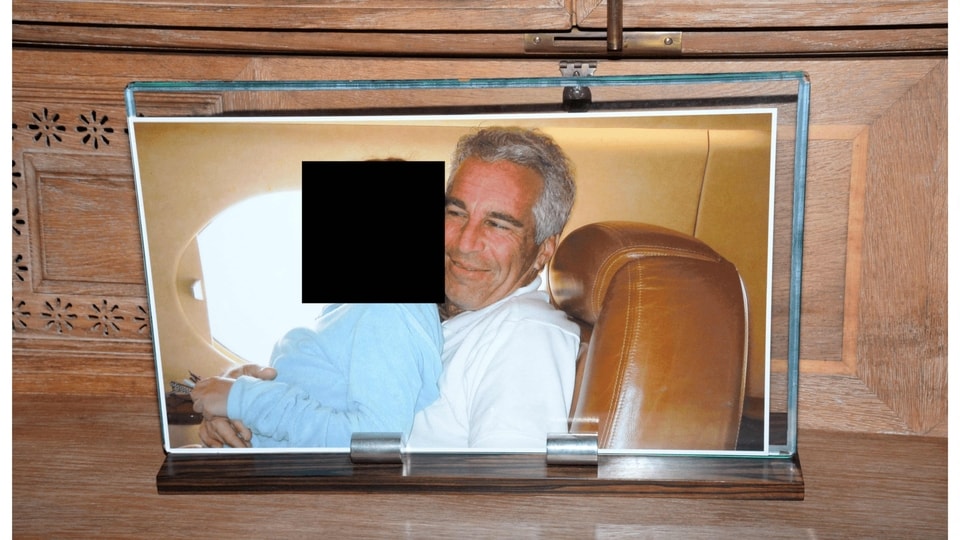
According to TMZ, the reference is likely to Angel's trumpet, a plant known to produce scopolamine, sometimes described as a zombie drug due to its dramatic neurological effects. TMZ first reported the discovery of the emails and plant references on February 16, 2026.
Read more: 'Totally exonerated': Trump denies link to Epstein, says has ‘nothing to hide’
What is scopolamine? The zombie drug
Scopolamine is a tropane alkaloid that can be extracted from plants such as Angel's Trumpet and similar species. Trumpet plants, such as species of Datura and Brugmansia, are distinguished by their huge, trumpet-shaped, pendulous flowers.
In high doses, it can cause memory loss, hallucinations, confusion, paralysis and loss of free will. This leaves consumers highly susceptible to suggestions. The drug is also called “Devil's Breath” or “Zombie Drug” because of its effects.
TMZ reported that another alarming aspect of the drug is that it may not show up on standard toxicology tests.
Read more: Britain’s Monarchy Can’t Escape the Shadow of the Epstein Scandal
Mention in the Epstein files
Three distinct references to trumpet plants can be found in Epstein's emails.
In 2014, Epstein wrote, "ask Chris about my trumpet plants at nursery [SIC]?" In another
TMZ suggests that Epstein was aware of the effects of the drugs because of an email titled, “Scopolamine: Powerful drug growing in the forests of Colombia that ELIMINATES free will.”
In addition to the March 2014 note, the effects of scopolamine were described in a this forwarded Daily Mail and Vice article in 2015 that said, "You can guide them wherever you want." They act like children.
An additional email from 2022 included a victim's account of alleged scopolamine drugging in 2014.
The documents demonstrate awareness and purposeful interest, even though they do not directly verify that he ever used the plants or drugged anyone.


