
 E-Paper



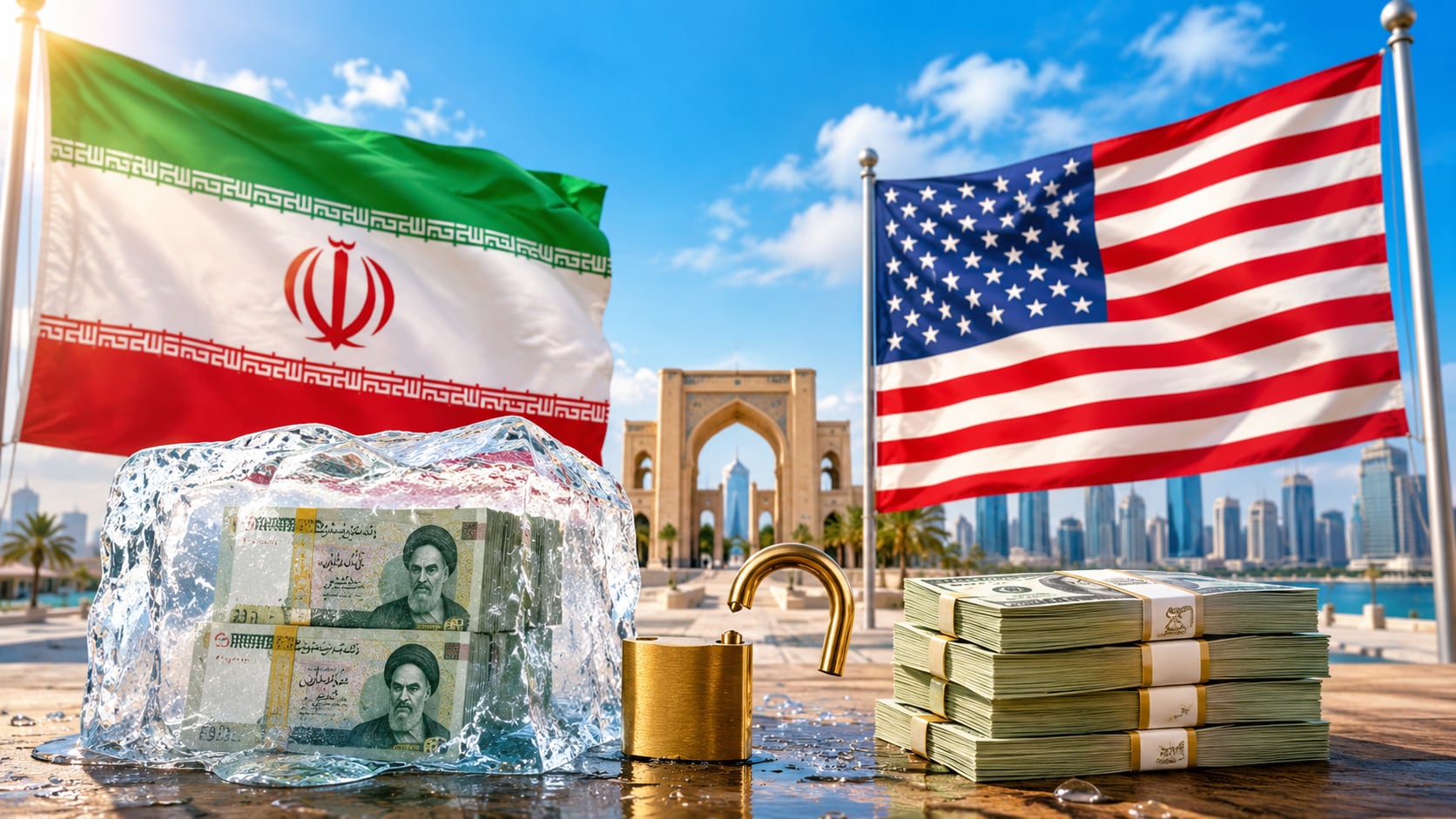
What is Article 11, the ‘$6 billion’ US-Iran MoU clause dictating the drama in Qatar
The fate of Iran’s frozen assets is the ultimate make-or-break issue in the 14-point MoU.

 Prefer HTon Google


The fate of Iran's frozen assets has become one of the biggest tests of the newly signed 14-point Memorandum of Understanding (MoU) between Tehran and Washington. The Iranian government has repeatedly said that implementing Article 11 is essential before it moves ahead with negotiations on a final peace deal with the US. Track the latest on US and Iran here
The issue is back in focus after Iranian foreign ministry spokesperson Esmaeil Baghaei said an expert delegation would travel to Doha, Qatar, this week to follow up on the implementation of the MoU.
US special envoy Steve Witkoff is also headed to Doha after US President Donald Trump said the two sides would meet there, CNN reported. Iran, though, has denied that any direct talks with the US are scheduled.
ALSO READ | What is Article 5 of the US-Iran MoU, how it is behind the latest strikes | Explained
“The fact that US representatives are traveling to Qatar has nothing to do with the Iranian delegation’s visit, which is being conducted to follow up on (the agreement),” Baghaei told reporters Monday.
What does Article 11 say?
Unfreezing Iranian assets is one of Tehran's priorities in the MoU. The US has already granted waivers to allow Iranian oil sales under a different clause (Article 10), Iran's current diplomatic focus is strictly on Article 11, as per AP.
The official text of the MoU reads, “The United States of America undertakes to make fully available for use the frozen or restricted funds and assets of the Islamic Republic of Iran upon the implementation of this MOU. The United States of America and the Islamic Republic of Iran will mutually agree on the procedures related to the release of these funds during negotiations.”
“Such funds, whether retained in the original account or transferred, shall be made fully usable for payment to any ultimate beneficiary designated by the Central Bank of the Islamic Republic of Iran. The United States of America undertakes to issue all necessary licenses and authorizations accordingly.”
Under Article 13 of the MoU, final talks can begin only after several key provisions, including Article 11, have started being implemented.
How much money is involved?
The US has agreed to unfreeze $6 billion of the roughly $12 billion in Iranian funds held in Qatar, Iranian President Masoud Pezeshkian said, as per Al Jazeera.
A US official also said Qatar was expected to release the $6 billion, which would allegedly be used to buy US food products for the Iranian people.
ALSO READ | Mines, tolls and US strike on Iran: Shipping through Strait of Hormuz remains complicated
US eases the sanctions process
The US Treasury's office of Foreign Assets Control (OFAC) has launched a new online Reconsideration Portal for people and entities seeking to be removed from US sanctions lists or have penalties reviewed.
The portal does not automatically lift sanctions, but it is designed to make the review process faster and more transparent.
Renewed US-Iran strikes
This comes after days of tit-for-tat strikes in and around the Strait of Hormuz, one of the world's busiest shipping routes that carries about one-fifth of global oil supplies.
Tensions began after drones hit two commercial ships, the Singapore-flagged Ever Lovely and the Panama-flagged Kiku, while they were passing through the strait. Iran denied being responsible for the attacks, but the US blamed Tehran and struck Iranian missile and drone sites, radar installations and other military targets.
Iran called the US strikes a violation of international law and the MoU. It then fired missiles and drones at US military bases in Bahrain and Kuwait. The exchange of attacks pushed the fragile agreement close to collapse.
Many commercial ships changed course or delayed their journeys, leading to a sharp drop in traffic through the Strait of Hormuz.


