
 E-Paper



Xi Jinping’s Morality Crackdown Has a New Victim: The Global Wine Trade
Reduced demand from China is forcing vineyard owners from Bordeaux to Australia to rip up vines and leave grapes to rot in the fields.


 Prefer HTon Google


In December, Treasury Wine Estates, an Australian wine company that is one of the world’s largest, said it had a problem on its hands: excess wine valued at about $150 million sitting in distributor warehouses in China.
Blame the Chinese Communist Party’s campaign against festive drinking.
A tough economy and leader Xi Jinping’s crackdown on what Beijing deems unbecoming behavior by government officials have caused the bottom to fall out of what was once among the most lucrative wine markets in the world. That is forcing vineyard owners from Bordeaux to Australia to rip up vines and leave grapes to rot in the fields.
Hopes that China’s thirst for foreign reds would return were dashed in May, when, as part of a continuing austerity drive, Beijing explicitly banned the consumption of alcohol at Chinese government and Communist Party events. Chinese officials are so afraid of flouting the rules that one state-owned booze company skipped serving alcohol at a conference last year, according to media reports and a person who attended.
Treasury Wine Estates said in December it would curtail future shipments to China. Pernod Ricard and Diageo, two European drinks companies, are seeing double-digit drops in China sales.
The plunge in Chinese drinking has been devastating for winemakers around the world, who had come to rely on China as consumers elsewhere, including in Europe, drink less.
Last year, Chinese wine imports fell a further 11%, defying hopes for a gradual recovery. They are now at half the peak levels of 2018, when China bought foreign wine valued at nearly $3 billion.
“We’ve seen the [China] market really dry up completely,” said Tim McMullen, owner of Borambola Wines, a winery and export operation in Australia’s New South Wales state.
As recently as 2019, Borambola earned 40% of its profits in China, but over the past year the company hasn’t recorded a single sale there, McMullen said. Reduced demand from China is contributing to a glut of wine for Borambola at home. As a result, McMullen says he’s leaving 30% of his fruit to rot on the vine this season. McMullen is trying to cut down on costs by hiring fewer workers, which means he personally performs more intense physical labor such as cleaning grape storage bins in 100-degree heat.
“It was a really good market to have, but it’s all changed,” McMullen said.
Starting in the mid-2000s, China became the unlikely motor of the wine world, growing its share of global imports from less than 1% to 8% by 2017.
Growers in Chile, Australia, California and France cashed in. Basketball legend Yao Ming began bottling wine in California’s Napa Valley. Rich Chinese buyers bought up around 100 estates in Bordeaux, sometimes causing a culture clash by rebranding them with names such as Imperial Rabbit or Tibetan Antelope—or Antilope Tibétaine in French—to appeal to the Chinese market.
“I’m not particularly curious to understand the life of these animals, having never met during my childhood in Bordeaux even one imperial rabbit or Tibetan Antelope,” wrote French novelist Philippe Sollers in an open letter to the Bordeaux mayor in 2019, calling the name changes “appalling.”
That year, a quarter of wine exports from Bordeaux went to China and the country was the region’s top international market. Publications called the surge in Chinese wine consumption a second “Red Revolution.”
But more recently, sales have nosedived. Reduced drinking during Covid-19 took a chunk out of the Chinese wine market. At the same time, an epic collapse in property prices in China has left many there feeling poorer and less inclined to consume luxuries such as foreign-made alcohol. Wealthy Chinese owners began unloading their Bordeaux estates. By 2022, a French group acquired Château Antilope Tibétaine. It was restored to its previous name, Château Sénilhac.
China’s drinking downturn deepened last year, when the country’s antigraft watchdog went after officials accused of mixing drinking with state business. In one highly publicized case, nine officials were disciplined when a county official in Henan province died after drinking alcohol at a midday banquet.
“The extravagant gifting and banqueting and entertaining that fueled one big sector of imported wine has evaporated,” said Ian Ford, founding partner of Nimbility, an Asia-based beverage consulting firm.
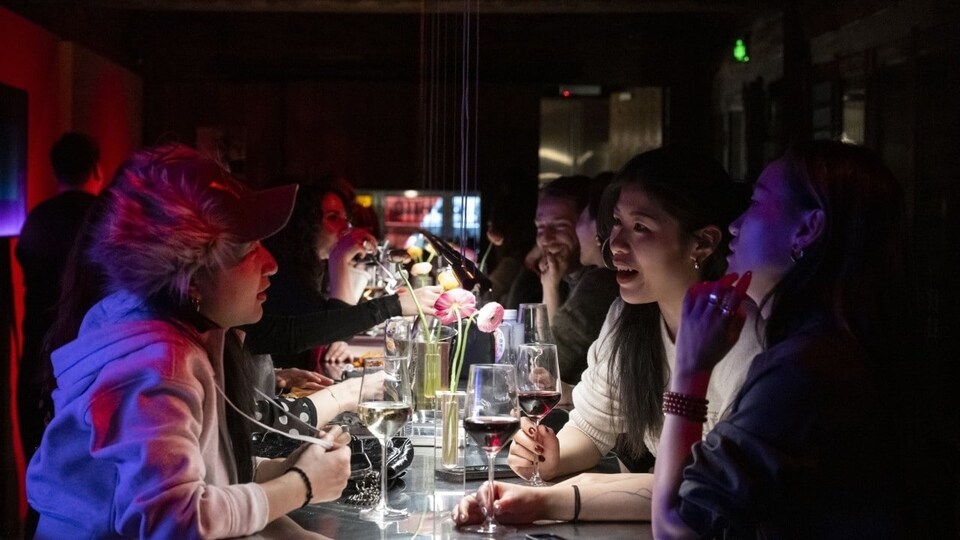
Many younger Chinese associate red wine with business deals and official banquets, hurting its cool factor.
“I sometimes need to attend work-related social gatherings where I’ll have a little red wine,” said Wang Nan, a 26-year-old in Shanghai who works in e-commerce. “However, I try to drink as little as possible because it leaves a stain on my lips and doesn’t taste very good.” If she’s hosting an event, she doesn’t serve red wine.
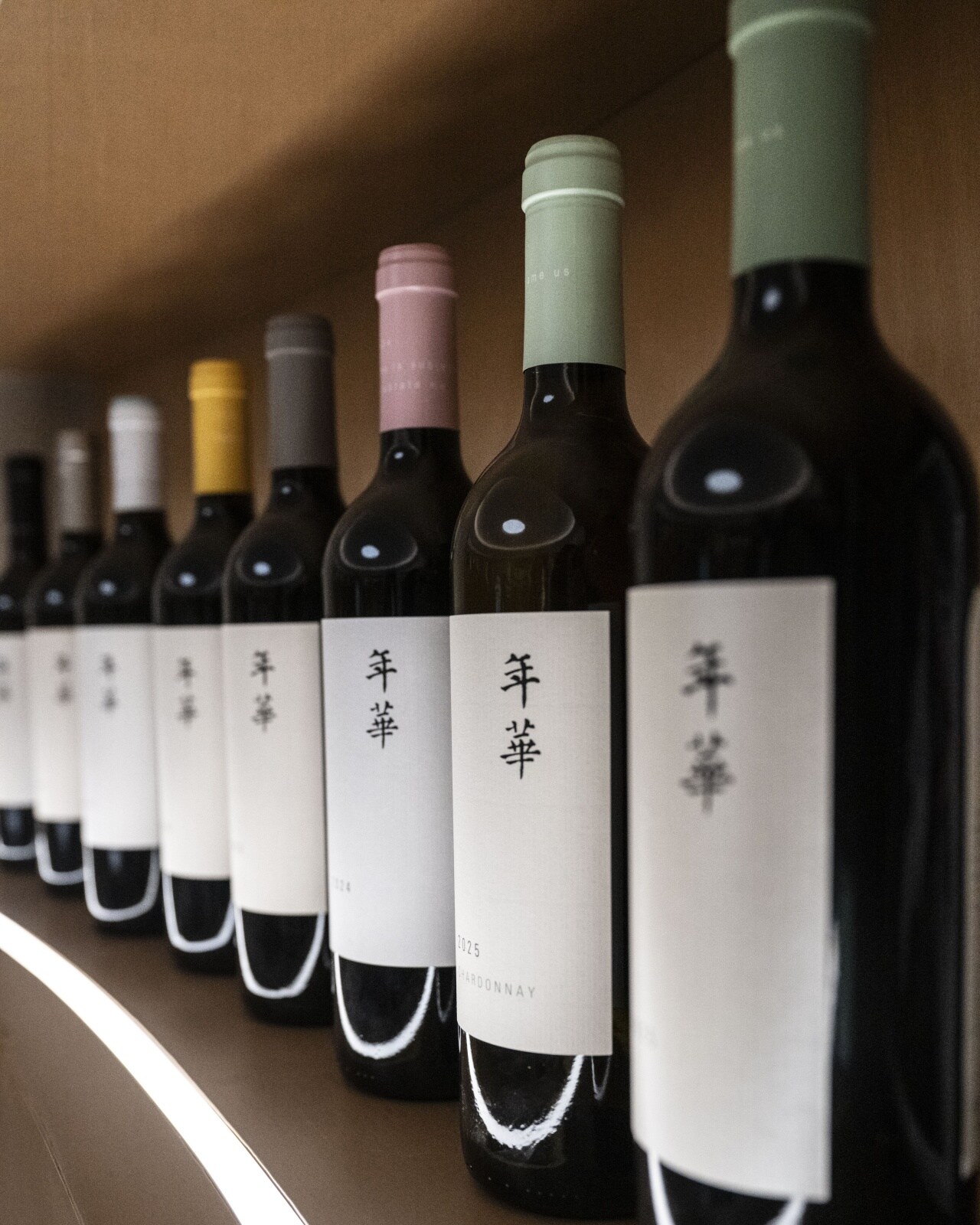
“Wine has lost that halo,” said Judy Chan, who heads Grace Vineyards, a family-run Chinese winery that was unprofitable last year as its business dropped off. “It’s not really trendy to order.” In December, Chan sold a majority stake in her winery to the founder of a Chinese retail giant, which she hopes will broaden her customer base and lift sales.
Plummeting Chinese imports are pushing some wine regions to the brink.
In November, Riverland Wine, a regional wine association in southern Australia, wrote an “Urgent Open Letter” to the state government saying that the price of Shiraz grapes in the region had dropped by more than two-thirds since major problems with the China market began in 2020. It expects prices this year will be even worse. “Right now the Riverland…is breaking,” the letter said.
Among the worst affected regions is Bordeaux. Last year, Bordeaux’s exports to China decreased 28% in volume terms and are now less than a quarter of the volume in 2017, when China was the region’s top export destination. Other countries are also buying less.
“From a social point of view [it is] terribly distressing,” said Allan Sichel, a leading Bordeaux wine producer, saying growers have been forced to uproot vines. Since 2023 the Bordeaux region has given up roughly 20% of its wine-growing area.
In early 2025, Treasury Wine Estates, like other Australian exporters, had high hopes for a return of the Chinese market.
During the 2010s, the company’s Penfolds brand had developed into one of China’s most iconic wines. Its local name “Ben Fu” translated as “Rushing Toward Prosperity,” capturing the zeitgeist of China’s go-go years. But in 2020, China slapped heavy tariffs on Australian wine and other products as part of a broader geopolitical dispute. As a result, Penfolds took a big hit in the Chinese market.

In 2024, China removed the tariffs and Penfolds tried to make up for lost time, shipping large quantities of red wine to the country. At first things went well. Then came the regulations in May banning alcohol at government events, which the company said was affecting “everyone in the market.” In October, Treasury pulled its annual guidance, saying purchases of Penfolds in China were falling “well below expectations.”
Chief Executive Sam Fischer said Penfolds is well-placed to “navigate short-term market dynamics.” He said the company’s China distributors have recently had more success selling Penfolds.
In February, the company said it had begun reducing Penfolds inventory in China by around 400,000 cases over the next two years.
“The pie gets smaller and more people are fighting for the pie,” said Judy Chan, the wine producer. “And that’s kind of the general feeling.”
Zhao Yueling contributed to this article.
Write to Jon Emont at jonathan.emont@wsj.com


