
 E-Paper



Inca trails, French cave and an Indian stepwell vie for World Heritage status
Inca trails spanning six countries and a French cave with some of the earliest known paintings are among the sites expected to get World Heritage status at a UNESCO meeting that started on Sunday in Doha.


Inca trails spanning six countries and a French cave with some of the earliest known paintings are among the sites expected to get World Heritage status at a UNESCO meeting that started on Sunday in Doha.

Altogether, at least 30 natural and cultural sites, including the Erbil Citadel in Iraq's Kurdistan, are vying to get the United Nations cultural body's prestigious distinction and add their names to an already 981-strong list.
The June 15-25 World Heritage Committee gathering will also mull whether to put London's Westminster Palace on its list of endangered sites.
And in a first for a developed country, Australia is asking that large swathes of its Tasmanian Wilderness - one of the last expanses of temperate rainforest in the world - be delisted to make way for loggers.
Inclusion on the list has significant economic implications as a World Heritage site is eligible for financial assistance towards preservation and the coveted status is also a powerful draw for tourists.
The listing of the Qhapaq Nan - a huge network of roads once used by the mighty Inca Empire that snake over perilously high snowy peaks over more than 30,000 kilometres (18,600 miles) - would benefit not one but six countries overall.
The trails go through Argentina, Bolivia, Chile, Colombia, Ecuador and Peru - the last of which added the routes to its tentative list in 2001, and was later followed by the others.
Age-old cave paintings
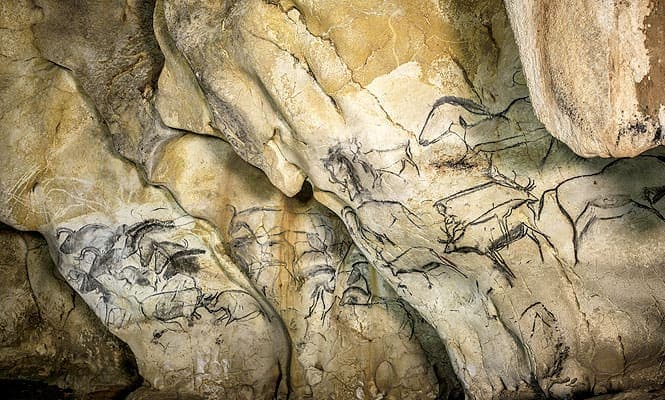
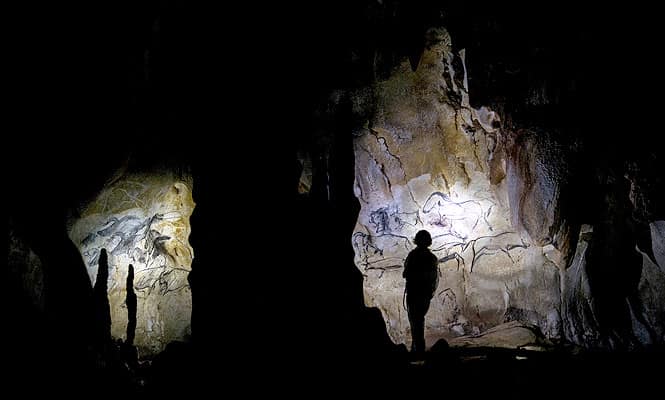
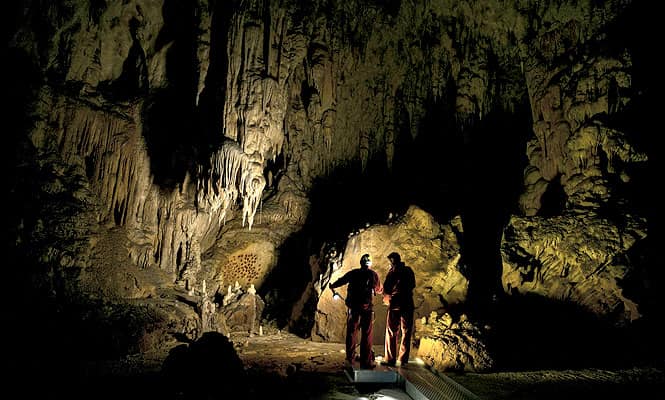
Submitted by France, the Chauvet Cave, located in a limestone plateau of the meandering Ardeche River in southern France, contains some of the earliest known paintings, drawn more than 30,000 years ago.
The grotto has more than 1,000 pictures - many of which feature animals such as bison, mammoths and rhinos.
The cave was closed off by a rock fall around 20,000 years ago and remained sealed until its rediscovery in 1994. More drawings are expected to be found in remote parts of the grotto.
India, meanwhile, is hoping to have its Rani-ki-Vav stepwell on the banks of the Saraswati River in western Patan listed.
"Designed as an inverted temple highlighting the sanctity of water," it is divided into seven underground storeys of terraced walls with pavilions and buttresses, according to its official nomination document.
The committee, which consists of representatives from 21 countries elected for six years, will also use the Doha meeting to issue warnings.
It has, for instance, raised concern that there are too few restrictions governing the development of skyscrapers in London, which it says could affect Westminster Palace, a World Heritage site.
The committee warned that "there do not seem to be defined settings or overall agreed constraints in place to ensure that new tall buildings do not impact on important views and other attributes of the property".
Australia delisting
Australia will also be under scrutiny, with two of its most high-profile protected areas facing threats to their status as World Heritage sites.
The Great Barrier Reef, one of the most biodiverse places on the planet, is considered in poor health and UNESCO is mulling whether to downgrade its status to "World Heritage in Danger" at the Doha meeting.
It is under growing pressure not just from climate change and the destructive coral-eating crown-of-thorns starfish, but agricultural runoff and rampant coastal development linked to mining.
Another of Australia's natural wonders under threat is the Tasmanian Wilderness, which covers nearly 20 percent, or 1.4 million hectares, of the southern island state.
Prime Minister Tony Abbott, who favours more access for loggers, has requested UNESCO remove its World Heritage status from 74,000 hectares (183,000 acres) of the area, claiming it was not pristine - but this could be rejected at the meeting.
The nominated sites have already been examined by two consultative bodies that transmit their positive or negative recommendations to the committee, although these are not always followed.
Some of the committee's choices can sometimes take on political implications.
In 2012, for instance, it listed the Church of the Nativity in Bethlehem in the Palestinian territories - worshipped as the birthplace of Jesus - in a move dismissed by Israel as politically motivated.


