
 E-Paper



London cabbie bombmaker 'murdered US soldier in Iraq'
A London taxi driver who made bombs targeting coalition troops in the Iraq war was on Thursday convicted in a British court of murdering a US soldier eight years ago.


A London taxi driver who made bombs targeting coalition troops in the Iraq war was on Thursday convicted in a British court of murdering a US soldier eight years ago.
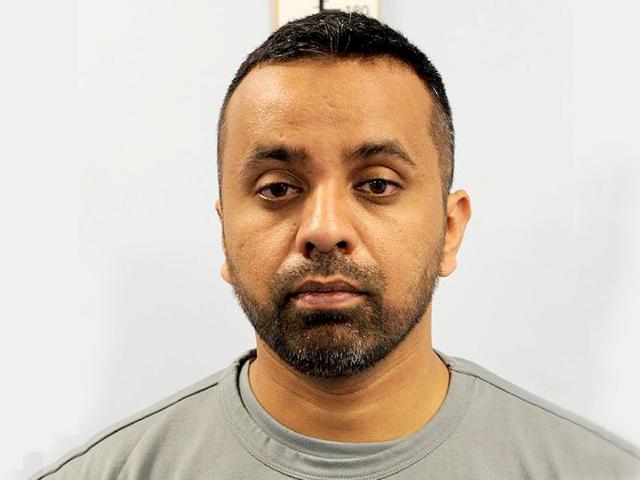
Anis Sardar, 38, built an improvised explosive device (IED) which killed Sergeant First Class Randy Johnson of 2nd Stryker Cavalry Regiment when it exploded under his armoured vehicle outside Baghdad on September 27, 2007.
Sardar was arrested in London in September 2014 after the US Federal Bureau of Investigation found his fingerprints on two bombs which were planted in the area at the time, although not the one which killed Johnson.
Sue Hemming, head of special crime and counter terrorism at Britain's Crown Prosecution Service, called it a "landmark" prosecution which showed that "international borders are no barrier to terrorists in the UK being brought to justice".
"Anis Sardar is a highly dangerous man who created bombs so large that not only did they tragically kill Sgt Randy Johnson, but they put other lives in danger and caused significant damage to heavily armoured US military vehicles," she added.
"He knew precisely what he was doing and was working with murderous intent against coalition forces."
Although his fingerprints were not on the bomb that killed Johnson, they were found on a range of other, similar devices planted in the surrounding area, along with those of Sajjad Adnan, whose prints were on the fatal device.
Adnan was previously in custody in Iraq but his current location is unknown.
Inquiries by British police subsequently revealed that Sardar had spent a decade in Syria, returning to Britain less than two months after Johnson died.
He claimed he was in Syria simply to learn Arabic, but detectives believe he met up with Adnan and other bombmakers to conspire and make and deploy IEDs in Iraq.
He was later found to have files on his computer containing instructions on how to make bombs.
Sardar is due to be sentenced at Woolwich Crown Court in London on Friday.


