
 E-Paper



How SM Krishna slipped up at UNSC
Krishna began by recognising the UNSG. We had not included him in the salutations. He appreciated the presence of two Portuguese-speaking nations. It was not in our prepared text. His third sentence was about Timor-Leste. The penny dropped

 Prefer HTon Google


The famous horseshoe table at the United Nations Security Council (UNSC) has just one seat for each member of the Council and only four other seats in two back rows for the accompanying delegation. Representatives of other countries witness the proceedings from a seating enclosure at a slight distance.
The usual practice at the UN is for delegates, even if they are senior dignitaries, to read from prepared texts with copies of their statements, provided in advance, distributed by UN staff to the assembled delegates. At the UNSC, the rule was to distribute copies to everyone in the seating enclosure but only to the main delegates at the horseshoe table and not to the four seated behind.
The presidency of the UNSC rotates alphabetically every month. In 2011, when India joined the UNSC, Brazil, which was already on the council, assumed the presidency in February and organised a high-level debate on the interdependence between security and development. Given our partnership with Brazil across global forums, including India, Brazil, South Africa (IBSA), Brazil, Russia, India, China, South Africa (BRICS), G4, and the fact that we were coming on to the UNSC after a gap of 19 years, it was natural that external affairs minister, SM Krishna, led the Indian delegation at this high-level debate.
The four back seats were occupied by our Permanent Representative, the additional secretary dealing with the UN in the ministry of external affairs (MEA), the minister’s adviser (a political appointee) and the Security Council political coordinator in India’s Permanent Mission to the UN. This writer, who was Deputy Permanent Representative, the MEA joint secretary dealing with the UN and the minister’s private secretary were outside the UNSC chamber, in a lobby area equipped with TV screens to enable witnessing of the UNSC proceedings.
The Brazilian foreign minister opened the debate and was followed by the UN Secretary-General, who felt it expedient to attend that meeting of the UNSC. They were followed by the foreign minister of Portugal, which was elected to the UNSC at the same time as India. In a most unusual act, the foreign minister declared his prepared (and distributed) text as having been read and proceeded to make impromptu remarks. Thus, the content of his formal statement was unknown to us outside or to our four delegates in the back rows of the horseshoe table.
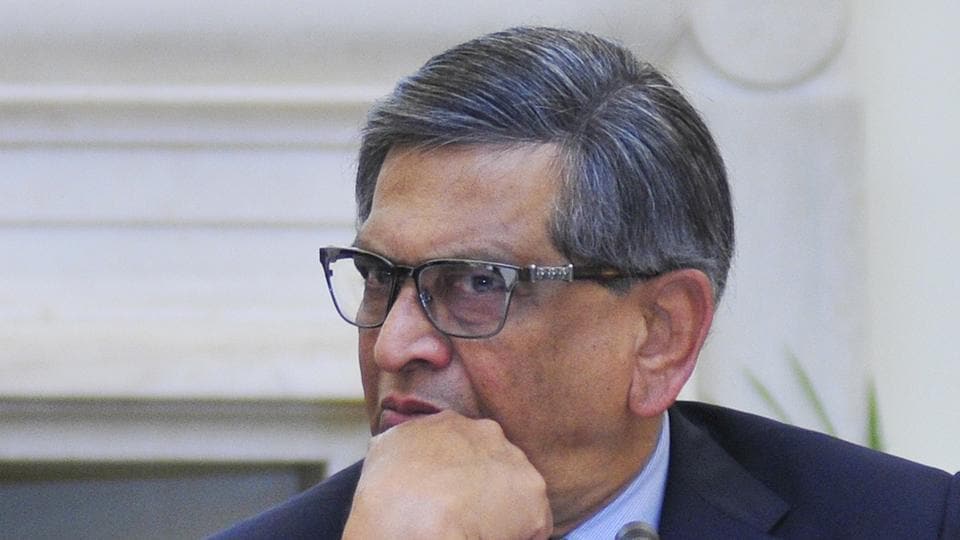
And then, Krishna was called upon to deliver his statement. He began by recognising the UN Secretary General. I was surprised but happy as we had not included the UNSG in the typed salutations. Krishna then appreciated the presence of two Portuguese-speaking nations on the Council. This astonished me as again it was not in our prepared text but one thought that he had heard this from the Brazilian and Portuguese foreign ministers and though it diplomatically apt to mention this. His third sentence was about Timor-Leste.
The penny dropped. There was something badly amiss. I ran into the UNSC chamber to our Permanent Representative, who stood up, saw the minister holding the Portuguese text while his own speech folder lay unopened and stopped him from proceeding further. The minister was, however, caught on the UN TV camera asking whether he should start his speech again from the salutations! The rest, as they say, is history — the Portuguese speech was front page news in India the next day.
India will re-enter the UNSC in January 2021. But the Indian delegation need not worry about reading another’s speech as our political coordinator, who now heads the UN vertical in MEA, forced a rule change — copies of statements are now also distributed to the four in the back row.


