
 E-Paper



Unlike Sri Lanka, the war against malaria is far from over in India
India needs to heavily borrow from Sri Lanka’s public health policy that provide universal health coverage to all. And, like Sri Lanka, not lose focus on goals when programmes are on track


Sri Lanka was certified malaria-free by the World Health Organisation at its 69th Regional Committee session in Colombo, making it the second country in the region, after Maldives, to be free of the parasitic infection spread by the anopheles mosquito. The last locally-transmitted case of malaria in Sri Lanka was in October 2012, shows data from the Sri Lankan Anti-Malarial Campaign (AMC), which launched an intensive campaign that brought down malaria from 264,549 cases in 1999 to zero in November 2012.
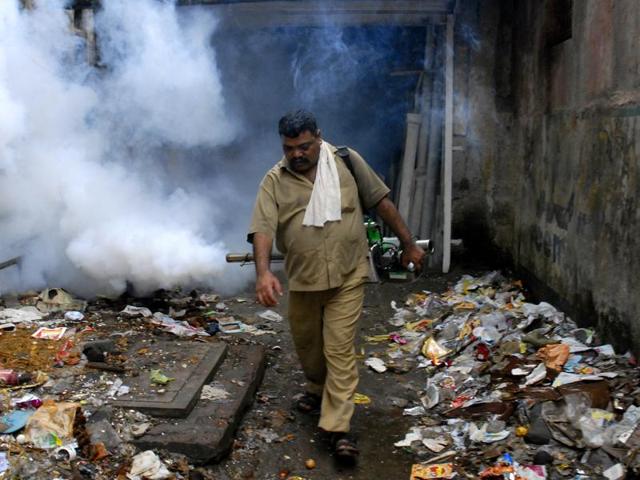
Malaria has been rampant in tropical countries in Asia and Africa for centuries. Its symptoms, including fever, headache, chills and vomiting, appear between 10 and 15 days after the mosquito bite. Without prompt treatment, it can also lead to death.
Read | Sri Lanka certified malaria free: How country won war against the disease
Despite free and rapid diagnostic tests and anti-malarial drugs being provided to all states in India, more than 47,000 malaria cases and 119 deaths have been recorded till July 1 this year. In 2015, malaria infected more than 112,000 and killed 287.
Sri Lanka has fought a long and hard battle against malaria. After a devastating epidemic in 1935, when malaria infected 1.5 million and killed 80,000 in the country, intensive malaria-control measures started in the 40s and 50s brought down cases to 17 in 1963. This, however, led to the government shifting funds and focus to other public health emergencies, which led to a sharp malaria resurgence to over half a million cases in 1969.
Sri Lanka used conventional malaria control measures and some more. Apart from indoor residual spraying and larvae control, regular surveys of mosquitoes and larvae in endemic areas was done to monitor insecticide resistance. Case detection was increased through blood film testing (parasitological surveillance) to stop the spread of the parasite.
Read | Mutating parasite may foil India’s plans to be malaria free by 2030
Real-time web-based surveillance was used to test all fever cases of malaria and each case was notified with the AMC. People with a travel history to countries with malaria transmission were closely tracked for symptoms. To ensure not a single case was missed, anti-malarial medicines were only available with the AMC, which forced the private sector to register all cases. Once malaria cases fell sharply, it was no longer profitable for the private sector to stock anti-malarial medicines.
A major shift was the change from vector-control (mosquito control) to parasite control strategies to contain the infection. From 1999 onwards, cases have steadily declined, and by 2008, less than 1,000 cases were being reported per year.
The war is far from over as the threat of re-infection from travellers to and from Asia and Africa is still very real. Sri Lanka has now installed surveillance systems, made multi-sector engagements, rapid follow-up and treatment a critical part of the programme. The target is to stop the spread of isolated infections.
Read | India aims for total malaria elimination after dip in deaths
The WHO’s Global Technical Strategy for Malaria, adopted by the World Health Assembly in 2015, sets the target of reducing global malaria cases and deaths by at least 90% by 2030. For India to meet this target, it needs to heavily borrow from Sri Lanka’s public health policy that provide universal health coverage to all. And, like Sri Lanka, not lose focus on goals when programmes are on track.


