
 E-Paper



What is it like to be an Indian Muslim?
Ghettoization falsely implies a sense of voluntarily choosing to be huddled together. This, as any number of stories of Hindus rejecting Muslim neighbours and tenants will prove to us, is a lie.


Last week I met someone—a former Infosys grandee—who knew me only through my writing. As we were chatting, he asked me a question along the lines of: Are you a Bohra or Suleimani? I was neither, I said to him, and added that I was a Hindu from a family of Krishna-worshipping Vaishnavites. He wondered why it was that I was thought to be Muslim by some (particularly, I think, on social media). My speculation was that it was because I was given names like “Aakar Ahmed Patel”. These were given because of some of the things I wrote. In India, one is parochial in intellect and it is assumed that one who writes in defence of Muslims must necessarily be Muslim.
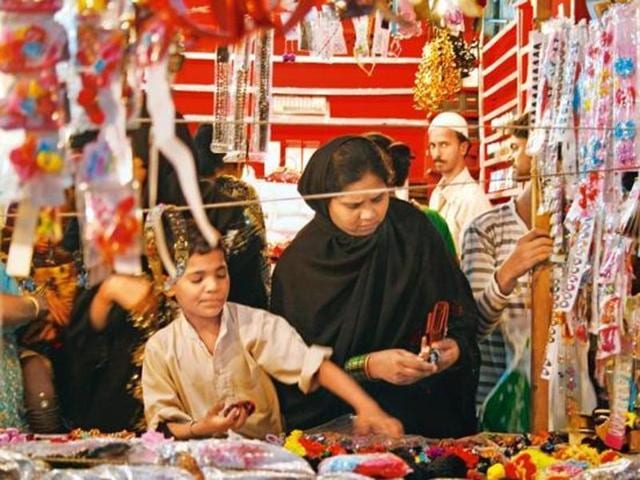
I have always found the name-calling to be amusing and often clever. But this conversation led me to think of what it was actually like to be Muslim in India. That is what this piece is about.
What is it like to live under segregation? I prefer that word to “ghettoization” because overuse has desensitized us to this second word. We no longer pause when we see “ghettoization” and reflect on what it means. It means a community that we have shunned and rejected as being unequal and unfit to reside with us.
Ghettoization falsely implies a sense of voluntarily choosing to be huddled together. This, as any number of stories of Hindus rejecting Muslim neighbours and tenants will prove to us, is a lie.


