
 E-Paper



Raghubar Das: First non-tribal chief minister of state eyeing second term
CM Raghubar Das, heading a coalition of the BJP and AJSUP, holds the distinction of being the first non-tribal to have held the coveted post in Jharkhand, where tribals make the single-biggest chunk of voters.

 Prefer HTon Google


As Chief Minister Raghubar Das struggles to return to power in the Jharkhand assembly election, he has wrapped up his first stint with the distinction of being the first government in the state to have completed its full five year term.
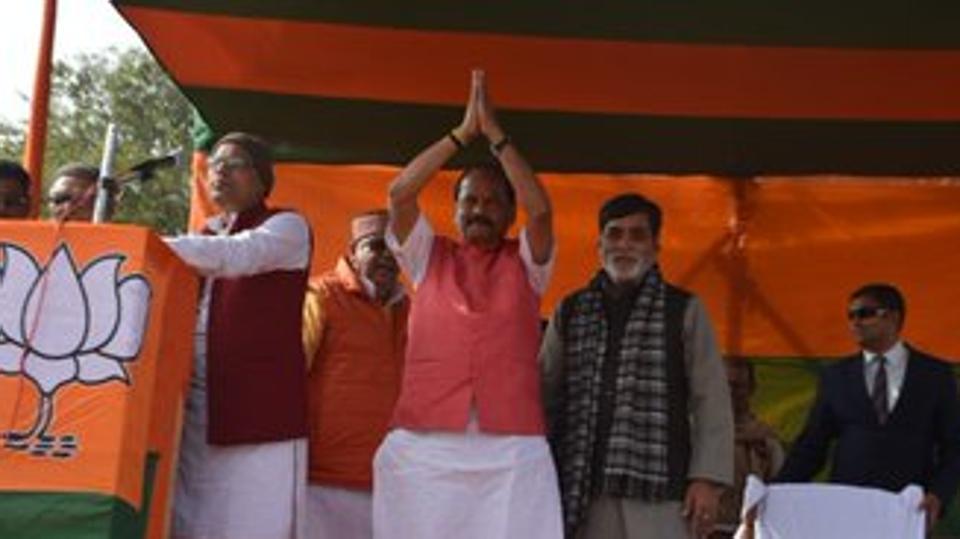
Most exit polls have predicted a hung assembly with advantage to the opposition alliance led by the Jharkhand Mukti Morcha. However, if the actual result goes in favour of the BJP, Raghubar Das would once again be the front runner to lead the next government.
Follow Jharkhand election results live updates here.
However, Das himself is facing a tough contest from his pocket borough Jamsedhpur East by BJP rebel Saryu Roy, a minister in the outgoing Raghubar cabinet.
Reacting to the exit polls, Das said the BJP contested the polls unitedly and was confident of forming the next government. “You will find me smiling on December 23, just wait,” he added.
Das for the first time won Jamsedhur East assembly in 1995 and became a member of the assembly in united Bihar. He has won the seat four consecutive terms ever since and is in the running from the prestigious seat again.
Before becoming chief minister of the state in 2014, Das served as minister in Babulal Marandi and Arjun Munda cabinets. In 2009, when JMM chief Shibu Soren became chief minister with BJP’s support, Das was appointed deputy chief minister. However, the tenure lasted just over five months.
Being an organization man, with strong connection in BJP’s ideological fountainhead RSS, Das has in past served as president of Jharkhand BJP twice. The party had contested the 2009 assembly and Lok Sabha election in the state in 2009 in his leadership.
Going strength to strength, Das’ path to becoming chief minister in 2014 became easier as former CM Arjun Munda himself lost his seat in the assembly election.
As part of the strategy of the BJP led by Narendra Modi and Amit Shah to appoint chief ministers from the non-dominant caste groups in states, as in Maharashtra and Haryana, Das was appointed first non-tribal chief minister in Jharkhand.
Experts, however, say the dynamics could change if the BJP falls short of majority.
“If the BJP manages to get majority, he will be an obvious claimant to the CM post. But if the BJP fails to get majority on its own, the BJP central leadership could do a rethink in order to quell the backlash from the tribals and take corrective measures. Demand of parties willing to do business with BJP would also be a determinant in choosing the next CM,” said LK Kundan, associate professor of political science, Ranchi University.


