E-Paper



Changing rainfall pattern damaging agriculture in MP
Climate change is altering rainfall pattern in Madhya Pradesh, adversely affecting agriculture.


Climate change is altering rainfall pattern in Madhya Pradesh, adversely affecting agriculture.
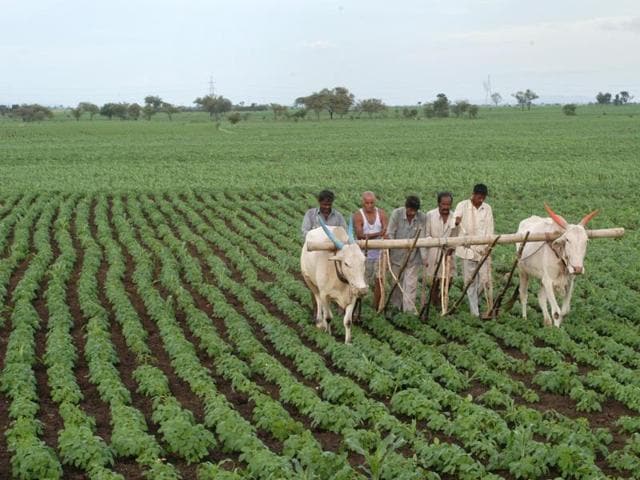
Deficit rainfall almost every year since 2002
Data from the agriculture department show that the state has had deficit rainfall almost every year since 2002 — 2013-14 was only year when above average rainfall was recorded.
“There is a definite trend of increase in events like drought, heavy rain, hailstorms, etc,” said Bhopal meteorological centre director Anupam Kashyapi. “Everybody knows drought directly affects agriculture, but heavy rainfall apart from damaging crop also affects agriculture. Heavy rainfall leads to more surface runoff, which allows less seepage. This means less ground water and water storage in a particular area.”
Average rainfall in the state is 1,132 millimetres per year — northern areas receive 800 mm while eastern MP receives an average of 1,600 mm. South-western monsoon between September and June brings the most rain.
Drought and extreme weather conditions are impact of climate change
A recently released agriculture economic survey found that climate change affected the north eastern, south eastern and south western areas of the state more compared to the other parts. Drought and extreme weather conditions such as hailstorm were cited as proof.
A majority of the rural population, 52.5 million people of the total 72.6 million in the state, depends on agriculture and cattle for their livelihood. But about 72% of the cultivated area is at the mercy of rain and highly susceptible, the study on the risks and vulnerabilities to climate change found.
The survey, which was taken up in 2014 under a collaboration with the Ministry of Environment and Forests and Deutsche Gesellschaft für Internationale Zusammenarbeit, showed that districts in the north, east, south-east and south-west were most vulnerable.
“Climate change is inevitable, but a proper study to quantify its impact in MP should be carried out,” Kashyapi said.
It is a challenge to minimize the impact of climate change: PS
Dr Rajesh Rajoura, principal secretary, agriculture, said events such as dry spells, heavy rainfall and fewer rainy days have increased in the state. “It is a challenge before us to minimize the impact of climate change on the lives of farmers, many of whom take extreme steps like suicide. To meet this challenge, we are encouraging research on drought resistance seed varieties and developing short duration crops,” he said.