E-Paper



WhatsApp, social media use curbed to control farmer protest in MP district
Farmers of the district, one of the main sugarcane-producing regions in central India, have been agitating for better produce prices over the last few days.

 Prefer HTon Google


Wary of farmers taking to social media platforms and messaging application WhatsApp to consolidate a Mandsaur-like agitation, the Narsinghpur district administration has banned residents from posting or forwarding provocative messages and photographs on virtual spaces until early next year.
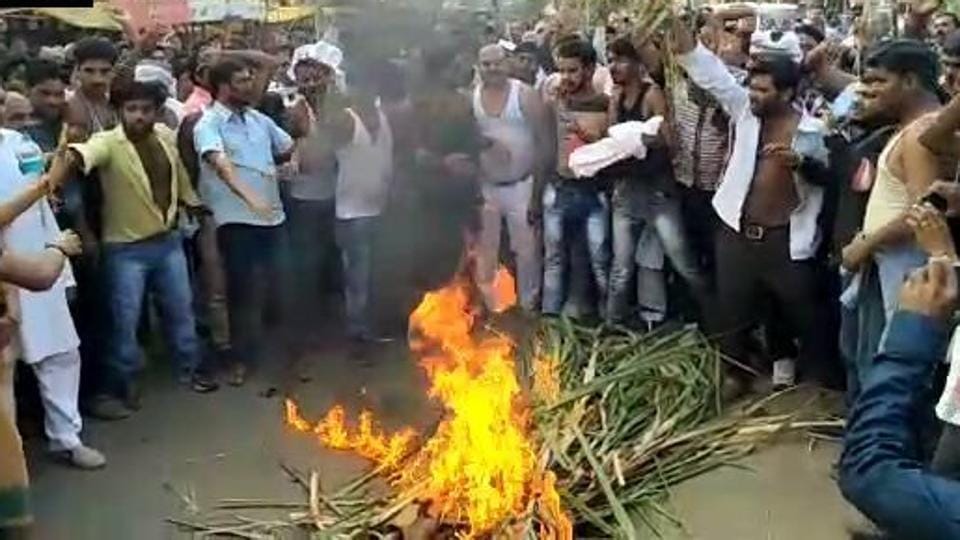
Farmers of the district, one of the main sugarcane-producing regions in central India, have been agitating for better produce prices over the last few days. On Saturday, enraged protesters collected blood samples and then proceeded to write their demands in blood on the district collectorate’s walls.
Madhya Pradesh had witnessed one of its worst farmer agitations at Mandsaur in June. Young farmers used social media platforms and WhatsApp to coordinate protests and issue updates, forcing the administration to temporarily cut off Internet connectivity in the area.
The order issued by Narsinghpur additional district magistrate J Sameer Lakra under Section 144 of the Code of Criminal Procedure-1973 bans residents from posting or forwarding provocative/objectionable messages through social media platforms. It also prohibits protest rallies as well as publishing, printing or painting of provocative words on cutouts, banners, posters, hoardings and flags across the district. The order will remain in force until January 11 next year, and strict action will be taken against violators.
Salil Dhagat, district agriculture officer of Narsinghpur, told HT over the phone that sugarcane farmers were demanding a significantly higher price for their produce. “At present, farmers get Rs 270 per quintal of sugarcane from traders and sugar mill owners. They, however, want Rs 350 to Rs 400 for the same amount,” he said. “The price fixed by the government is Rs 255 per quintal.”
Sugarcane, sown between October and November, is a one-year duration crop. Narsinghpur accounts for over 50% of the crop’s total cultivation in Madhya Pradesh. Sugarcane is grown in over 20-22% (55,000 hectares) of the district’s total land under cultivation of three lakh hectares.