
 E-Paper



Barun Chanda’s wonderful memories of Satyajit Ray
A book by the protagonist of Satyajit Ray’s Seemabaddha (1971) offers readers great insights into the auteur’s work

 Prefer HTon Google


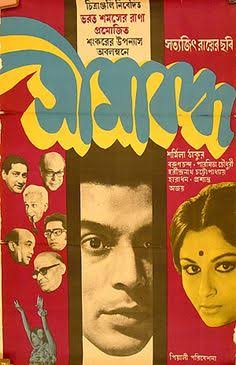
Seemabaddha (Company Ltd) is the only Ray film I’ve watched just once. Reading this nostalgic and emotional book by Barun Chanda, the man who played the lead role in the film, made me understand why it did not appeal to me. I watched it soon after I had read the original novel by Sankar in a Pooja Annual. Sankar, barring a few solid classics, was not on my checklist of favourite authors but I really, really liked this novel and somehow, Ray’s celluloid version seemed flat and one-dimensional compared to it. This was so especially with the liberties the director took with the character played by Sharmila Tagore. I am a strong crusader for not comparing a film with its original work in literature but this time, I was disappointed.
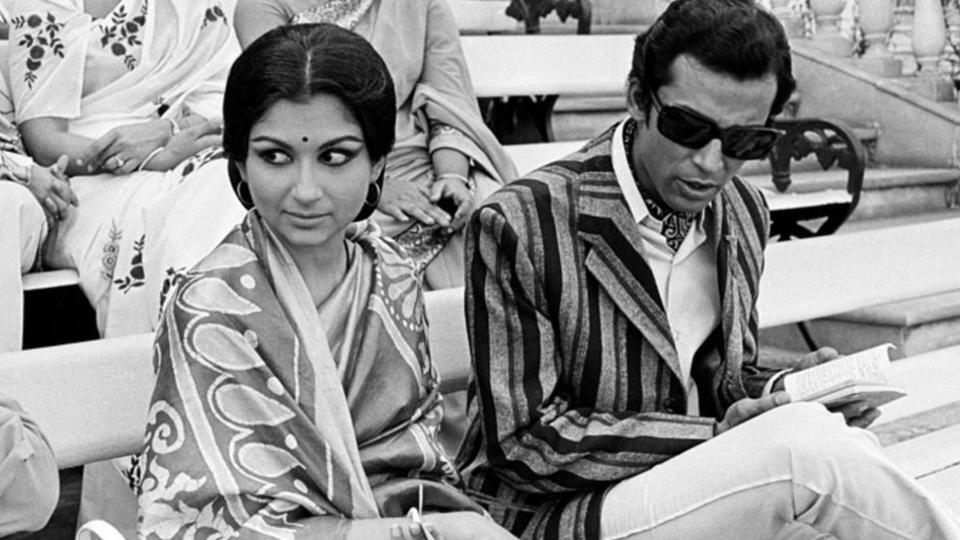
But Chanda’s book, Satyajit Ray – The Man Who Knew Too Much is very impressive. The cover blurb by Shyam Benegal pronounces, “If you have read this, you don’t need to read any other book on Ray.” The truth of the statement becomes slowly apparent as you read the book, which offers readers a deep insight into the author himself, his subject Satyajit Ray, and the finer nuances of detailing each setting, each object, each character, each dialogue and each piece of music that Ray created and experimented with through the making of every one of his films.
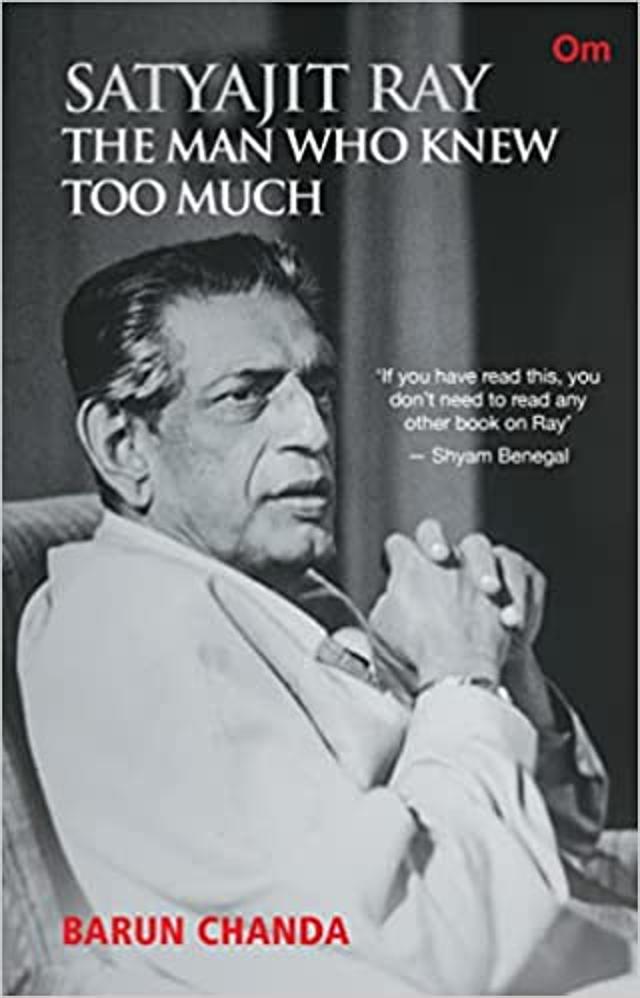
Chanda, who was carefully chosen by Ray to play the main role of Shyamalendu Chatterjee, an ambitious young man eager to climb up the corporate ladder as smoothly as he possibly can, says it was precisely because he was already a corporate guy who could carry himself with great conviction that Ray chose him. He was also somewhat skilled in working with ad films and it was easy for him to slip into the shoes of the fictitious Chatterjee in the film.
Chanda breaks his 326-page book into two parts: Ray on my Mind comprises 13 chapters followed by The Man Who Knew Too Much comprising 18 chapters. The long appendix, which includes reviews of the film by noted critics and names in cinema, seems superfluous as the author’s perspective comes across as so convincing, fluid and smooth.
Chanda reveals that the second part is titled after a favourite Hitchcock film to focus on the multilayered talents of Ray as an artist, a composer, a graphic designer of the titles of his own films, a screenplay writer, director, a writer and a man so talented that he could speak out any dialogue of any character of any film of his without referring to a written script. In other words, he had a phenomenal memory. And he never ever lost his temper.
In his Author’s Note, Chanda requests readers to watch Seemabaddha again even “if you have seen it before”. “And if you haven’t, I’ll urge you to watch it at least once, for then, the joy of reading the first part will be increased manifold.” I followed the suggestion and watched the film again on my computer which brought back small nuggets I had all but forgotten. I revelled in the parts I had enjoyed the first time and found I still did not like the parts I hadn’t liked.
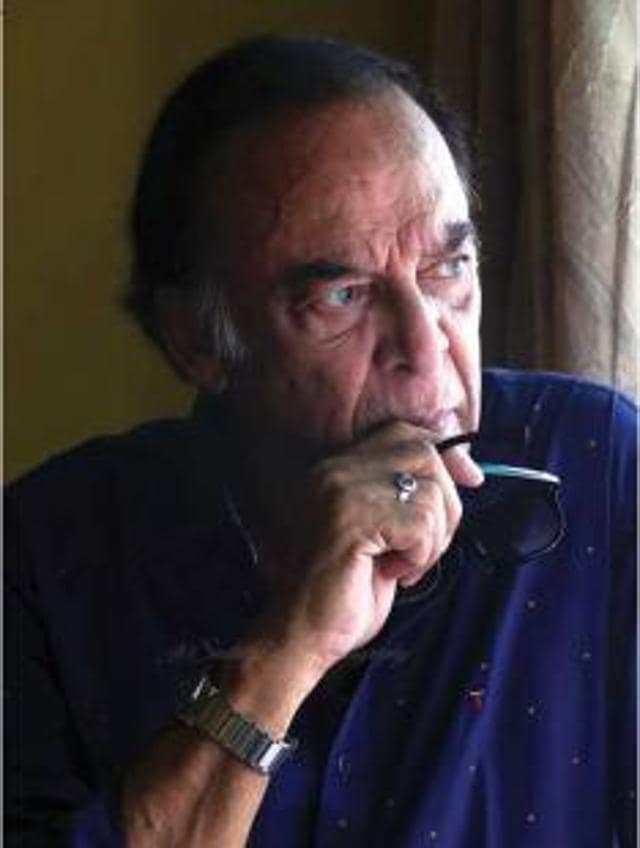
For about 20 years, Barun Chanda disappeared from cinema as magically as he had appeared in Seemabaddha. Then, in middle-age, he returned to films, quit his well-paying job in the advertising world in 2000, and also became a full time writer.
The first part of the book reads almost like an autobiography of Barun Chanda from the time he was subconsciously preparing himself for a career in films to how his life metamorphosed once he met Ray. He won a special prize for his acting in this very first film. The only problem with this section is that the author tends to repeat himself while underlining Ray’s many talents. We are told that Ray did not give Chanda and many of his actors a script because he relied on spontaneity and organic reaction. He believed memorising dialogue would destroy that.
The second part turns out to be a more interesting read as it dwells on other unexplored sides of Ray. Each of the chapters focusses on a single talent. I especially liked Chanda’s analysis of other actors in Ray’s films like Karuna Banerjee and Kamakhya Prasad Mukherjee, among others.
Chanda’s language is beautiful. There are a few errors though: he states that Tarasankar Roy is the author of Kabi (The Poet) instead of Tarasankar Bandopadhyay. And then, there’s the factual error about Ray graduating with economics honours from Presidency College. In a letter he wrote to me many years ago, Ray mentioned that he dropped out of Presidency College mid-way and never graduated.
Still, Satyajit Ray – The Man Who Knew Too Much is a wonderful read. A real achievement considering that numerous books on Ray continue to be written. This is definitely a must-read for filmmakers and students of film.
Shoma A Chatterji is an independent journalist. She lives in Kolkata.


