
 E-Paper



Hello Meghalaya: hyperlocal and highly successful
On Meghalaya’s state-backed OTT platform that has built a huge following while also creating opportunities for young creators

 Prefer HTon Google


The global media landscape is changing rapidly, with regional cinema reaching audiences far beyond traditional geographies. Hollywood is no longer the sole centre of global entertainment, audiences increasingly seek stories rooted in specific cultures and places. A Korean film can win Best Picture at the Oscars, a South Indian film reaches North India, and a K-Pop song becomes a global hit. This is particularly significant for India’s Northeast. Nagaland filmmaker Theja Rio’s debut Angh, rooted in Konyak culture and set in 1960s Nagaland, won the Platform Prize at the Toronto International Film Festival, the only Indian film in its Platform competition. Against this backdrop, Meghalaya’s state-backed OTT platform, Hello Meghalaya, launched two years ago, has built a following while creating opportunities for the state’s youth.
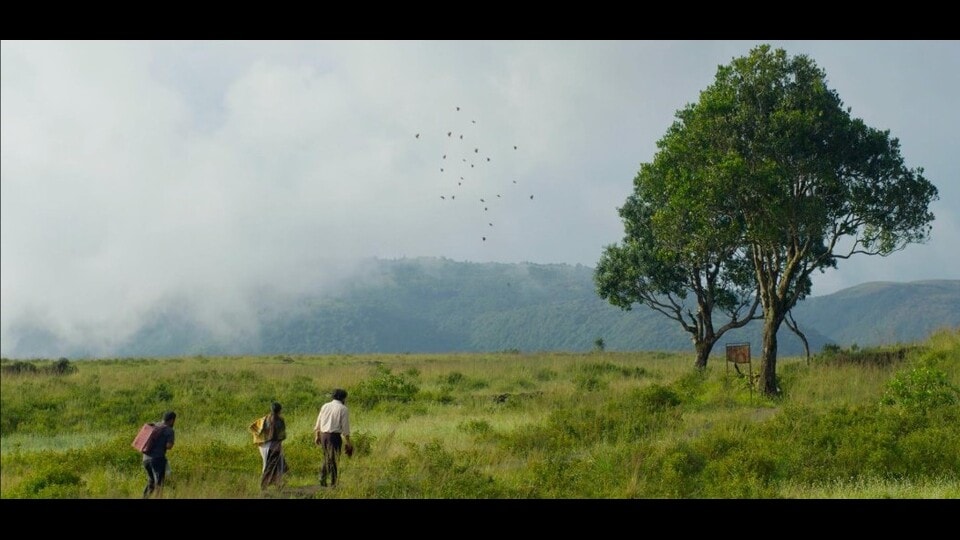
When I went to Meghalaya last year for the Shillong Literary Festival, I was pleasantly surprised to see that the state supports emerging artists, and not just those who practice traditional art forms. Unique in its social structure, demographics, terrain and history, the state has centuries-old storytelling traditions, one of the world’s last surviving matrilineal cultures, and is one of India’s youngest states, with nearly 50 percent of its population under 20 years of age.
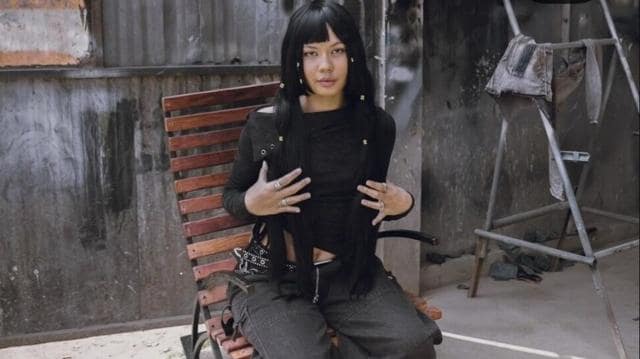
Hyperlocal media cannot be ignored anymore. Close to six lakh people have already downloaded the Hello Meghalaya app and more than 20,000 daily active users engage with Khasi, Garo and Pnar stories. Free access lets a filmmaker in Shillong, a band in Tura, or a home chef in Jowai publish and earn without traditional gatekeepers. With over 2,000 pieces of content and 380+ creators and filmmakers, the app has become a functioning creative marketplace. “Earlier we didn’t have a platform where people could post their content. Hello Meghalaya gave a voice to the talented artists of our state. Before this, artists couldn’t speak in their own language on a big platform like this one,” says award-winning filmmaker Dominic Sangma.
Not just an app
Hello Meghalaya seems to be a part of a wider creative-economy strategy combining film grants, tourism incentives, music programmes and national showcases. Last year, grants were awarded to 47 filmmakers in Shillong. The grant offers up to ₹35 lakh for established feature filmmakers, ₹25 lakh for other features, ₹20 lakh for web series, and ₹5 lakh for emerging filmmakers.
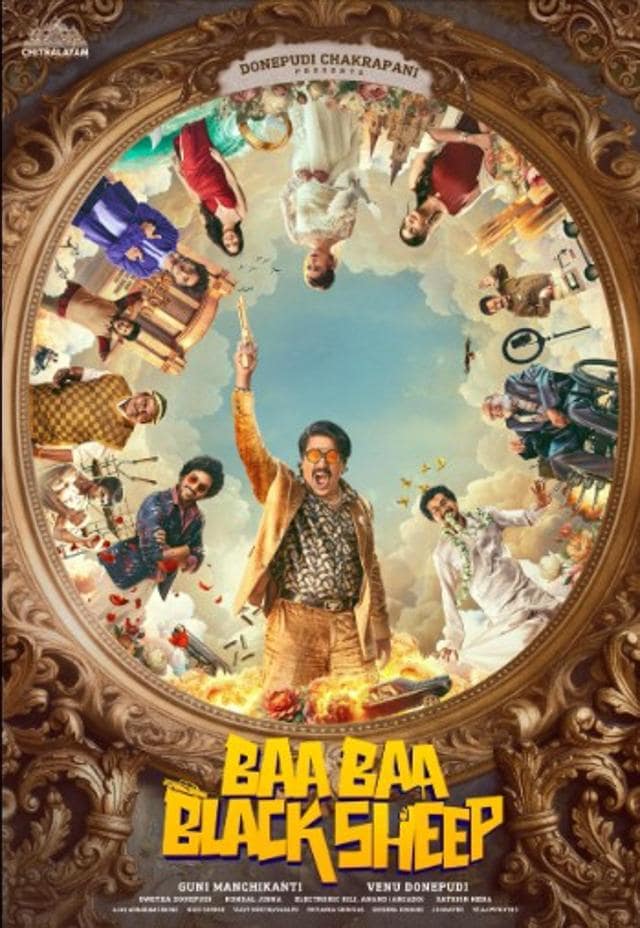
The Meghalaya Film Tourism Policy 2025 also tries to further the state’s filmmaking culture by offering single-window clearances and subsidies up to ₹1 crore for qualifying national and international productions, which will also be hosted on Hello Meghalaya if dubbed in Khasi, Garo or Pnar. Telugu feature Baa Baa Black Sheep, shot entirely in Meghalaya in 25 days, employed nearly 2,000 local youth, demonstrating the potential economic impact. “An initiative will work only if it sustains. I hope that’s the case here as well. Hello Meghalaya has given space to both mature filmmakers and newer talent which makes it even more special. Anybody can watch it as you don’t have to pay any money for it. This makes it accessible even to people living in remote villages,” says director and producer Tyrel Lyngdoh.
Bringing Meghalaya together, live
Hello Meghalaya also live streams cultural, sporting and other public events like Shad Suk Mynsiem, the Khasi spring thanksgiving celebration, Wangala, the Garo Festival of the Hundred Drums celebrating the harvest, Chad Sukra, a Pnar festival centred on community and togetherness, and the Shillong Cherry Blossom Festival, among others. It also streams government programmes, the Shillong Premier League, Meghalaya State League, kickboxing, MMA, archery, basketball, arm wrestling and Meghalaya Games 2025.
In June 2026, the inaugural Hello Meghalaya Music Awards recognized the work of several musicians. Reble (Daiaphi Lamare), the Shillong rapper who gained wider recognition through Dhurandhar, received Icon of the Year, while Eastern Brook, a band of visually impaired musicians, received Best Inspirational Song. At the same event, the state’s chief minister Conrad K Sangma announced the setting up of a Film City and Film Institute in Shillong and a Music Institute in Tura, signaling a long-term effort to make creative careers viable livelihoods.
From regional stories to global audiences
India’s media landscape is changing: regional content is no longer confined to regional audiences, and Meghalaya is positioning itself within that transformation.
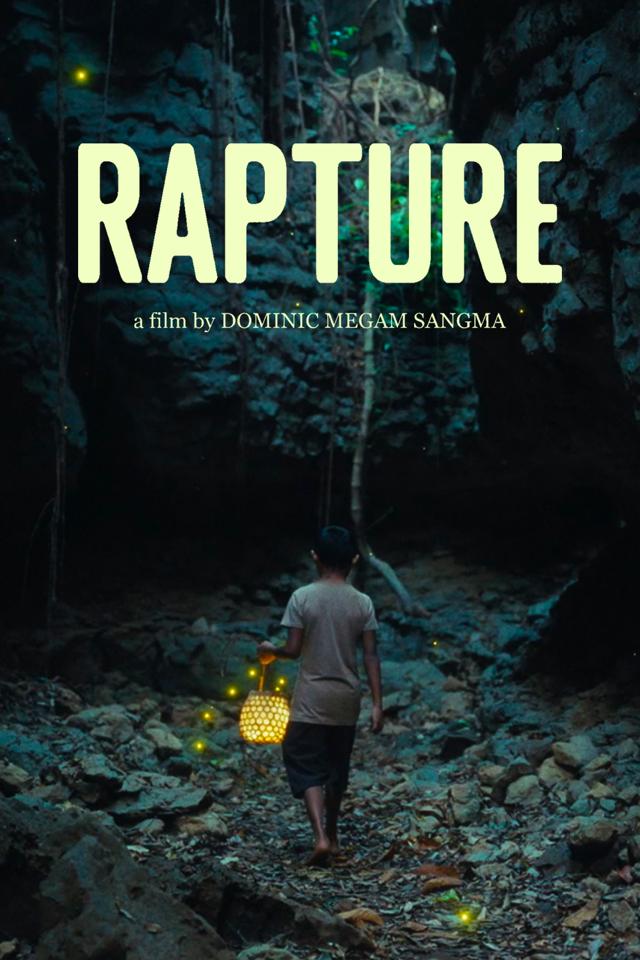
The next phase is stronger links with national and international distributors, streaming platforms and creative networks. The state already has filmmakers whose work has demonstrated that its stories can travel. Dominic Megam Sangma’s Rimdogittanga (Rapture) won the National Film Award for Best Garo Film and the Cultural Diversity Award at the Asia Pacific Screen Awards. Pradip Kurbah’s Ri, Onaatah and Ïewduh each won the National Award for Best Khasi Film, while Ïewduh also won the Kim Ji-seok Award at Busan.
This year, Pradip Kurbah’s Ha Lyngkha Bneng (The Elysian Field), created from a Hello Meghalaya grant, premiered at the Chicago South Asian Film Festival on September 19, 2026. It had its African premiere at FINIFA’s Main Competition in Agadir, Morocco in early October, and won Best Film, Best Director and the NETPAC Award at the 2025 Moscow International Film Festival.
These achievements show that the state’s filmmakers are already producing work that finds audiences and recognition beyond the region. Distribution collaborations can build on this foundation, creating pathways for filmmakers, musicians and other creators to reach national and international audiences.
That brings the story back to where it began. As audiences seek specific, authentic, place-rooted stories, Meghalaya can become both producer and exporter of culture.
Chittajit Mitra (he/him) is a queer writer, translator and editor from Allahabad. He is co-founder of RAQS, an organisation working on gender, sexuality and mental health.


