
 E-Paper



HT Picks; New Reads
On the list of interesting reads this week is a practical treatise on stage design in Indian theatre, an insider’s account of JNU’s issues, and a celebration of the 50th year of UAE’s formation

 Prefer HTon Google


The dialect of space and props
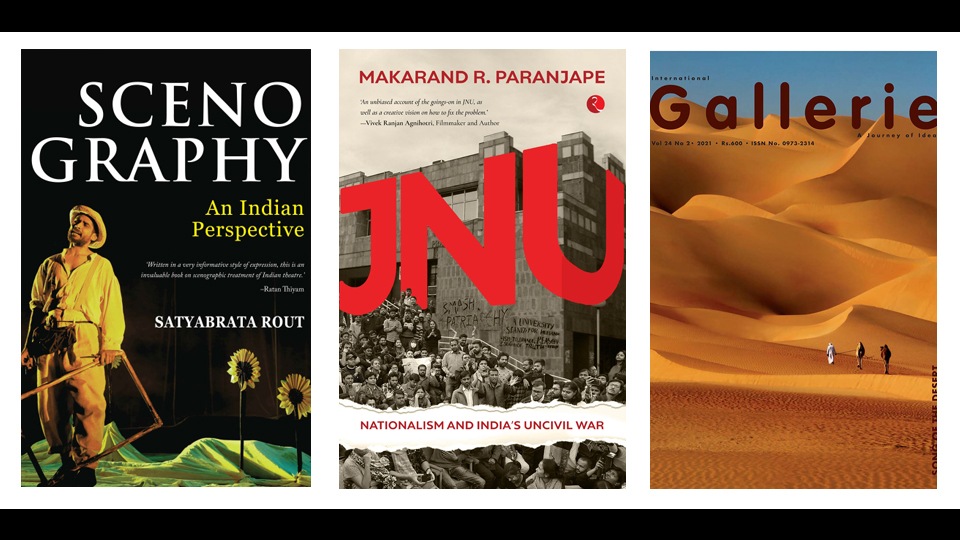
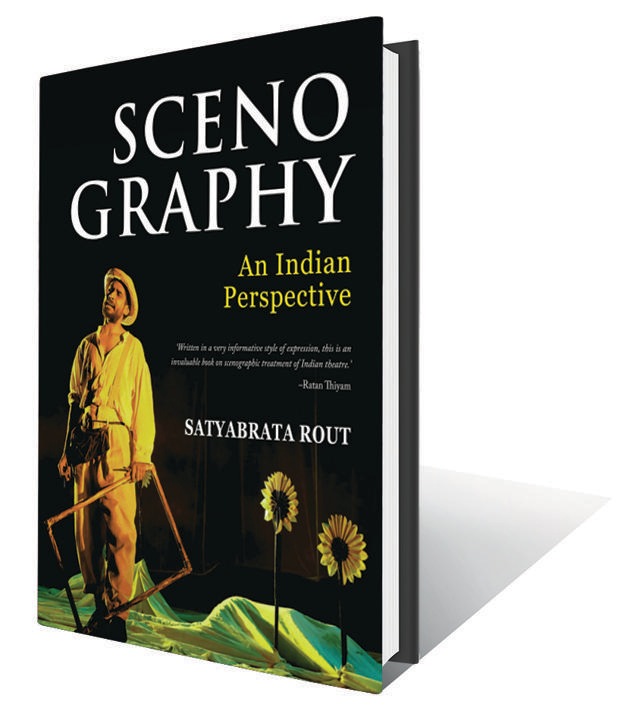
Scenography is the art of “writing the stage space” – a visual journey of unmaking and remaking the text on a theatre space, a language of the spectatorial senses. However, this dialect of space and props, though prevalent in the West from the early days of the Greek plays, unfortunately has never been groomed and appropriated in the long theatre tradition of the East – until a handful of new practitioner and scholars decided to explore the field of design and change the narrative of space in recent times.
Yet with hardly any documentation available in the backdrop of indigenous theatre, there was a need for a practical treatise for quite a long time.
Scenography: An Indian Perspective the first ever treatise in this field, unearths this astonishing yet silent contribution of ‘stage’ design in Indian theatre throughout the ages, and the comparatively recent appropriation of it by the modern practitioners of the country.*
Story of a nation’s ongoing transformation
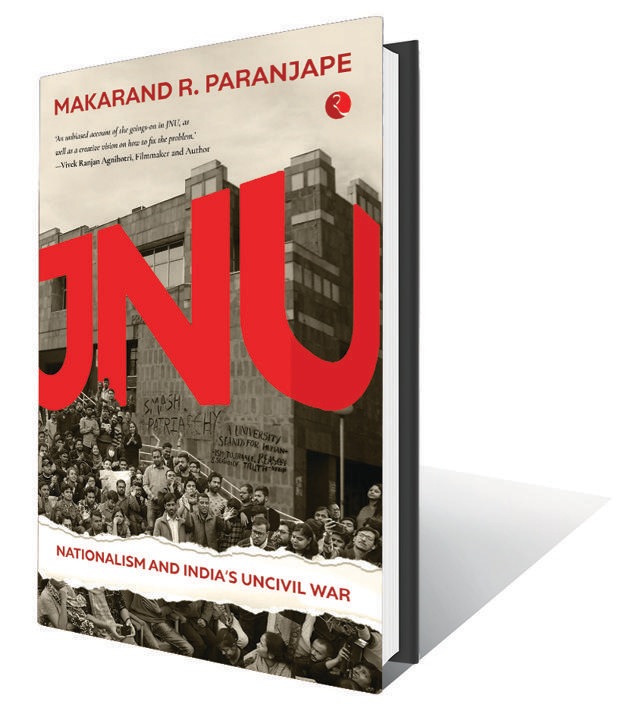
9 February 2016: Jawaharlal Nehru University (JNU) erupted in “anti-national” slogans. Arrests of student leaders, the shutdown of the university, a lecture series on “What the Nation Needs to Know”, a student’s disappearance, another’s suicide and a number of even more disruptive protests ensued.
JNU: Nationalism and India’s Uncivil War by a long-standing JNU professor is a ringside account of what happened. Delicately and incisively crafted, it is an empathetic insiders’ account of JNU’s problems from an expert in the field of higher education. Through this book, the author makes an impassioned plea to transform rather than destroy JNU, and also reform Indian higher education. But more than that, this book is a history of our times, of India’s ongoing transformation, the story of the changing self apprehension of a nation.
Examining the multiple meanings of nationalism in our time, Paranjape delves deeply into what it means to be Indian today. He offers his perception and understanding of the new Indian that is fast emerging as the nation celebrates its 75th year of Independence.*
Spotlight on UAE
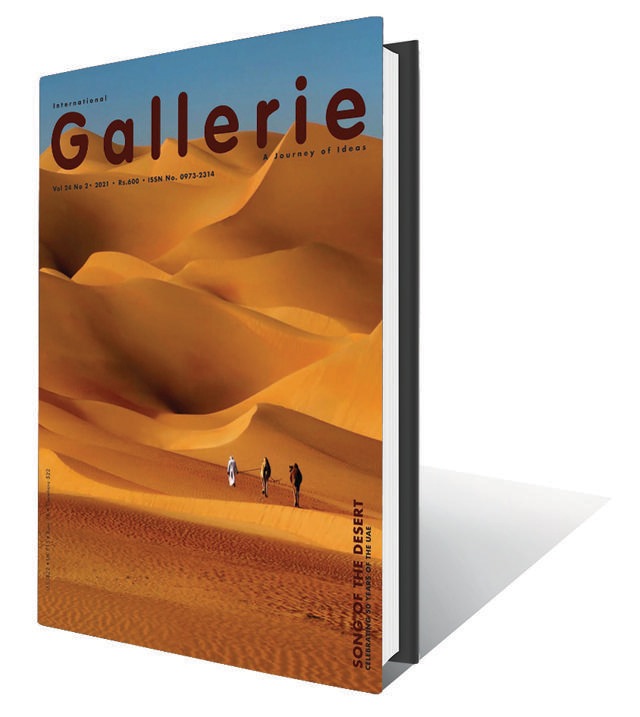
One upon a time, some two centuries ago, nomadic Bedouins walked miles and miles seeking sustenance in a vast desert in the Arabian Peninsula. Camels, horses and donkeys provided transport and trade, while sheep and goat were raised for food, milk and clothing. But once oil was discovered in the 1950s and the first offshore oil platform created close to Das Island, Abu Dhabi, there was no looking back. The region took a seismic leap into the future, steered by the leadership of Sheikh Zayed bin Sultan Al Ahyan, who ensured the first shipment of oil in 1966.What was once an arid desert and later scatters of seven gulf regions, Abu Dhabi, Ajman, Dubai, Fujairah, Sharjah and Umm Al Quwain known officially as the Trucial States or Sehikhdoms, were brought together in 1971 by Sheikh Zayed to create the formation of the United Arab Emirates. The latest issue of the biannual Gallerie magazine celebrates the 50th year of UAE’s formation by putting the spotlight on the Emirati art scene, and on the dance, culture, poetry and photography of the region.*
*All copy from book flap


