
 E-Paper



HT Picks; New Reads
This week’s list of interesting reads includes an anthology that shows how Mahatma Gandhi’s principles are of particular relevance today, a translation of a popular Sanskrit hymn celebrating the power and beauty of Shakti, the primordial goddess, and the collected lectures of an eminent 19th century figure in the courts of the Indian princely states

 Prefer HTon Google


Influences, Activisms
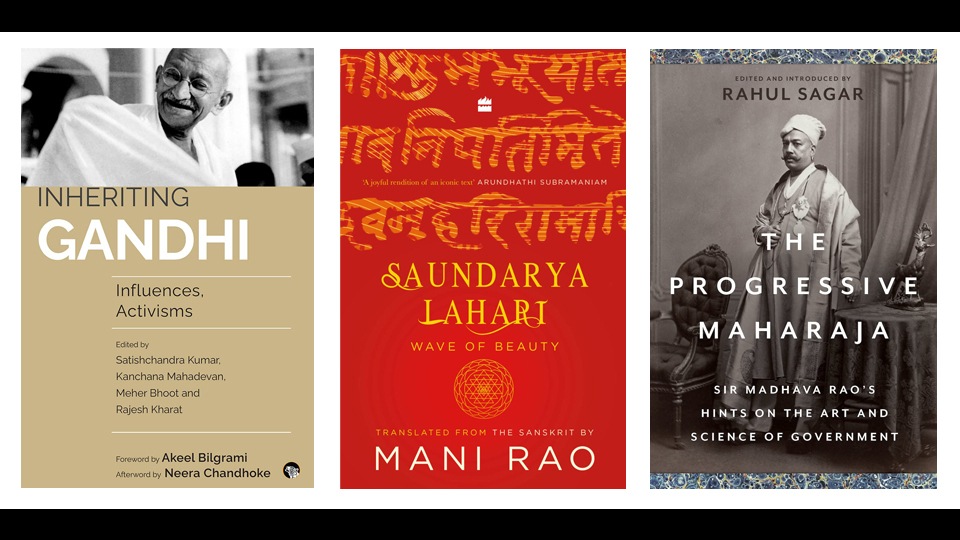
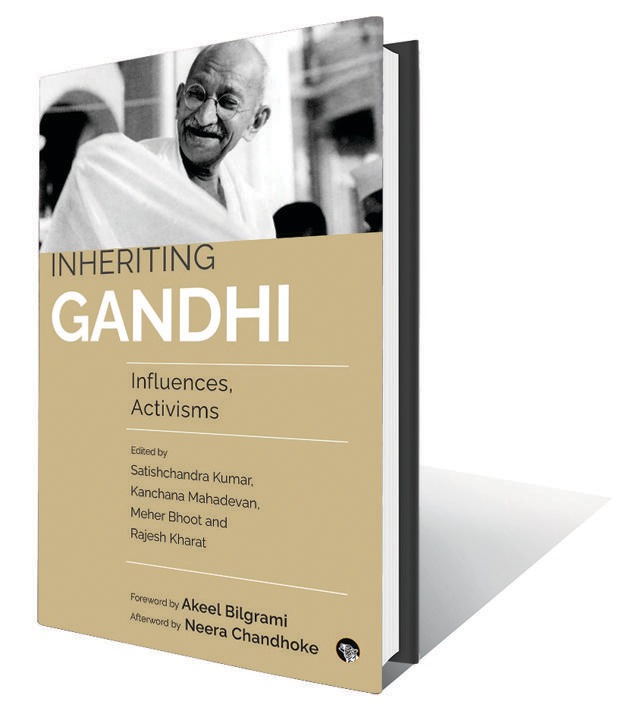
This thoughtfully curated anthology examines how Mahatma Gandhi’s principles are eternal and reflect his particular relevance today — a time of uncertainty, disruption and rupture resulting from the social, political, economic and environmental structures humanity has built. As in the 20th century, so in the 21st, Gandhi as a symbol of peace, and his legacy of a fundamental and all-inclusive compassion — whatever its limitations and occasional contradictions — has important lessons for us if what we desire is a just and sustainable world.
The pieces in this volume, arranged in two sections — Influences and Activisms — discuss Gandhi’s Influence on civil rights movements and social upliftment; Gandhi as an exemplar of transformational leadership; Gandhi and the effects of the colonial encounter; Gandhi and higher education; Gandhi’s ideas of village republics in the context of globalization; Gandhi and lessons for self-reliance and simplicity in a complex and frenetic age; and Gandhi and the ethics of nursing and medical care, especially in a pandemic-ravaged world.
Framed by Akeel Bilgrami’s Foreword, which looks at the concepts of secularism and multiculturalism from a Gandhian perspective, and Neera Chandhoke’s Afterword, which discusses Gandhian activism in the present Indian context, this is an important, and in many ways empowering, contribution to contemporary scholarly and public discourse.*
Wave of Beauty
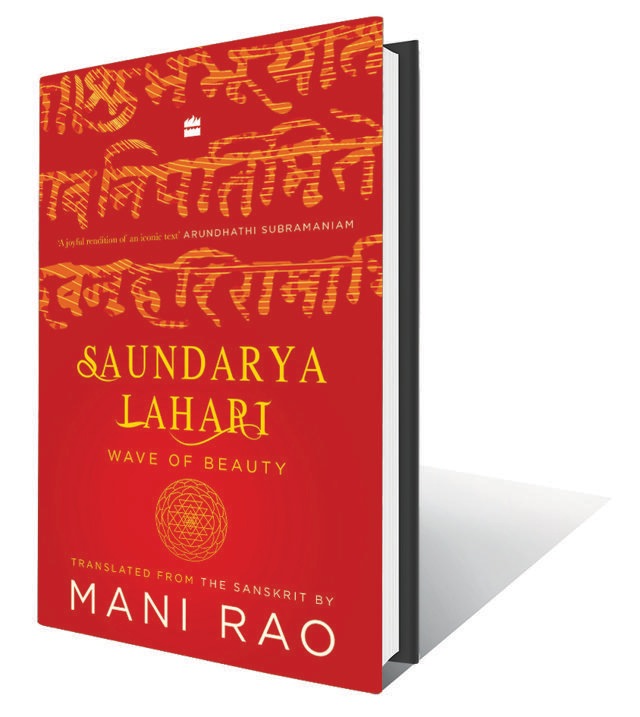
Saundarya Lahari is a popular Sanskrit hymn celebrating the power and beauty of Shakti, the primordial goddess. In one hundred verses, it underlines the centrality of the feminine principle in Indian thought.
Attributed to Adi Sankaracharya, Saundarya Lahari is a valuable source for understanding tantric ideas. Every verse is associated with yantras and encoded mantras for tantric rituals, and specific verses in the hymn are considered potent for acquiring good health, lovers, and even poetic skills.
Mani Rao’s Saundarya Lahari is an inspired, lyrical translation that renders the esoteric immediate and the distant near.*
Sir Madhava Rao on government
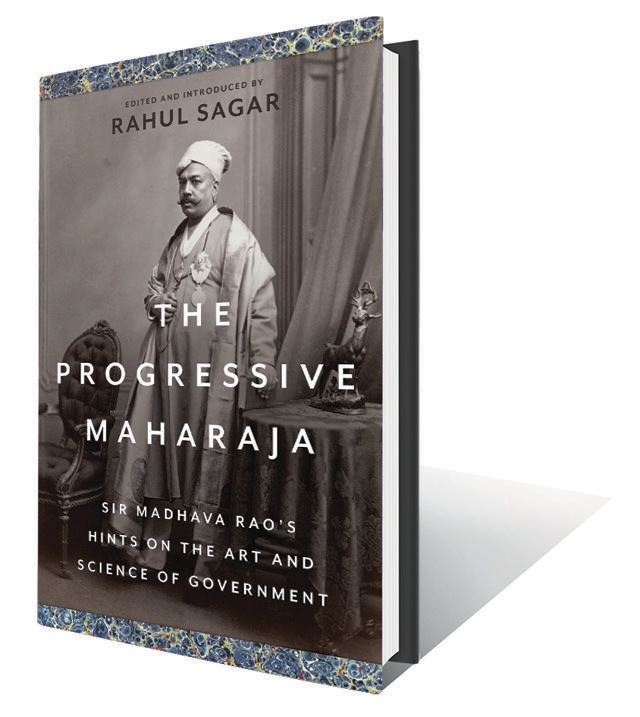
Hints on the Art and Science of Government was the first treatise on statecraft produced in modern India. It consists of lectures that Raja Sir T Madhava Rao delivered in 1881 to Sayaji Rao Gaekwad III, the young Maharaja of Baroda. Universally considered the foremost Indian statesman of the nineteenth century, Madhava Rao had served as dewan (or prime minister) in the native states of Travancore, Indore and Baroda. Under his command, Travancore and Baroda came to be seen as “model states”, whose progress demonstrated that Indians were capable of governing well. Rao’s lectures summarize the fundamental principles underlying his unprecedented success. He explains how and why a Maharaja ought to marry the classical Indian ideal of raj dharma, which enjoins rulers to govern dutifully, with the modern English ideal of limited sovereignty. This makes Hints an exceptionally important text: it shows how, outside the confines of British India, Indians consciously and creatively sought to revise and adapt ideals in the interests of progress. This landmark edition contains both the newly rediscovered, original lecture manuscripts; and an authoritative introduction, outlining Rao’s remarkable career, his complicated relationship with Sayaji Rao III, and the reasons why his lectures have been neglected - until now.*
*All text from book flap.


