
 E-Paper



HT Picks; New Reads
On the reading list this week is a celebration of Mumbai’s rich diversity of cultures and cuisines

 Prefer HTon Google


An anecdotal history of food in Mumbai
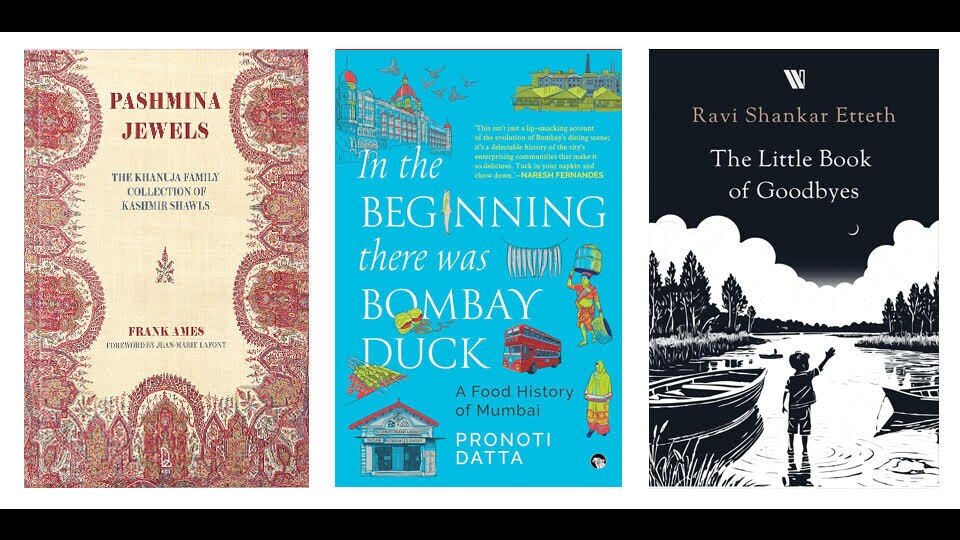
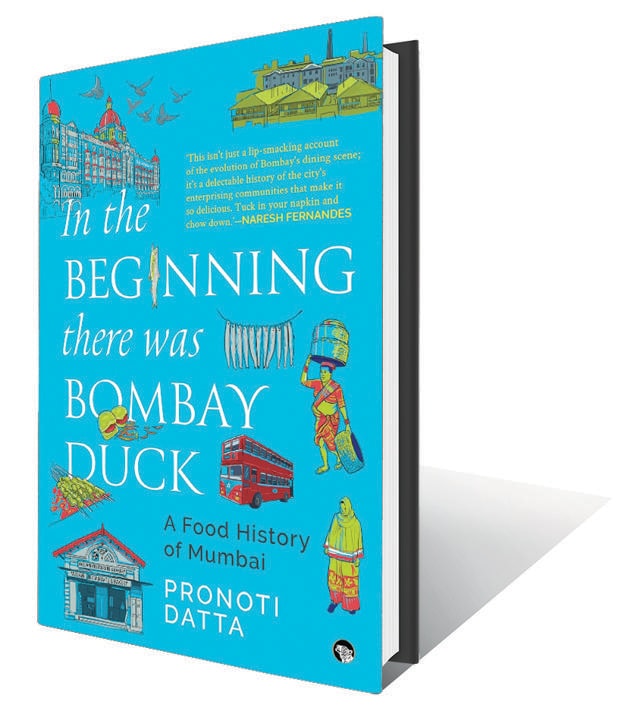
From the Kolis, who have been fishing in the city’s waters since much before recorded history, and early settlers such as the Pathare Prabhus, to the people who poured into the developing city in the centuries of British rule and those, like the Sindhis, who found a safe haven here during Partition, this is the first truly comprehensive food history of India’s great metropolis.
The city’s nativists like to champion what they consider ‘original cultures’. But originality resides in the Mumbaikar’s inventive impulse, a quality encapsulated in the nativist’s favourite food, the vada pao: Were it not for the Portuguese, who transported the potato or batata to Bombay, and taught the Goans the art of baking bread, or pao, the vada pao may never have been conceived!
Celebrating this rich diversity of cultures and cuisines, this book covers migrants from the Kanara coast, who gave the city the Udipi restaurant; Parsis, who introduced diners to Persian and Gujarati-inflected dishes, and their Irani brethren, who served this food in their iconic cafes; and the myriad Muslim communities that made the old neighbourhood of Bhendi Bazaar a gastronome’s place of pilgrimage.
Bombay Duck is a rigorously researched, delightfully anecdotal history of food in Bombay/Mumbai that is as colourful and cosmopolitan as the city itself.*
Transformative Sikh designs
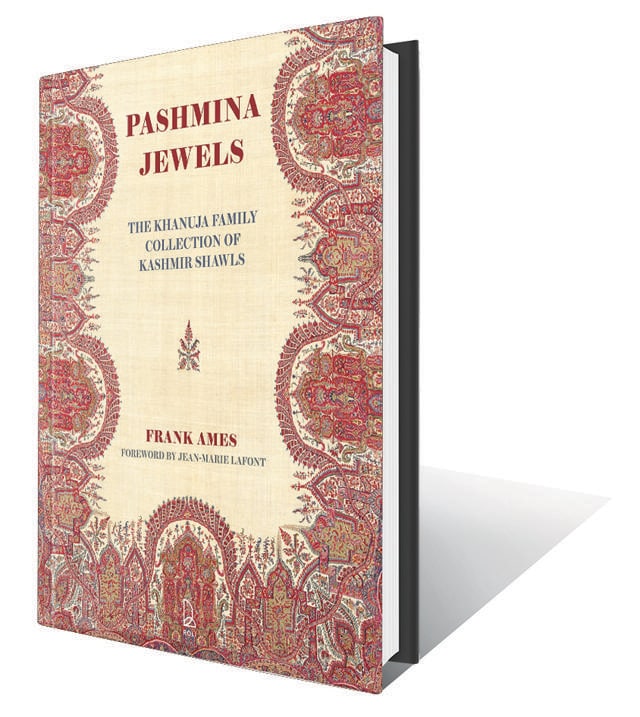
In this new book, Frank Ames concludes a trilogy of works, in which his sharp and revealing studies of the origins of the Sikh Kashmir shawl patterns under Maharaja Ranjit Singh not only remind us of their uniqueness and originality, but also, through their striking visuals, transport us through previously unknown ethereal and mystical dimensions of time and space.
From the tumultuous history of Punjab, the Sikhs rose to great power, commanding enough influence to draw the attention of the mighty British Raj. Ames guides us through the political, cultural, religious, and artistic events of the Punjab that gave rise to these transformative Sikh designs.
Pashmina Jewels emerges from the shared dedication of collector, Parvinderjit Singh Khanuja, and the author, both driven by a single purpose: to bring to light an art form long neglected by Indian historians.*
Of gods, ghosts and old friends
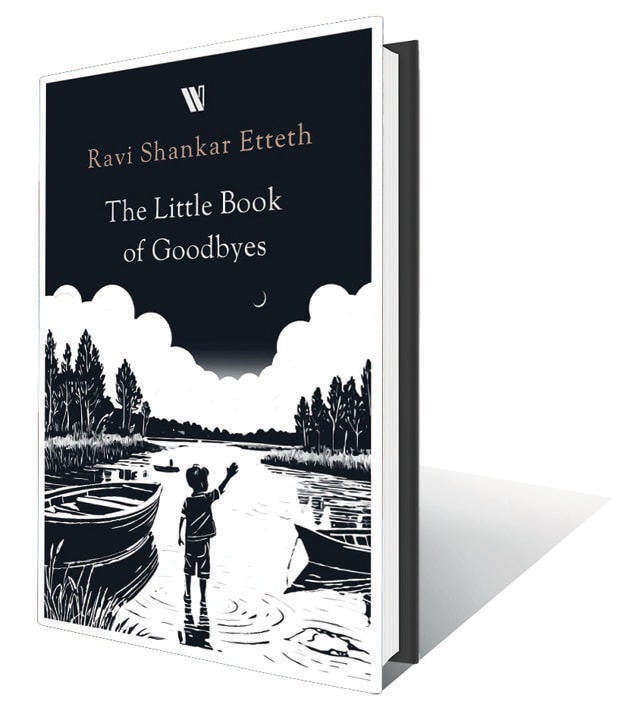
An unusual and evocative gaze back over the shoulder, The Little Book of Goodbyes captures the innocent intimacy that binds children, parents and grandparents, friends and lovers, and unlikely landmarks in faraway cities. Rooted in the memory of a childhood spent in Kerala, it travels through Malabar and Delhi to Dresden and New York, encountering gods, ghosts and old friends with equal aplomb, landing finally in the cool valleys of Mussoorie. Along the way, it weaves stories that illuminate the best things of life: friendship, loyalty, affection, laughter, while being mindful every moment of the inevitability of departure.
At once joyful, tender and melancholy, this is an immersive work that blurs the boundaries of fiction and autobiography.*
All copy from book flap.


