
 E-Paper



HT Picks; New Reads
This week’s pick of interesting reads includes an anthology in support of Palestine, a tenth-century collection of Jain stories about 19 warrior saints who embrace death in pursuit of enlightenment, and a volume on Bangladesh

 Prefer HTon Google


A response to live-streamed obliteration
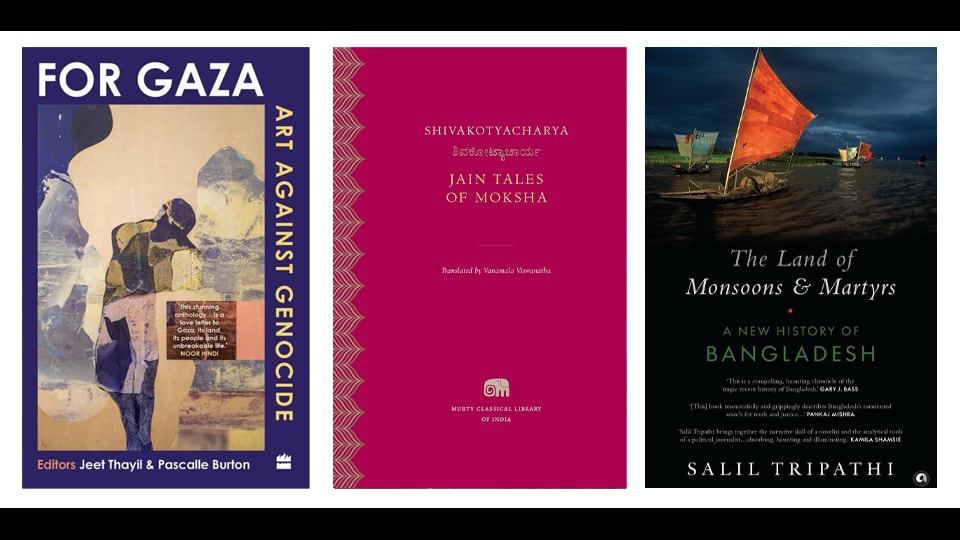

For Gaza gathers a range of artists from across the globe who are using their work to show solidarity with Palestine, bear witness to the ongoing live-streamed genocide in Gaza, and hold power, complicity and silence to account.
For Gaza is one of the finest collections we have seen in recent times of artists responding to the ongoing, live-streamed, inhumane and devastating obliteration of a civilian population – the displaced Palestinians, mostly women, children and the elderly of Gaza and the West Bank.
The anthology spans genres – it encompasses fiction and non-fiction, poetry and art, essays and reportage, testaments and commentary, photography and anthems. As a collection, it serves to remind us that Gaza is not just a headline, a ‘zone of conflict’, an open-air prison where, to date, over 75,000 civilians have died, the site of a genocide, but also a place that has harboured stories and memories and dreams, all of which have been under savage attack. Put differently, what For Gaza does is make resistance the true language of artistic creation. In shunning silence – in gathering a range of voices to speak as one collective voice; a voice that demands fairness, decency, humanity – it becomes a book that advocates for Gaza, but on a larger scale, for a just world.
Edited by writers Jeet Thayil and Pascalle Burton, the list of contributors includes artists on the ground in Gaza, as well prize-winning writers from India, Australia, Europe and the United States. This is a necessary, urgent, artistic response to an unimaginable political moment.*
Stories of spiritual liberation
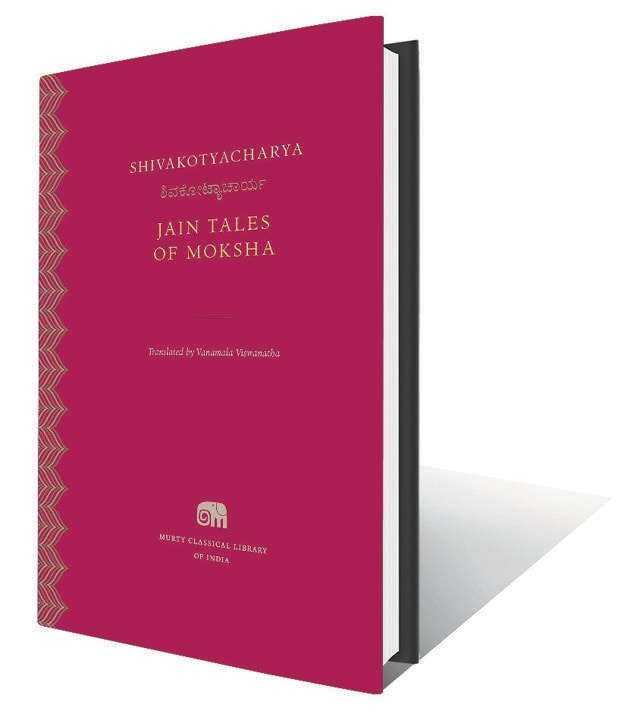
A tenth-century Jain guide to ethics, self-discipline, and the quest for meaning at life’s end. Vaḍḍaradhane (literally, the veneration of ritual death), the first extant prose work in Kannada, is a tenth-century collection of Jain stories about 19 warrior saints who embrace death in pursuit of moksha, or spiritual liberation. Each tale in this book of living and dying follows the renunciate’s transformation from an ordinary person enmeshed in worldly desires to an enlightened being who attains moksha through penance, fasting, meditation, and self-mortification, culminating in ritual death. Originally recited for spiritual protection to Jain renunciates approaching the end of life, these narratives explore social hierarchy, duty, and discipline while offering enduring insights into human striving and ethical courage.
Attributed to Shivakotyacharya, a Digambara Jain cleric, the collection combines the vernacular stories with verses in Prakrit and Sanskrit. Presented here in a modern English translation alongside the authoritative Kannada text, Jain Tales of Moksha speaks across centuries. Its medieval themes of moral choice, self-discipline, and the search for ultimate freedom invite contemporary readers to reflect on how we navigate desire, duty, and the quest for meaning in our own lives.*
Portrait of a nation
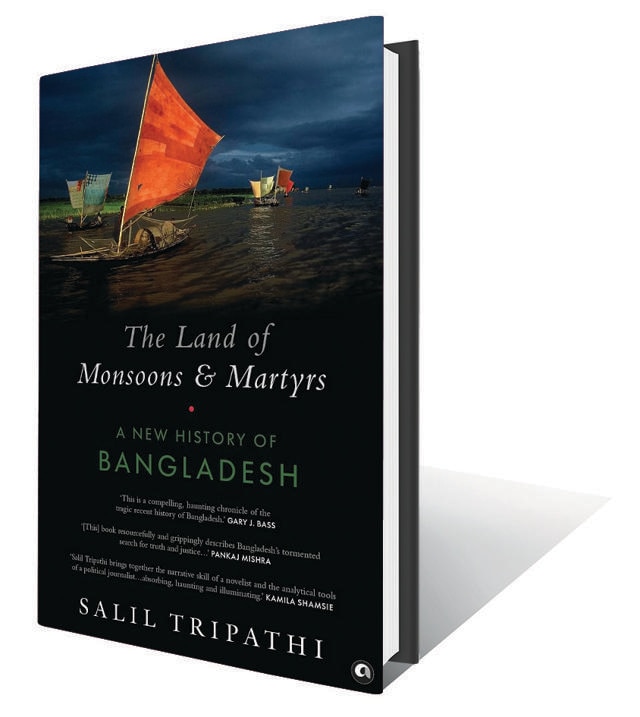
Between March and December 1971, the Pakistani army committed atrocities on an unprecedented scale in the country’s eastern wing. Pakistani troops and their collaborators were responsible for countless deaths and cases of rape. Clearly, religion alone wasn’t enough to keep Pakistan’s two halves united.From that brutal violence, Bangladesh emerged as an independent nation, but the wounds have continued to fester. The gruesome assassination of Sheikh Mujibur Rahman — the country’s charismatic first prime minister — and most of his family, the coups and counter-coups which followed, accompanied by long years of military rule were individually and collectively responsible for the country’s inability to come to grips with the legacy of the liberation war.Around five decades later came the catastrophic fall of Mujib’s daughter, Hasina Wajed, who ruled the country for twenty years. Bloody protests erupted across Bangladesh in 2024, when Hasina reinstated quotas for government jobs, the majority of which benefited the progeny of freedom fighters. Over a thousand dissenting civilians were killed when she unleashed the security forces on them. Within a month, she was forced to flee to India in a helicopter, marking an ignominious end to her career.In this revised and updated edition, Salil Tripathi travels the length and breadth of the country, probing its trauma through interviews with hundreds of Bangladeshis. The Land of Monsoons & Martyrs, which was originally published as The Colonel Who Would Not Repent, offers the reader an unforgettable portrait of a nation whose political history since Independence has been marked more by tragedy than triumph.*
*All copy from book flap.


