
 E-Paper



Harvard expert on spiritual well-being: How everyday activities can become a form of meditation

 Prefer HTon Google


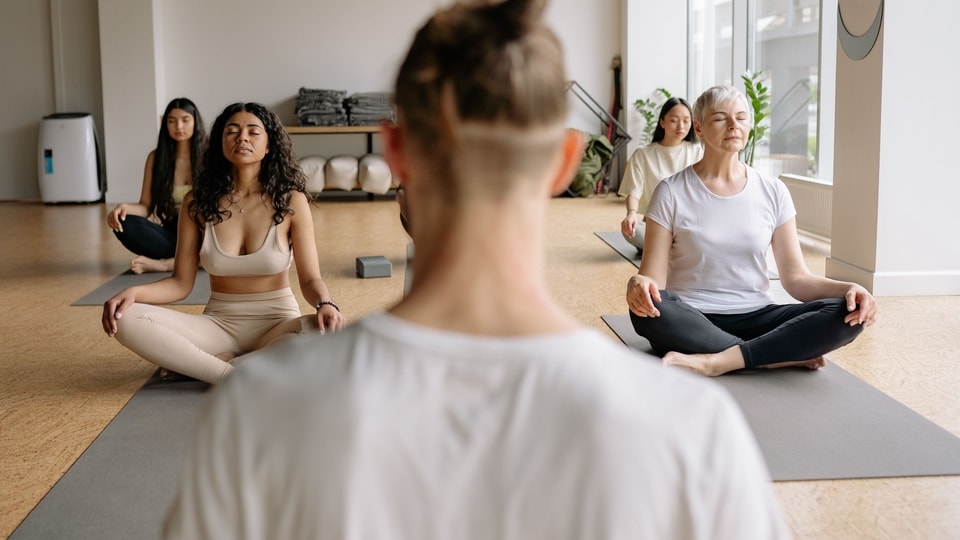
In a recent interview with Harvard School, Monica Sanford, Lecturer in Ministry Studies, explains how you can bring mindfulness into your everyday routine.
You do not always need a quiet room, a meditation cushion or an hour of silence to practise mindfulness. Sometimes, simple activities such as washing dishes, walking outdoors or folding laundry can help you become more aware of the present moment.
In a recent interview with Harvard Divinity School, Monica Sanford, Lecturer in Ministry Studies and Assistant Dean for Multireligious Ministry, explains how you can bring mindfulness into your everyday routine. Sanford, an ordained Buddhist lay minister, says you can practise mindfulness through ordinary activities when you give them your full attention.
Also Read Harvard shares a mindfulness practice that may help reduce stress and anxiety
What does mindfulness mean in Buddhist teachings?
Mindfulness has deep roots in Buddhist philosophy. The practice, known as sati in Pali, forms part of the Noble Eightfold Path, which guides people towards awakening and freedom from suffering.
Sanford explains that mindfulness means recognising where you are, what you are doing and why you are doing it. It also asks you to notice when your thoughts drift towards anxiety or distractions.
Rather than treating mindfulness as another wellness trend, Buddhist teachings connect it with awareness, ethical choices and compassion.
Can everyday activities become meditation?
You do not have to sit cross-legged or follow a strict routine to practise mindfulness. Sanford suggests bringing your attention to activities you already enjoy.
For example, when you wash dishes, notice the warmth of the water, the movement of your hands and the sound around you. When you walk, pay attention to the sights, smells and sounds instead of checking your phone or listening to something.
You can also practise mindfulness while cooking, gardening, knitting or folding laundry. The key is to stay present instead of rushing through each task.
How can you start a simple mindfulness practice?
If you struggle to sit still, Sanford suggests trying different meditation styles until you find one that suits your routine.
Breath meditation offers a simple starting point. Sit comfortably and notice the natural rhythm of your breathing. When your thoughts wander, gently bring your attention back to your breath.
You can also explore walking meditation or loving-kindness meditation. The latter encourages you to develop kindness and compassion towards yourself and others.
Also Read Why do spiritual seekers meditate on a full Moon day? A spiritual guru explains
Why mindfulness is more than a stress-relief technique
According to Sanford, mindfulness is not simply about calming your mind. It helps you direct your attention towards what matters without becoming overwhelmed by distractions or difficult emotions.
She also connects mindfulness with compassion, which involves recognising another person's suffering and wanting to ease it.
You do not need to transform your entire routine overnight. Start with five minutes of mindful walking or give your full attention to one everyday task.


