
 E-Paper



HT Picks; New Reads
This week’s pick of interesting reads includes a novel about two young people living in Delhi, a comprehensive study of Safdar Hashmi’s legacy, and an ode to the mango, the king of fruits

 Prefer HTon Google


Capturing what it means to be young today
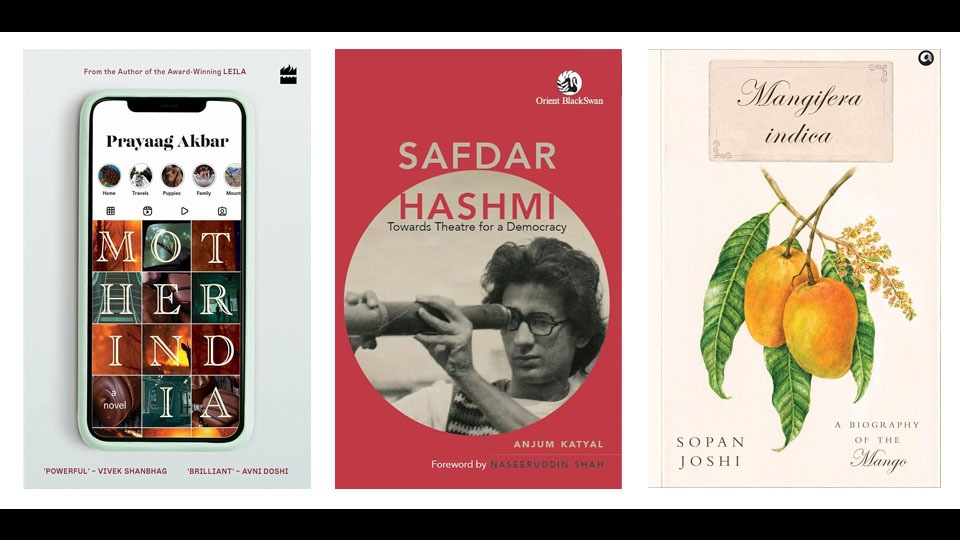
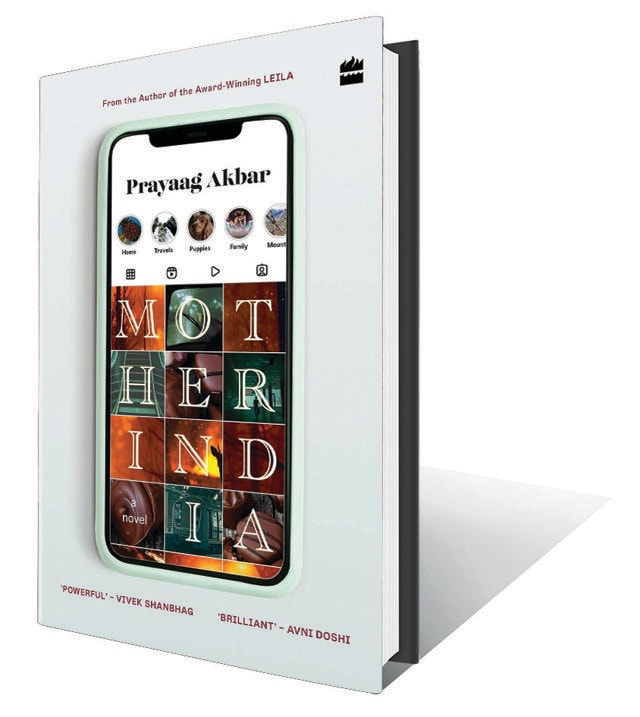
Mother India is the story of two young people living in contemporary Delhi. Plodding away to make a decent living despite a middling education, Mayank is employed in a right-wing content creator’s dingy basement studio. Nisha, recently moved to the city from her small town in the hills, works as a salesgirl for expensive Japanese chocolate in an upscale mall.
When Mayank discovers Nisha beaming off her Instagram like a beacon, he is smitten, and the video clip he devises for his studio ends up having significant consequences for them both.
Sparkling and unexpected, Prayaag Akbar’s new novel brilliantly captures what it means to be young and alive in today’s India.*
On a national icon of resistance
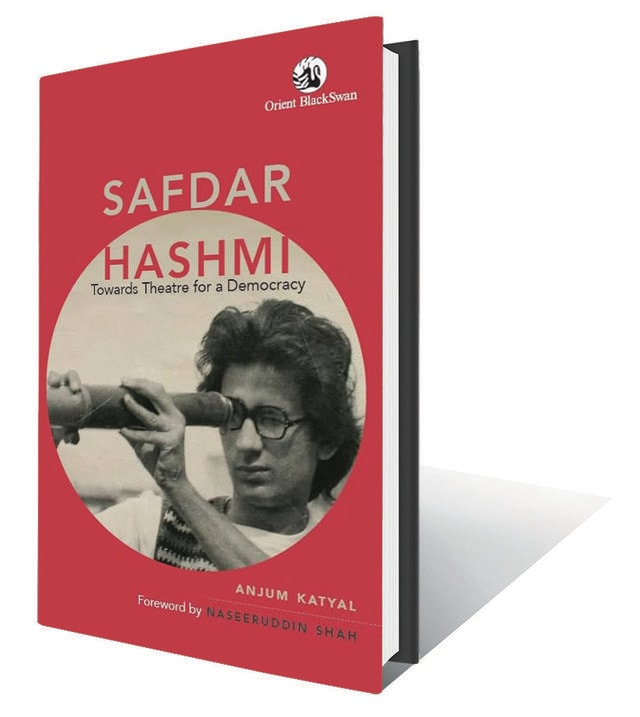
Safdar Hashmi (1954–1989) became a national icon of resistance after his death on 2 January 1989, following a brutal attack while performing a street play. The firebrand artist, actor, playwright, poet, and activist was at the forefront of the development and subsequent popularity of street theatre, and his group, Jana Natya Manch (Janam), is still considered a leader in the genre of political theatre. There is little reliable scholarship on the history of theatre in India and on Safdar Hashmi’s contribution to Indian theatre. This book fills both gaps through a close look at Safdar’s career, from his early life and the influences that formed him, his first forays into theatre in Delhi in the 1970s, the mature work he produced in the 1980s until his life was cruelly cut short, and the legacy he left behind. Examining the cultural and political environment of the time, Anjum Katyal places Safdar and Janam in the context of the larger history of Indian political theatre. She argues that with the development of a powerful, thought-provoking, and effective street theatre, Safdar was moving towards a vision and practice of democratic theatre. The book analyses how both he and Janam were part of a larger project of democratisation, and how democratic theatre can help to build a healthy democratic polity. The author brings together sources ranging from detailed interviews, to writings by and on Safdar, as well as critical pieces on Janam’s theatre. The study is supplemented by her masterful English translations of three of Janam’s most popular plays: Machine, Hatyare, and Aurat. This comprehensive study of Safdar Hashmi’s legacy will be invaluable to theatre institutions, students, scholars and researchers of performance studies, culture studies, and sociology, and those interested in a cultural history of Indian theatre.*
On every aspect of India’s favourite fruit
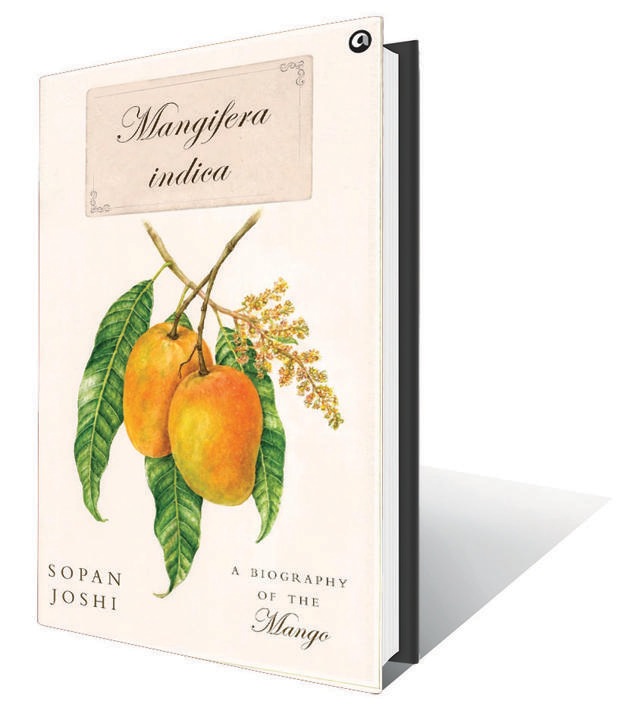
The mango, the king of fruits, is also the fruit of desire and the fruit of love. Every aspect of the tree is profoundly intertwined with Indian civilization. The leaves, flowers, and fruits of the mango are depicted in paintings and sculptures, and references to it are found in Indian literature through the ages and in several languages. It has played, and continues to play, an important role in religion, cuisine, and a variety of cultural forms. But do we really know all there is to know about this delectable fruit?
In this deeply researched and superbly written book, we go beyond the well-trodden stories of the obsessions of nawabs and kings and breathless annual debates about the best mangoes in the world. From the orchards where they grow to the vibrant markets redolent with their aroma, and ultimately to our tables, Mangifera indica describes every aspect of India’s favourite fruit. Book One begins with the history, origin, and the relevance of the mango in contemporary culture, including its place in religious rituals and festivals, literature, and diplomatic relations. Book Two takes us far back in time, 4,500 million years ago, to chart the coevolution of the ancestors of the mango and humans. In Book Three, we traverse the length and breadth of India, encountering a kaleidoscope of mango varieties — the fragrant Alphonso, sweet Kesar, succulent Dashehri, and dozens of others — as well as never before heard stories of growers, traders, distributors, and consumers.
An ambitious synthesis of reportage, history, biology, ecology, economics, and culture, Mangifera indica is the definitive account of India’s treasured fruit.*
*All copy from book flap.


