
 E-Paper



Review: A Branch of the Sapling of Sorrow; A Life Story by Ali Amjad
The political autobiography of Ali Amjad, a member of the national council of the undivided Communist Party of India, who was driven to Pakistan by police harassment, looks dispassionately at the period from the run up to the partition of India until the creation of Bangladesh. His reminiscences of unflinchingly committed comrades are the high point of the book

 Prefer HTon Google


Have Sitaram Yechury, Doraisamy Raja and Dipankar Bhattacharya, general secretaries of the Communist Party of India (Marxist), CPI and CPI(Marxist-Leninist) Liberation, heard of Comrade Kazim Naqvi who officially died of cardiac arrest on 26 January 1950 when imprisoned as a member of the undivided Communist Party of India (then banned) in Bihar? I would not be surprised if they haven’t. He was “tortured to death at the Hazaribag Central Jail... This young man had the courage to raise a red flag on the door of his jail cell. He was dragged into his cell and lost his life after being mercilessly beaten for two or three days. His family was not informed of his death nor was the body turned over to his (next) of kin. At the time, as the secretary of the provincial committee, I wrote at length about this tragedy and tried to do something about it. When I petitioned the Supreme Court, the civil surgeon posted at the jail was a Muslim who entered (in) a sworn affidavit that Kazim Naqvi died of cardiac arrest. When I came to the court for the second time, the judge asked me only one question. ‘What basic right do you fear not being able to exercise?’ I repined, ‘The basic right to live is the most fundamental human right, and I fear that I will meet the same fate as Kazim Naqvi because Hazaribag Central Jail has been converted into a place for exacting retribution.’ Obviously, the petition was dismissed.”
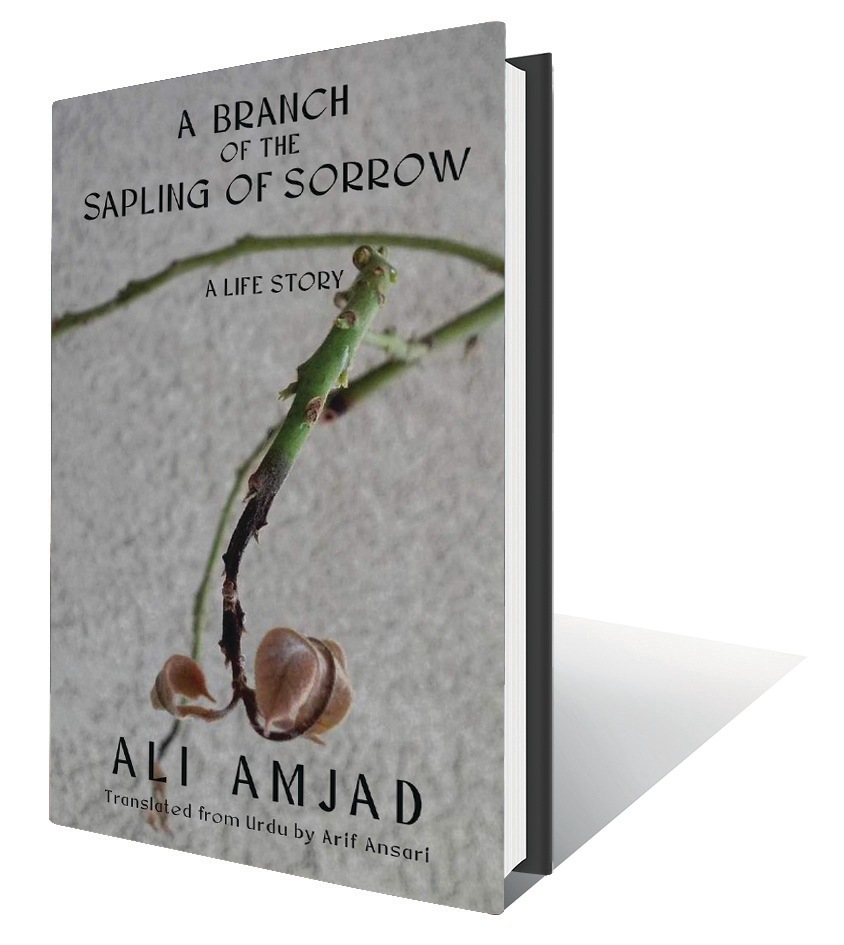
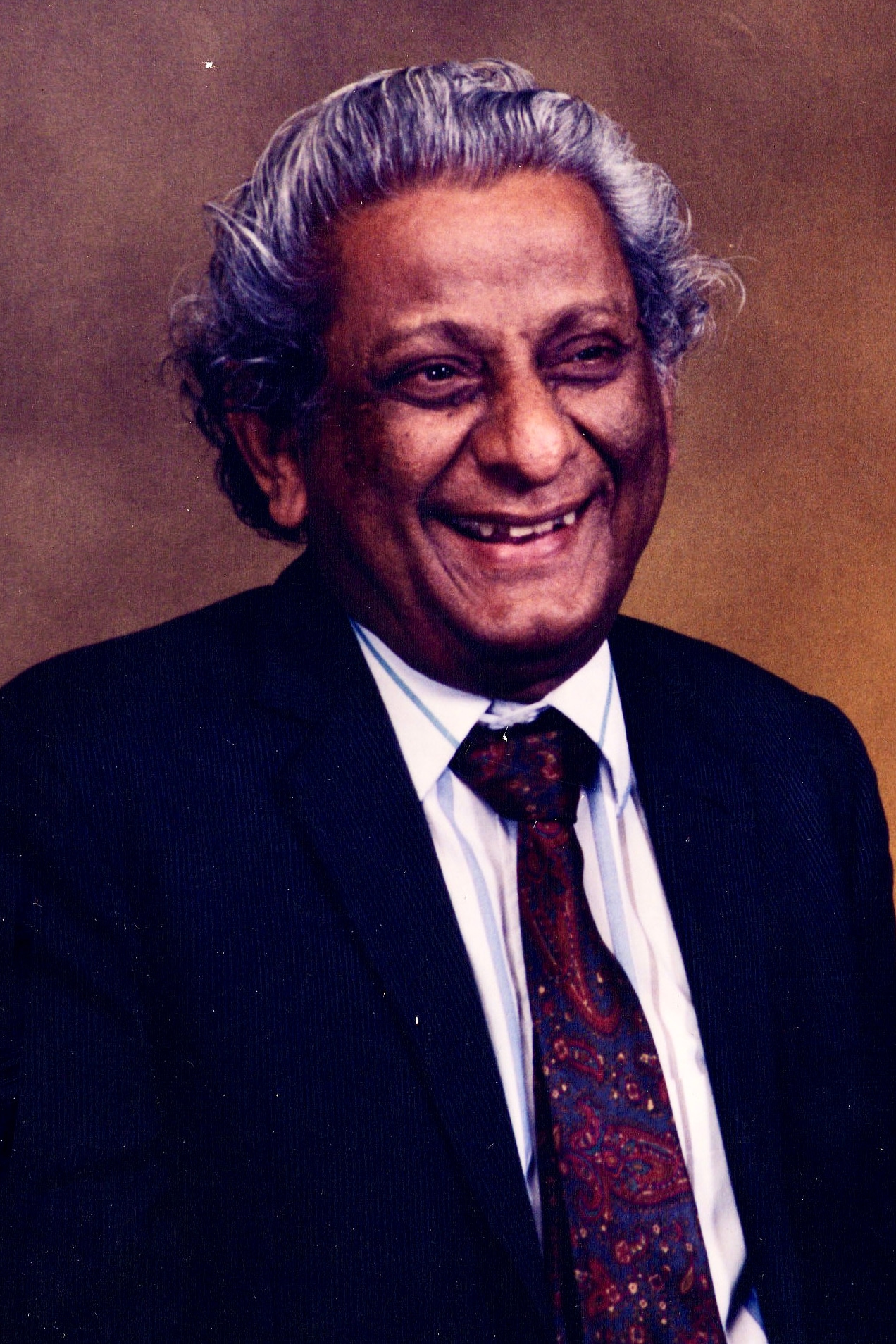
This long quote is from A Branch of the Sapling of Sorrow: A Life Story (Shakh-e-nihal-e-gham: Ek Afsana-e-Hayat in the Urdu original), the English translation of the political autobiography of Ali Amjad, one of the three main organisers of the historic strike at Tata Iron and Steel company on 2 May 1958. The other two organisers were Kedar Das and Barin De. Satyanarayan Singh, one of the founders of CPI(ML) in 1969, was also with them. Ali Amjad, a member of the national council of CPI, an almost forgotten labour leader in India today, migrated to Pakistan after police harassment and went on to become one of the top labour and civil rights lawyers there. His novel, Kali Mati (1999), on the 1958 strike is a breakthrough in Urdu literature.
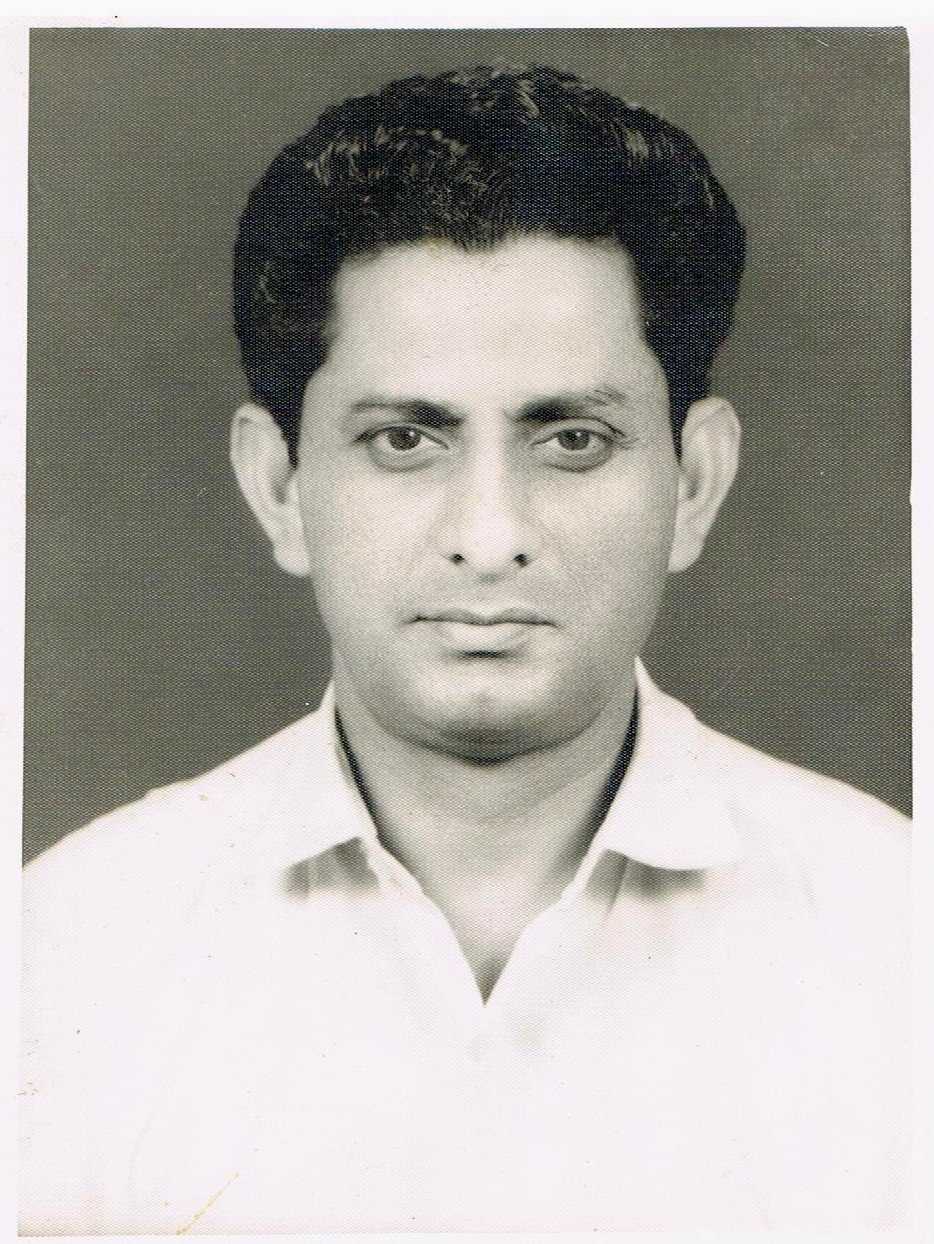
Born in an educated Patna family on 23 December 1924, Ali Amjad’s elder brother Ali Ashraf was the first general secretary of the Bihar unit of the All India Student Federation and one of the founders of CPI there. His sister Zahra Daudi and brother-in-law Habibur Rahman Daudi too were members of undivided CPI although both later migrated to Karachi. Amjad died on 23 December 2005. Shakh-e-nihal-e-gham: Ek Afsana-e-Hayat was published the following year.
The memoir looks dispassionately and through a Marxist lens at the period from the run up to the partition of India until the dismemberment of Pakistan and its aftermath. The author mainly places the CPI leadership in the interrogation box with the high point being his reminiscences of unflinchingly committed but almost forgotten comrades. His critical observations of famous politicians and his vision of Pakistan as a failed state are revealing. The book has scores of invaluable insights but I will focus on just a few in this review.
Ali Amjad writes that after the armistice with President Ayyub Khan in Tashkent in 1966, the Indian Prime Minister Lal Bahadur Shastri ‘realized that he would be received by the country with black flags... so distraught that he had a heart attack’. Shashtriji did indeed succumb to a massive cardiac arrest.
The author remembers Nakshatra Malakar, who spent many years in jail during the colonial era. ‘The jail keepers were so terrified that they would change his cell every night fearing that he had been working on cutting iron bars in his cell to make an escape soon’. At Buxar Central Jail, in the late 1940s, he first met Malakar, a fugitive who had been eluding the police when the CPI was banned. ‘Short in height, a stout body, a Mali (gardener) by caste’ whose eyes reflected ‘sparkle of intellect of a firm will,’ Malakar was a staunch defender of share-croppers (bataidars) and a threat to landlords. Independent India did not view him in a kinder way and Malakar served a life sentence from 1952 to 1966.
Amjad Ali writes also of Purnendu Majumder, a sterling trade union organiser, ‘the most effective practical revolutionary although… not much liked in the party circles’ who was so competent that ‘in the rockiest of situations, he would be successful’. From organising factory workers of Bata Shoe company outside Patna to setting up ‘a red flag union among iron ore and manganese workers of Jamda and Gua,’ he always triumphed. ‘He stayed with those indigenous tribal workers for months and even learnt to speak their native languages’. He calls non-party labour leader Nirmal Bose who also worked among manganese miners ‘another eccentric much like Purnendu Majumder’. Bose led a protracted strike of manganese miners, mostly women, and persuaded the police boss to remain calm for their safety.
Amjad became a member of the CPI on the same day as Indradeep Sinha and Ram Avtar Shashtri, both former MPs, but was on the same wave length in his political perceptions as Jagannath Sarkar during whose leadership the CPI built its strongest base, both parliamentarily and organizationally, in Bihar. Now the party is facing a grave identity crisis. His cynicism towards CPI leaders is explicit. PC Joshi, CPI general secretary during the Quit India period, he wrote, spoke ‘like a staccato firing from the machine gun. Bullets of words, one after another, landing on you haphazardly’. While being an admirer of Joshi, especially for his outreach to the rank and file, he points out that the CPI leadership even persuaded some comrades to work within the Muslim League.
During his 36 years in Pakistan, Ali Amjad found Left-leaning leaders repenting the partition of India. In 1971, when police cracked down on the movement for autonomy (prior to suppression by the Pakistani Army) in East Pakistan (now Bangladesh), Zulfiqar Ali Bhutto stated in Dhaka, ‘Thank God. Pakistan has been saved’. It was not saved. National Awami Party (Wali Khan group) president Ghaus Baksh Bizenzo said ‘The truth is that when India was being partitioned, we opposed it at that time, but no one paid us any heed, and today when Pakistan was breaking up, we are opposing it.’ He blamed West Pakistani power mongers, not Shaikh Mujibur Rahman. Such clarity was missing among Pakistani communists like Jamal Naqvi.
While praising the translator Arif Ansari’s effort, I have to add that the book needed more editing.
Sankar Ray is a writer and commentator on Left politics and history, and environmental issues. He lives in Kolkata


