
 E-Paper



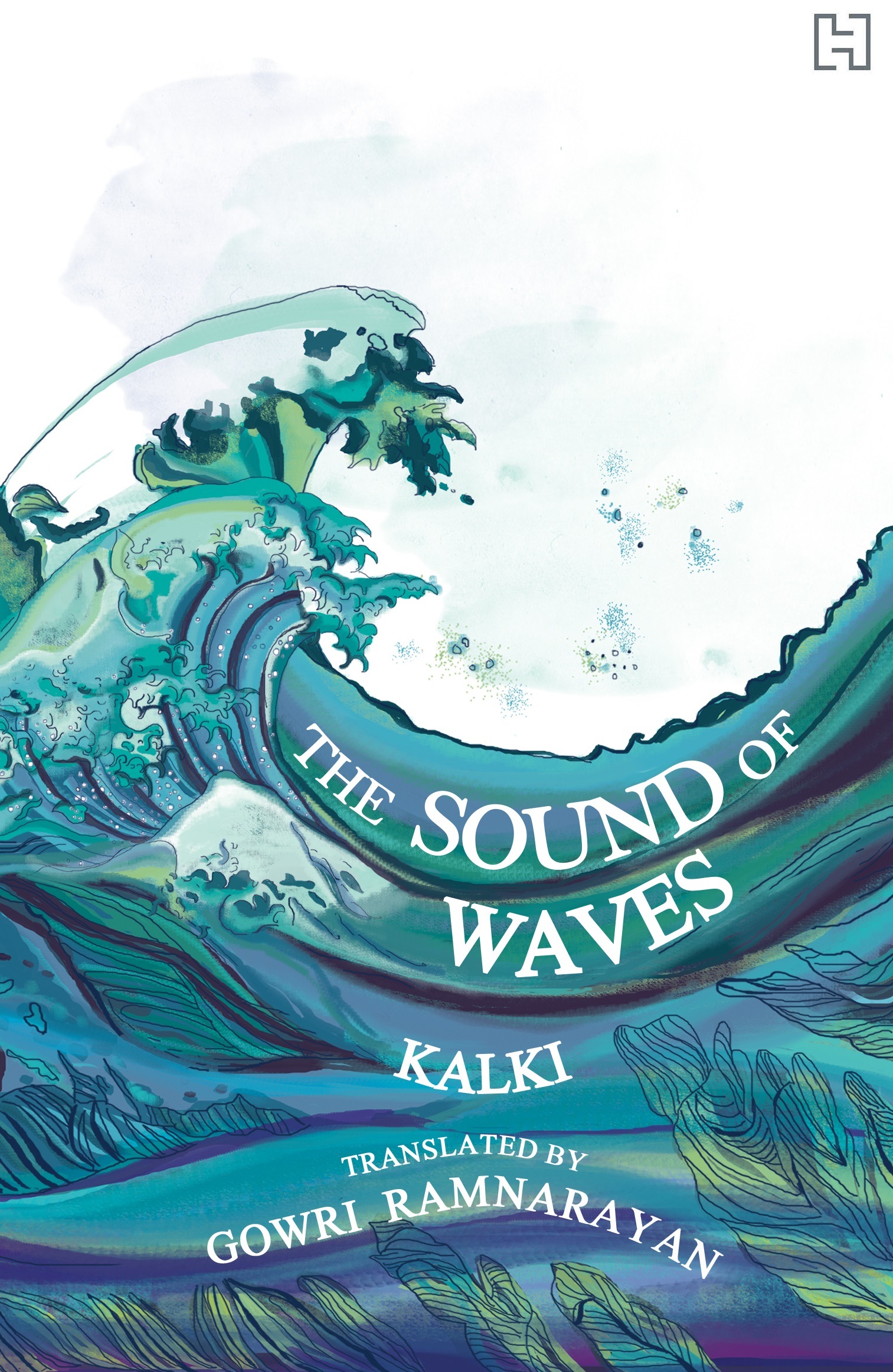
Review: The Sound of Waves by Kalki, translated by Gowri Ramnarayan
This English translation of a best selling Tamil novel first published in 1948 provides a picture of India on the cusp of freedom

 Prefer HTon Google


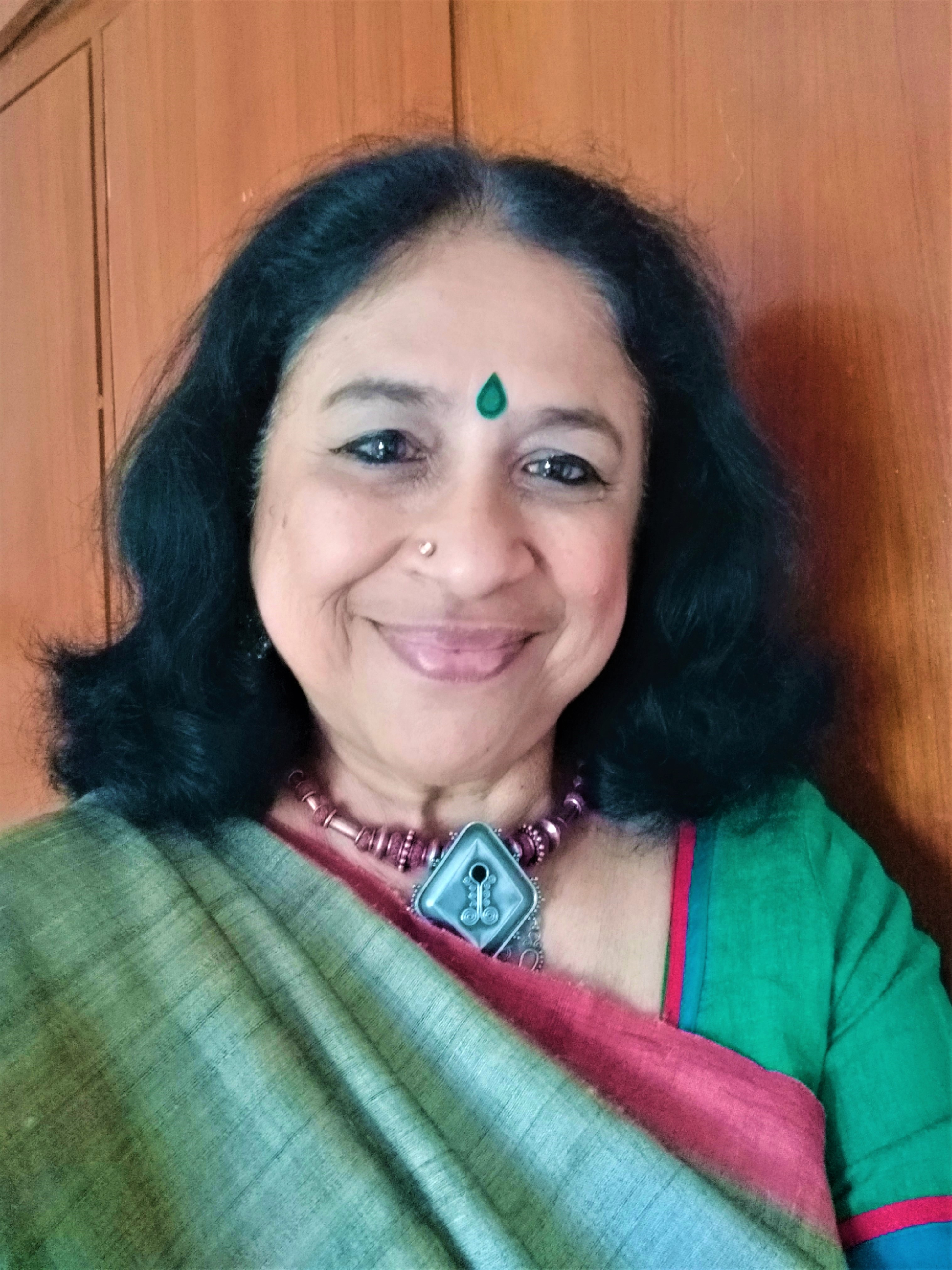
During the pandemic in 2020, playwright, theatre director and journalist Gowri Ramnarayan read Alai Osai (1948) by her grandfather ‘Kalki’ R Krishnamurthy, a pioneer of modern Tamil literature and journalism. The book’s chapters were serialized in Kalki magazine whose circulation in the 1950s was higher than that of any newspaper or magazine in any language in India. Ramnarayan, who believes the best selling novel has a resonance beyond the Tamil realm, decided to translate it into English.
Written against the panoramic backdrop of India’s struggle for independence, The Sound of Waves begins in 1934 with a family of Brahmins in Rajampettai village. Kitta Iyer is a liberated gentleman who believes in the importance of women’s education and that girls are entitled to an equal share of family property. His daughter Lalita and her vibrant cousin Sita, who lives in Bombay, become inseparable during a visit to the city, and write letters to each other through most of the book. Around this time, a stupendous earthquake in Bihar causes colossal destruction to life and property.
The novel’s arrogant hero, Saundara Raghavan, works in the revenue department of the British government in India. While in Karachi, he meets Dharani, a volunteer at the Congress Session there. After a three-year courtship, Dharini breaks Raghavan’s heart when she rejects his offer of marriage to dedicate her life in service to the nation. Raghavan then agrees to meet Lalita for an arranged match but chooses to marry Sita instead. Dharini continues to correspond with Raghavan and write letters to him from a relief camp in Bihar. Her letters illustrate unforgettable scenes of devastation caused by the quake. Lalita, in turn, marries Pattabhiraman, the son of the family’s advocate. Sita’s cousin, Surya Narayanan, a revolutionary and radical reformist, belongs to the same socialist party as Dharini. Surya finds an equal in Dharini even though Raghavan continues to pine for her.
Set during a time when “the white man’s rule” is soon to be replaced by the country’s own independent government, the novel, divided into four parts entitled Earthquake, Hurricane, Volcano and The Deluge which coincide with several historic incidents, captures the transition. “Railway porter will turn governor. A mason from a factory will become the governor general. A postman will be prime minister,” Surya aptly echoes the sentiment of the time. To the contemporary reader, the book also highlights some forgotten aspects – Raghavan considers converting to Islam as many government jobs at that time were reserved for Muslims!
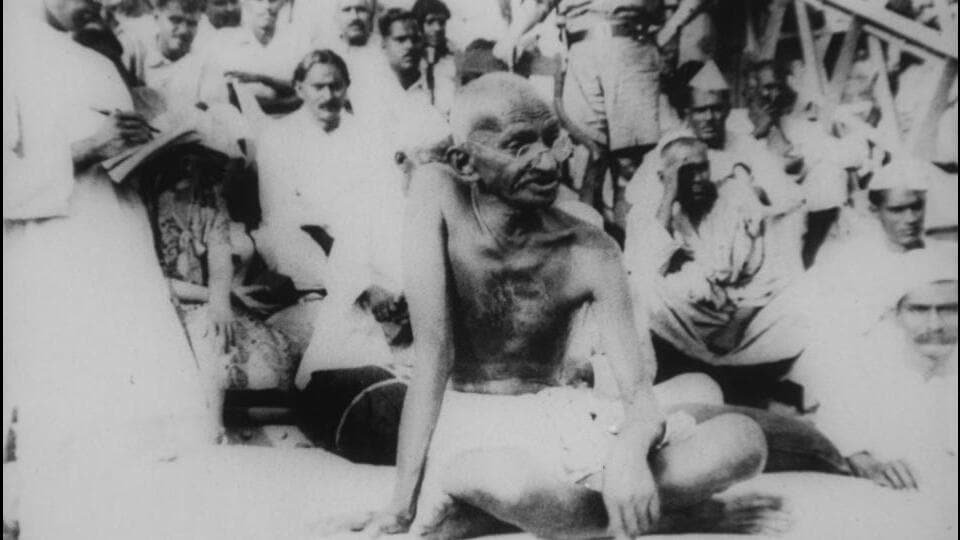
Considering R Krishnamurthy quit school in response to Gandhi’s call for non-cooperation, it is quite apposite that the leader’s satyagraha and ahimsa form the axis of this novel. However, through Raghavan’s character, he also reflects on people’s differing opinions about Gandhi. The author’s own experience as a young volunteer at the national sessions of the Congress and as a journalist covering political events comes through in the content that takes the reader from rural Tamil Nadu to the cities of Madras, Bombay, Karachi, Delhi, Agra, Lahore, Panipat and Haripura and to the fictional town of Devapattinam and a royal state in Rajasthan called Rajnipur.
Parts of the novel work as a potted history and also as a postcard from the north for Tamil readers who might have been unfamiliar with that part of the subcontinent. When Sita and Raghavan move to Delhi after their marriage, there are vivid descriptions of Delhi’s ruined forts, mosques and graveyards, and mentions of iconic city spots such as the Connaught Circus, India Gate, Red Fort, Qutub Minar and Jantar Mantar. The author also dedicates an entire page to describing the historical exploits of everyone from Taimur to Nadir Shah, Ahmad Shah Abdali, the Scindias, Holkars, Rohillas and the British in “Silver Street” or Chandni Chowk, once the richest street in the world. In a similar vein, he also explains the history of Panipat, famous for being “the combat zone for the three great battles that changed the direction of Indian history.” Further, on a sightseeing trip to Agra, readers experience monuments such as the Taj Mahal and Agra Fort. On the same visit, the central characters go to the nearby village of Rajnipur, filled with palaces, gardens and a lake. On a boat ride, Dharini saves Sita’s life when she falls into the water, and they become close friends. Here, they also encounter a mysterious person known as “the madwoman of Rajnipur” who becomes a crucial element in the story. Towards the end of the book, Sita and Dharini discover that a stronger bond intertwines their lives.
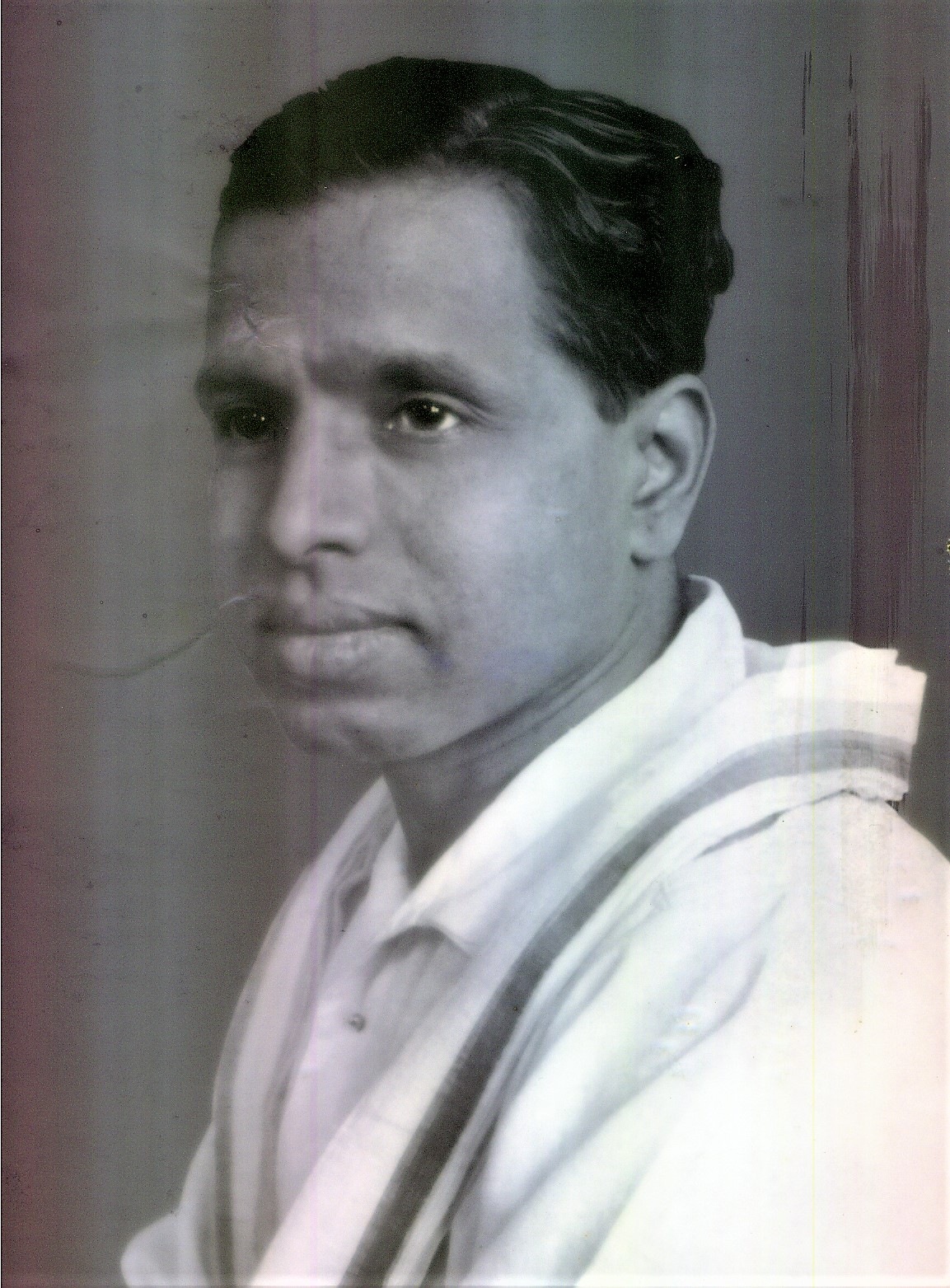
As a child, the author once nearly drowned in a village pond and images of being submerged under waves are a recurrent motif in his books. “When a man drowns in the sea, they say he sees his entire life pass before his mind’s eye like moving scenes on the silver screen,” he writes. The story ends after India gains independence, the horrors of Partition unfold, and Gandhi is assassinated.
At 644 pages, this is definitely a hefty work but it is also one that manages to grip the reader with its many twists and turns.


