
 E-Paper



Sahir Mehta: “Art is essential and eventually outlasts its oppressors”
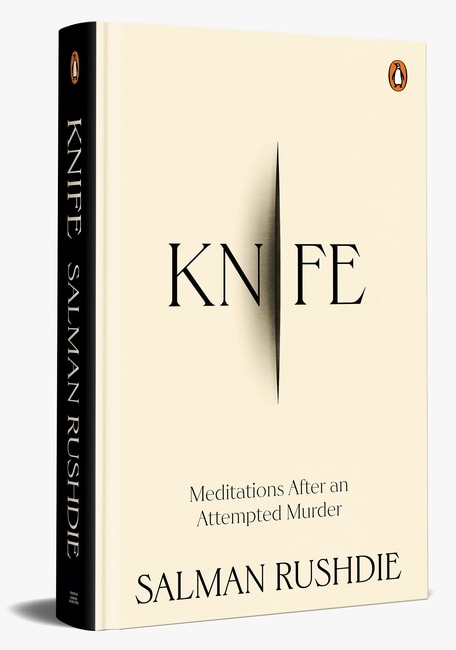
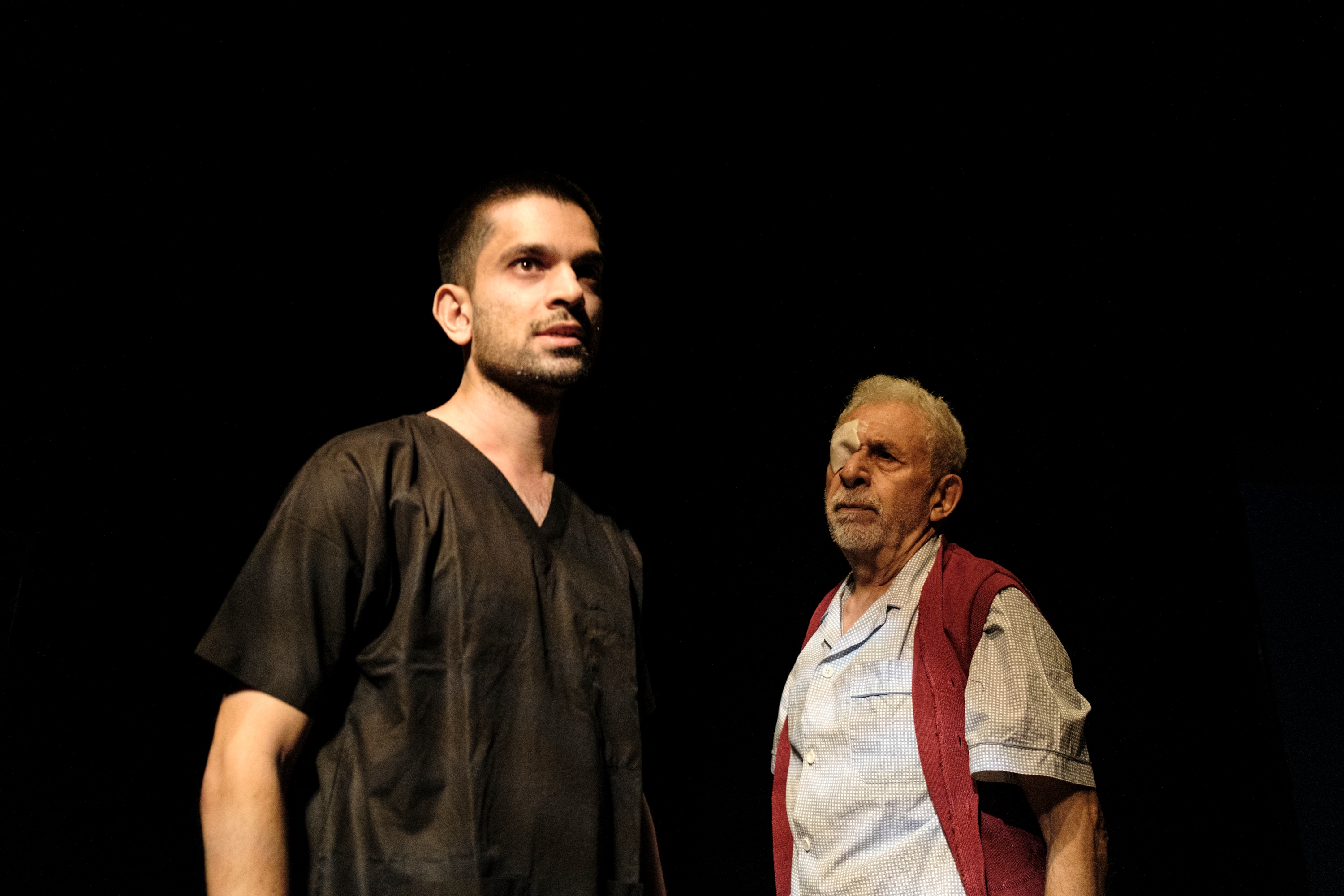
27 Seconds, a play based on Salman Rushdie’s memoir, Knife: Meditations After An Attempted Murder (2025), premiered at the Prithvi Festival in Mumbai this month

 Prefer HTon Google


27 Seconds, a play based on Salman Rushdie’s memoir, Knife: Meditations After An Attempted Murder (2025), premiered at the Prithvi Festival in Mumbai earlier this month. Here, the actor, who plays the man who stabbed the novelist in 2022, talks about working with Naseeruddin Shah, and about getting in and out of character.
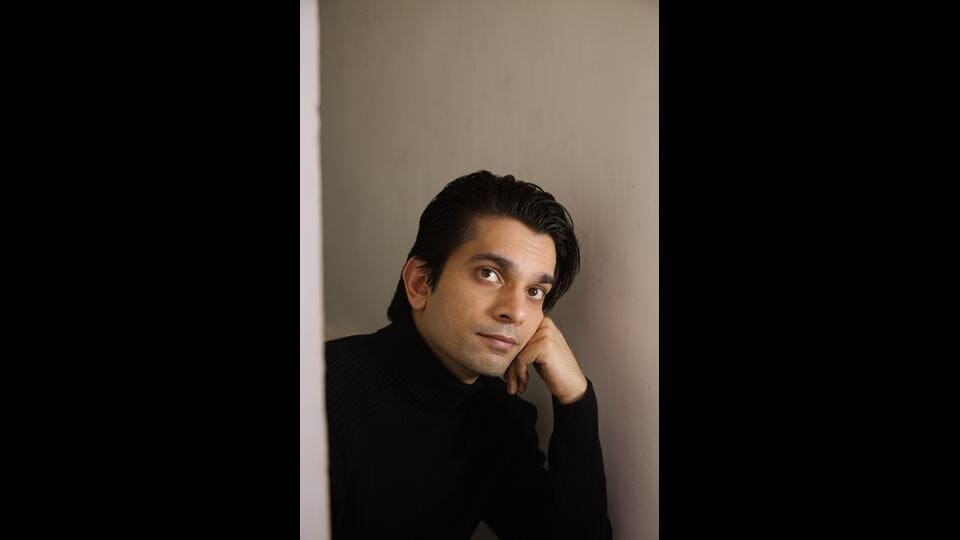
Why did you choose to accept the role of Hadi Matar — the attacker called ‘A’ in the book and play — who stabbed Salman Rushdie at the Chautauqua Institution in New York?
First and foremost, because it was an opportunity to act alongside Naseer sir (Naseeruddin Shah, who plays Rushdie). It was a dream I’ve had since I first started doing theatre 12 years ago in Delhi. Also, I really wanted to play a villain. In these 12 years, I have been asked to be the bad guy precisely once before, so I was chomping at the bit to explore something like this.
How did the process of working on this play challenge and nourish you as an actor?
It challenged me because A’s belief system is completely antithetical to my own, and to most people’s. Bridging that gap to find conviction and truth in the performance required work. At the same time, it was the most nourishing part as well. This play gave me an opportunity to access a life far from my own; to let my imagination roam free, and bit by bit, build a performance in collaboration with everyone in the room. As an actor, that’s the best part, closely followed by validation from strangers — people you’ve never met before and will likely never see again.
Having played this character, are you better able to understand the mindset of a person who can go to the extent of killing someone to fight back a perceived attack on his religion?
100 per cent! I feel so sorry and have deep empathy for A and others like him. Coming to the heart of it, these are usually young guys who don’t have anything that we as human beings desperately need. They have no purpose or love. They carry a deep sense of rejection and a feeling that the world has been unfair to them. Religion comes in as a lifeboat then. It gives them something to hold on to. You can completely understand why one would cling on. Dangerously though, it can be misinterpreted; it can be moulded to let your anger grow and fester, and ultimately even give you some warped justification to lash out. This, inevitably, solves nothing. It just leaves more pain and suffering for those who are unfortunate enough to be involved.
Did the experience of portraying A make you examine your own relationship to faith?
I don’t know if it did. My own relationship to faith is deeply personal and stable. My entry into this character had more to do with his perceiving injustice in the world, getting angry about it, and wanting to take action to make things right, coupled with his feelings of loneliness that I mentioned. I found this approach far more relatable than thinking of it purely in terms of faith.
What does Salman Rushdie’s work as a writer mean to you? Which of his books have made an impression on you?
I’m not sure if I should admit this but I guess honesty is the best policy. Knife is the first and only Salman Rushdie book I’ve read. You caught me! One has obviously heard of The Satanic Verses and Midnight’s Children. In fact, one of my first auditions in Mumbai was for a web series based on the latter. I don’t think it ever got made. But I enjoyed Knife thoroughly, and it definitely has carved open a want to read more of Rushdie.
What sort of emotional journey did you go through while reading Knife?
I read Knife alongside my notebook, which I used to make notes for the play and my character. Soon I got so sucked in that my notes became increasingly sparse. By then, I was reading the book for its own sake and not because of the play. Despite the horrific event that it is based on, Knife somehow left me feeling uplifted and hopeful. Rushdie’s fighting spirit, the generosity of all those who helped along his road to recovery, also the love of his friends, family, and even strangers, which ultimately triumphs as evidenced by his writing this book… These are all beautiful reminders of the immense good of the human spirit. That, alongside his message about art’s ability to endure and its importance, is ultimately what stuck with me.
The play, which premiered at the Prithvi Festival in Mumbai, ends by naming people across the world who were killed because of their association with Satanic Verses. What do you make of the price paid for artistic freedom?
It is a great and unfortunate price humanity keeps paying, again and again; and it’s sadly cyclical if you look at the history of the world. We never fully learn. We have phases of great artistic freedom and then we seem to reset. Even right now, we have this illusion of unprecedented artistic freedom. It appears easier than ever to put your art out with social media and the like, but the consequences for saying anything even remotely out of turn, from both institutions and even our fellow citizens, is far more severe than I remember growing up in the 2000s. And yet, despite this cyclical nature, it is a battle worth waging again and again. My favourite lines in the play — I won’t quote them directly because they sound better in the theatre — basically communicate just that; the fact that Art is essential and eventually outlasts its oppressors.
How did your formal training at the Bristol Old Vic Theatre School help you maintain a healthy distance from the character to protect your own mental health?
I remember this story from when I was in drama school in the UK. I was playing Hamlet for a class project and was so excited and so keen to do a good job that I had resolved to be in character as much as I could, for the couple of months we were working on it. One of my favourite teachers, Olly, could see how I was torturing myself and at the end of one rehearsal took me aside and said ‘You know it’s all pretend, right?’. That has stayed with me ever since.
I don’t think you are trying to distance yourself from the character, no matter how messed up they may be. You are, in fact, doing the opposite. You are trying to find the character within you. Giving voice to all your dark and hidden away impulses to play this damaged, angry, violent person. That’s the way you make it truthful. That’s also what reassures you that you don’t need to hold on to anything beyond rehearsal.
People try hard to remain ‘in character’ out of the fear of losing it. But if the character is just another version of you, I mean it looks an awful lot like you and uses the same body, mind, and heart, then you don’t need to be afraid. Then it already exists within you and you can let go as soon as you are off stage and remember ‘It’s all pretend’. That thought process frees me up to feel all I need to while playing the part, and then leave it all behind when I am not.
It was your first time working with Motley, the theatre group co-founded by Naseeruddin Shah and Benjamin Gilani while working on Shyam Benegal’s film Junoon. Tell us about the rehearsals, and the support you got from your director and co-actors.
Rehearsals were intense and strenuous but in the best kind of way. We had a mix of Motley regulars and newbies in the group. Making my Motley debut, I must say, the OGs went out of their way to make us feel comfortable and like we belonged. There was a real sense of camaraderie we shared throughout the three-month rehearsal period. This meant that one could fall, and trust that the rest would pick you up, which is so important for the creative process.
It is always difficult to fail or look foolish in front of other people but the 27 Seconds team made it easier. At the same time, our co-directors (Naseeruddin Shah and Arghya Lahiri) kept us honest and on our toes. Arghya made sure we treated every single run as a show, which meant you brought in a 110% every single day in rehearsal. Naseer sir would constantly throw new ideas at me that made the whole character so much more interesting and alive.
On certain days, he would also have us do different exercises away from the play. Basically, we were getting an acting masterclass from the greatest actor in the country. It doesn’t get much better than that. Beyond that, the example he set with the passion, labour, and skill he brought to his own role was so inspiring and kept me constantly striving to keep getting better.
I also would like to name check Vijay Tilani with whom I am sharing shows. He plays a wonderful A as well. On car rides back home, we would swap notes, insights, and give each other feedback. The perspective he could give me as another actor preparing for the same role at the same time, was truly precious. The fact that he was so generous with me underscores and exemplifies what a cohesive unit we all were. It was a blessing to be a part of it.
Chintan Girish Modi is a journalist, educator, literary and art critic, who also writes fiction, essays and poetry. He has contributed to various anthologies, including 101 Indian Children’s Books We Love (2013), Borderlines: Volume 1 (2015), Clear Hold Build (2019), Fearless Love (2019), and Bent Book (2020). He can be found @chintanwriting on Instagram and X.


