
 E-Paper



Why pulses and vegetables will continue to cost higher in India amid heatwave?
Vegetable prices may from August onwards if the monsoon revives and covers the entire country as per the usual schedule.

 Prefer HTon Google


Food inflation in India has remained at around 8% year-on-year since November 2023. It is unlikely to ease any time soon despite early arrival of monsoon rains and forecasts of above-normal rainfall in the country. Owing to this, headline inflation is above the central bank's target of 4%.
Read more: India Post SMS scam can steal your data , government warns: ‘Have you received an SMS…'
What is driving food inflation higher?
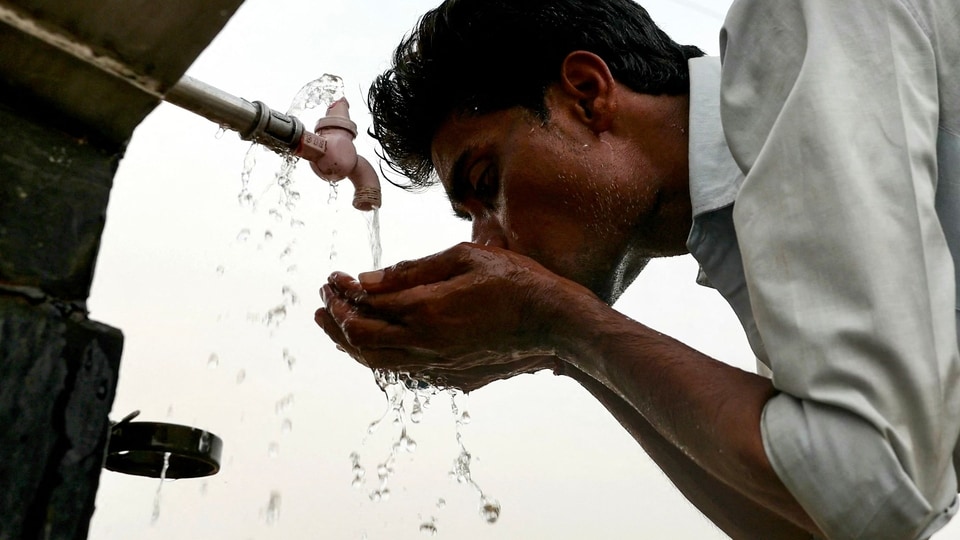
Heatwave in India has significantly reduced the supplies of foods like pulses, vegetables, and cereals so much so that curbs on food exports and reducing tariffs on imports have had little effect. Even though vegetable supplies usually decrease during the summer months, this year's decline is much greater as temperatures in nearly half of the country are up 4-9 degrees Celsius above normal.
Read more: Zomato to not deliver your orders in plastic containers? Deepinder Goyal's reply
Will Monsoon help in reducing the prices?
Monsoon's initial momentum soon waned and has resulted in a 18% rainfall deficit so far this season. The weakened monsoon has also delayed the planting of summer-sown crops which can only take place at full pace with sufficient rainfall. Weather office has forecast above average rainfall for the rest of the monsoon season.
When will prices come down?
Read more: Stanley Lifestyles IPO opens for subscription today: 8 things to know
Vegetable prices may from August onwards if the monsoon revives and covers the entire country as per the usual schedule. However, prices of milk, cereals and pulses are unlikely to decrease due to tight supplies. Rice prices may increase as the government raised the minimum support price of paddy rice by 5.4%. Sugar prices are likely to remain high as next season's production is expected to fall.


