
 E-Paper



How ‘thikri pehras’ worked wonders in Jhajjar
“Thikri pehra and the efforts of local administration acted as a shield which prevented the spread of the pandemic in Jhajjar,” the spokesperson said.


The coronavirus disease (Covid-19), thus far, has spared the people of Haryana’s Jhajjar district. Even as the district shares its boundaries with Delhi and Gurugram, where the infection has been rising steadily, Jhajjar has remained safe from the threat of the virus at least during the first spell of the lockdown.
So what may have helped in stopping the virus spread.
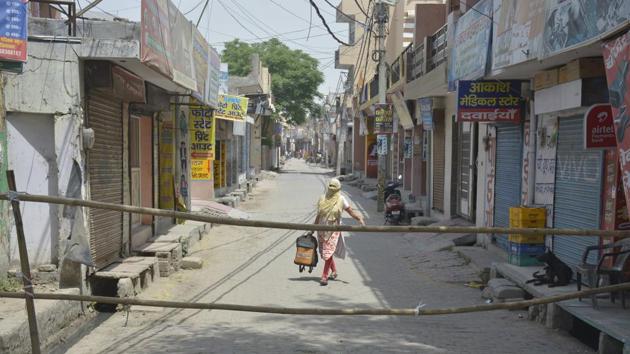
“One of the reasons behind Jhajjar evading the virus is the age-old practice of ‘thikri pehra’ that the administration started soon after the initial cases of outbreak emerged in its neighbourhood,” said a Haryana government spokesperson. The government also appreciates the ‘discipline’ of people during the lockdown, coupled with effective arrangements made by the district administration.
Even before the ‘Janata Curfew’ on March 22, the ‘thikri pehra’ was in place in the district.
“Thikri pehra and the efforts of local administration acted as a shield which prevented the spread of the pandemic in Jhajjar,” the spokesperson said.
All grocery stores, vegetable shops, hawkers and milk distributors were identified and registered well in time, he said. Grocery and vegetable vendors of the entire district were classified into 306 groups and collective passes issued to them for their work-related movement.
A survey of about 75,000 labourers and 6,500 brick kiln workers was also conducted by the district administration, which facilitated it to keep tabs on them.
As many as 1,200 migrant workers, including children and women, have taken shelter in 24 relief camps in Jhajjar, Beri, Bahadurgarh and Badli.
“All boundaries of Jhajjar district were sealed to prevent the movement of people and 75 nakas were put in the urban and rural areas,” the spokesperson said.


