
 E-Paper



Lockdown delays introduction of male tiger at Ludhiana safari
2 newly introduced Bengal tigresses remain without mate


The 21-day nationwide lockdown imposed to arrest the spread of coronavirus disease (Covid-19) has also delayed the introduction of a male tiger at the Ludhiana Tiger Safari in Amaltas village near the Jalandhar Bypass.
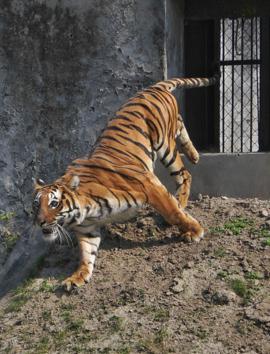
The last male tiger at the zoo, Mani, had passed away on March 7 at a ripe old age of 18. Meanwhile, the two three-year-old Bengal tigresses – Chirag and Inchara - were introduced to the zoo in the second week of January from Chhatbir Zoo remain without a mate.
In 2013, the zoo had lost three tigresses - Mohini, Elaichi and Shanti - in a span of a few months, leaving only two male tigers Deepak and Mani in zoo. Both tigers and one of the deceased tigresses were diagnosed with leptospirosis, a bacterial infection that attacks the liver and kidneys.
Subsequently, the state government had decided not to introduce any new tigers in the safari till the infection was completely wiped out.
Deepak, had died on December 19, 2019, also at the age of 18.
Zoo authorities say the lifespan of tigers in captivity is 15-20 years.
Following the arrival of two tigresses, Mani had been housed in a separate gallery and not released in the safari as a precautionary measure.
Mani was born at the Ludhiana zoo itself on June 23, 2002 to a tiger couple Pintu and Rita.
Expansion on hold
Initiatives to introduce a variety of bird species such as and bringing blackbucks from Abohar have also been put on hold.
Zoo in-charge Narinder Singh says, “We have many interesting plans in the pipeline but they are on hold due to the lockdown. We hope the situation normalises soon and we are able to introduce blackbucks and new birds to the tiger safari.”
The zoo authorities had to face some difficulties in arranging the animals’ feed during the lockdown, Singh says, “In the first two days of the lockdown, we had to sort out issues in the supply chain and had to seek travel approvals for transportation of feed.”
“Nowadays, we receive supply of raw meat every three days. We also maintain a refrigerator with around three quintals of animal feed as a contingency. We have adequate fodder,” he said.
Entry to the zoo had been restricted on March 17 in the wake of Covid-19 outbreak.
Recently, an animal adoption scheme had been launched under, which any resident could adopt an animal or bird kept in the zoo by paying an annual care taking fee and could also avail a tax benefit for their trouble.


