
 E-Paper



Bengaluru civic body to use AI for property tax crackdown, doorstep khata delivery from April
DK Shivakumar said that the initiative to deliver khata at people's doorsteps will be rolled out from April.

 Prefer HTon Google


The Bruhat Bengaluru Mahanagara Palike (BBMP) will now use artificial intelligence to deliver property documents to the doorstep and to identify illegal constructions, Karnataka Deputy Chief Minister DK Shivakumar announced on Monday.
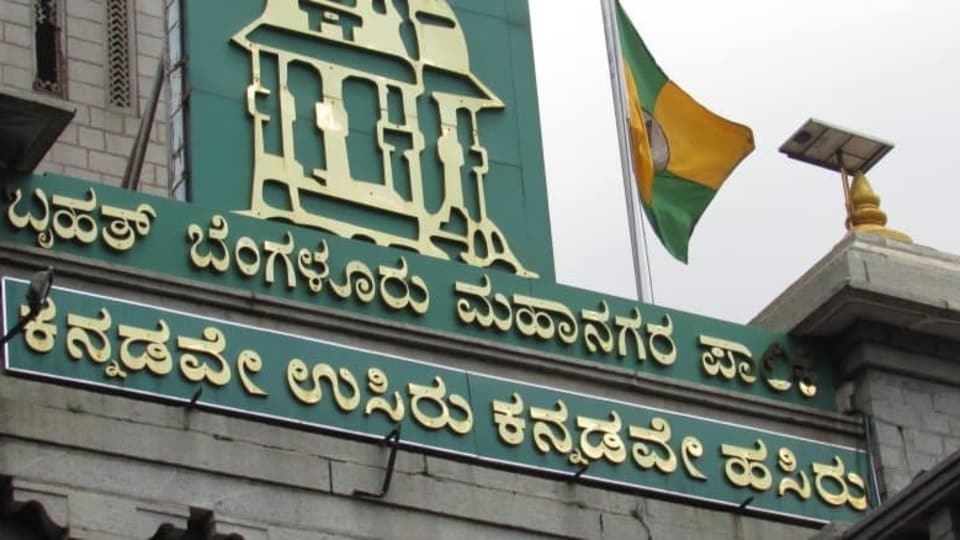
Shivakumar was addressing a press conference after a meeting with legislators of Bengaluru on BBMP budget 2025-26, he said, "Many property owners have built excess floor areas without a legal sanction. And, they are not paying proportionate taxes as well. We will use artificial intelligence to identify and measure such illegal constructions", news agency ANI reported.
He said that property tax was not paid on about 7 lakh properties, of which one lakh have been brought under tax bracket. "The remaining needs to be brought under tax bracket. The BBMP did not have the power to attach illegal properties, but a law has been passed regarding that last week. It has also been decided to declare even private roads in private layouts as public roads," he explained.
"I have instructed senior officials to suspend those BBMP officials who are hand in glove with owners of illegal properties. All properties must pay taxes and there is no compromise on that. Some of the MLAs have suggested classifying residences as group housing and single housing while issuing approvals.
He said that the initiative to deliver khata at people's doorsteps will be rolled out from April. "All property documents have been digitised. We will conduct awareness programmes in association with the MLAs of the respective constituencies," he informed.
(Also Read: Bengaluru man killed by wife, mother-in-law over suspected affairs, business fraud; body found abandoned in car)
BBMP crackdown
Bengaluru’s civic body, the Bruhat Bengaluru Mahanagara Palike (BBMP), has intensified its efforts to recover pending property tax dues, targeting 1.73 lakh chronic defaulters who collectively owe ₹390 crore.
According to Munish Moudgil, BBMP’s Special Commissioner (Revenue), a total of 3.49 lakh property owners have failed to pay their dues out of the 20.5 lakh registered taxpayers in the city.
Of these, 1.76 lakh have defaulted only for the current year, while 1.73 lakh have repeatedly failed to pay their taxes over several years, making them chronic defaulters.
(With ANI inputs)


