
 E-Paper



Bengaluru’s 200 tonnes of daily waste now generate clean power for 25,000 homes: Report
Bengaluru's Bidadi Waste-to-Energy plant processes 200 tonnes of dry waste daily, generating 11.5 megawatts of electricity for 25,000 homes.

 Prefer HTon Google


Bengaluru, which produces nearly 6,000 tonnes of mixed waste every day, is taking a major step toward sustainable waste management.
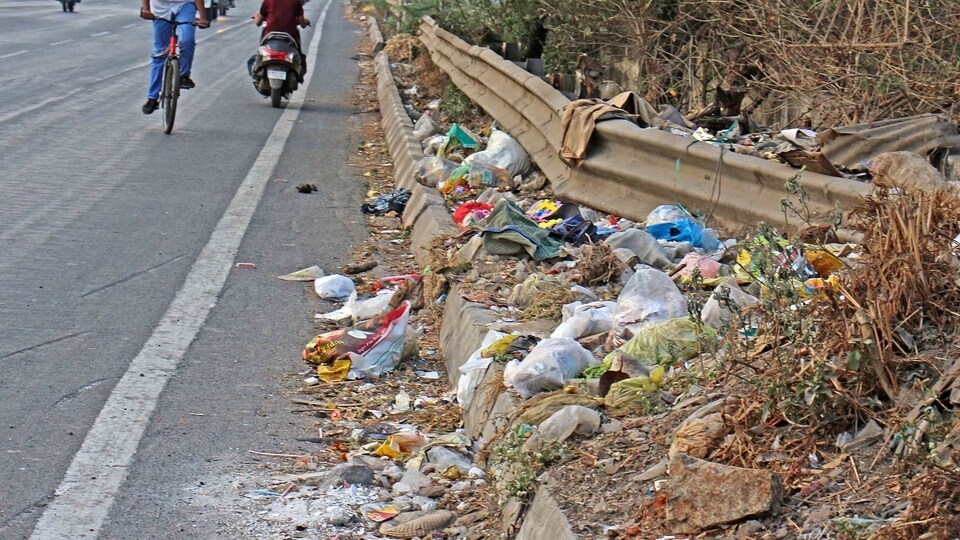
The Bidadi Waste-to-Energy (WTE) plant in Ramanagara district is now processing about 200 tonnes of segregated dry waste daily, helping the city generate clean electricity and reduce its dependence on landfills, Times of India reported.
According to Bengaluru Solid Waste Management Limited (BSWML) CEO Kareegowda, the steady supply of segregated dry waste has enabled the plant to produce around 11.5 megawatts of electricity each day, enough to power nearly 25,000 households, assuming an average daily consumption of five units per home, the report further added.
(Also Read: Bengaluru ‘dirt bike’ adventure: Viral Panathur video shows techies riding through trenches)
Spread across 163 acres, the Bidadi plant was set up by Karnataka Power Corporation Limited (KPCL) at a cost of ₹314.7 crore, under a Design, Finance, Construct, Operate and Transfer (DFCO&T) model. The project is jointly funded by KPCL and the Greater Bengaluru Authority (formerly BBMP).
As segregation practices improve, officials report that the number of compactors carrying waste to landfills has dropped from 390 to 340 in the past month, a sign that more waste is being scientifically managed. Bengaluru’s garbage is composed of around 35% plastic, with high-grade plastics recycled through dry waste centres and low-grade plastics diverted to the Bidadi plant for energy recovery.
Since it became operational in June 2024, the facility has already processed 1.68 lakh metric tonnes of waste and generated 54.3 million units of power.
Energy Minister KJ George hailed the Bidadi plant as a model for sustainable urban management, noting that it “converts waste into clean electricity while addressing the city’s disposal crisis.” He added that even the ash generated from the process will be used for road construction, ensuring full resource recovery and zero waste.
Officials believe that the Bidadi project not only demonstrates how urban waste can be turned into a valuable energy source but also signals a gradual shift toward a cleaner, landfill-free Bengaluru.
(Also Read: Ernakulam–Bengaluru Vande Bharat to launch on Nov 8, cut travel time by 2 hours. Check details)


