
 E-Paper



Karnataka facing acute power shortage as demand surges due to deficit rainfall
Energy available for the current year is reduced by approximately 3,000 million units (that’s approximately four per cent of the state’s annual demand).

 Prefer HTon Google


Karnataka is facing an acute shortage of approximately 1,500-2,000 MW, and at present the state is facing an extraordinary situation of high-power demand due to deficit rainfall, according to the Energy department.
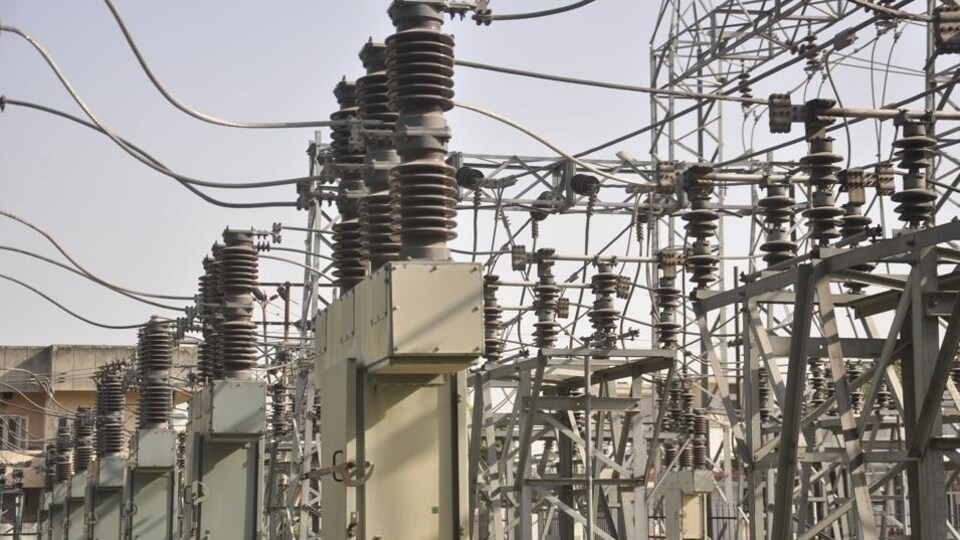
The state is realising an unexpected demand of more than 15,000 MW in October.
Energy available for the current year is reduced by approximately 3,000 million units (that’s approximately four per cent of the state’s annual demand).
The deficit rainfall in the state has increased demand for agricultural IP (irrigation pump) loads as the farmers to save their crops, started using the IP sets earlier than the regular season, it said in a note explaining the power situation in Karnataka.
Due to the absence of normal monsoons in the state, a surge in demand is being experienced. Except for the last two weeks in July, the monsoon was highly in deficit for the period of August and September, and this has resulted in low storage in major hydro dams in the state.
READ | Bengaluru faces power cuts all of September
The state recorded peak demand of 16,950 MW and energy consumption of 294 MUs on 25 August.
It is noticeable that the state's highest demand in August 2022 was only 11,268 MW, and also, the state's highest consumption in the same month last year was only 208 MU, it said.
During September, scanty rainfall was experienced and there was some respite in demand. However, in October, the state again faced an increased demand of more than 15,000 MW. "The state is facing a daily shortfall of 40-50 MU."
Due to sub-normal rainfall in the state, the reservoir levels are very less when compared to last year, leading to heavy dependence on thermal sources to meet the demand.
In October, it is observed that the Renewable Energy (RE - wind & solar) generation has reduced considerably. Many of the coal mines from where the state receives its coal for thermal power plants have received heavy rains due to which Karnataka Power Corporation Limited (KPCL) is receiving wet coal, resulting in frequent breakdown of plants.
"All the above adverse circumstances have led to the state facing acute shortage of approximately 1500-2000 MW," it added.
READ | BBMP opens window clearance centers for Ganesh pandal applicants in Bengaluru
To mitigate the shortfall in the power situation and to meet the increasing demand, power purchases are made through Day-Ahead-Market (DAM) and Real-Time-Market (RTM).
The state has negotiated for swapping of power from Uttar Pradesh during the pre-solar and post-solar hours to an extent of 300 to 600 MW for the period from October 2023 to May 2024; this power is to be returned to Uttar Pradesh from June to September 2024. A similar swapping arrangement has been finalised with Punjab for a quantum of 500 MW of Round-The- Clock (RTC) power from November 2023 to May 2024.
The state is proposing to procure power through a short-term tender to the extent of 1,250 MW power on a RTC basis and 250 MW on RTM as and when required (primarily for peak hours). The permission has been obtained from Karnataka Electricity Regulatory Commission (KERC) to procure power on a cap rate basis.
The department requested all consumers to assist the state in saving energy and help it tide over "this temporary phase of shortage".


