
 E-Paper



Karnataka HC rejects school teacher’s plea to quash POCSO case over filming of girl students
The case was initiated after a complaint was lodged via a helpline operated by the state social welfare department, which oversees such residential schools.

 Prefer HTon Google


The Karnataka High Court has declined to quash a Protection of Children from Sexual Offences (POCSO) case against a school teacher accused of recording videos of girl students while they were changing clothes. The accused, employed at a residential school for children from backward communities in Kolar district, is facing charges of sexual harassment under the POCSO Act.
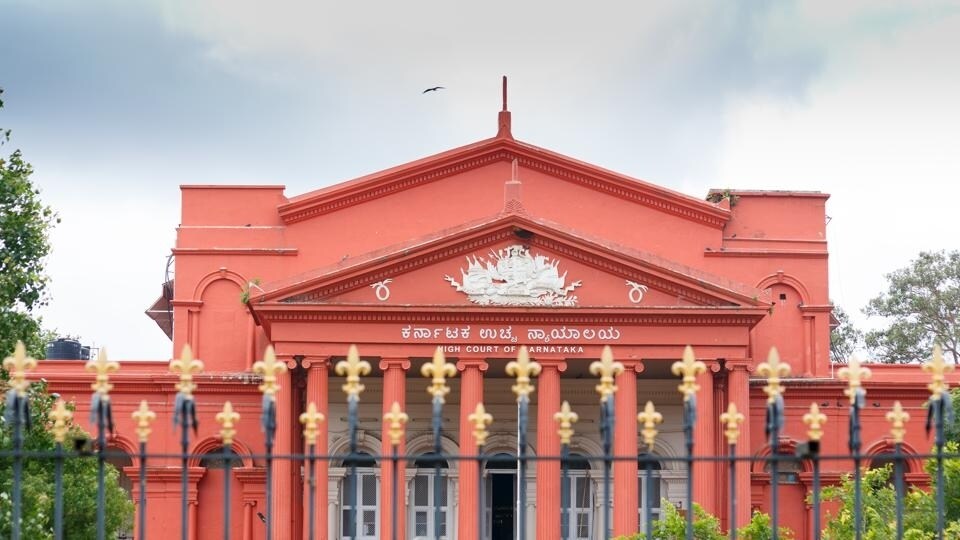
Justice M Nagaprasanna, in a recent ruling, described the teacher’s actions as “horrendous” and highlighted the severity of the charges. The teacher was arrested in December 2023 after authorities discovered he had allegedly used mobile phones to secretly record the students. "What is deeply concerning is that the petitioner was found with five different mobile phones, all of which were seized and sent for forensic examination," the court observed. "Each device contained approximately 1,000 images and several hundred videos."
The teacher approached the court, arguing that his actions did not constitute sexual harassment under the POCSO Act. The High Court rejected this claim, asserting that filming children in such a manner clearly falls under the definition of sexual harassment as outlined in the Act. "Section 11 of the POCSO Act specifies that anyone who causes a child to expose their body in a way that can be viewed by others, or makes any inappropriate gesture, is committing sexual harassment," the court noted.
"Such behaviour is punishable under Section 12." Justice Nagaprasanna further explained that the accusations against the teacher align with the legal definitions of sexual harassment, making it impossible to dismiss the case at this stage. "The evidence presented, including the complaint, the teacher’s statements during the investigation, and the forensic report, clearly establish a prima facie case," the court said.
The case was initiated after a complaint was lodged via a helpline operated by the state social welfare department, which oversees such residential schools. The court emphasised that the teacher must face trial, concluding that allowing the petition at this stage would be tantamount to condoning his actions. "The fact that the petitioner is a teacher makes this offence particularly reprehensible," Justice Nagaprasanna remarked. "The alleged actions are not just illegal, they are morally indefensible." The court ruled that the teacher must face a full trial.


