
 E-Paper



Karnataka hijab row: 'Disagree with judgement'- Asaduddin Owaisi, others react
Karnataka hijab row verdict: The matter later reached the Karnataka High Court which, on February 10, issued an interim order that said students should not wear any religious attire to classes till the end of the hearing.

 Prefer HTon Google


Union minister Pralhad Joshi welcomed on Tuesday the Karnataka High Court's ruling that a hijab (a headscarf worn by Muslim women) is not an essential practice in Islam, dismissing various petitions challenging a ban on the hijabs in educational institutions. The verdict draws a curtain on a months-long controversy that marred the southern state of Karnataka where students staged protests for not being allowed to wear hijabs in educational institutions.
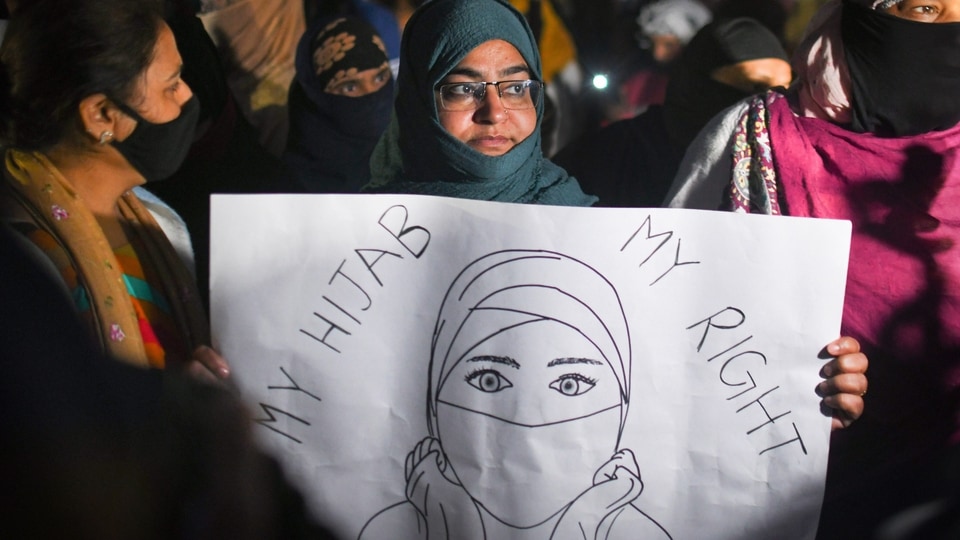
"I appeal to everyone that the state & country has to go forward, everyone has to maintain peace by accepting the order of HC. The basic work of students is to study. So leaving all this aside they should study and be united,” news agency ANI quoted Pralhad Joshi as saying.
Meanwhile, PDP chief Mehbooba Mufti called the order “deeply disappointing”. "On one hand we talk about empowering women yet we are denying them the right to a simple choice. Its isn’t just about religion but the freedom to choose,” she said in a tweet.
AIMIM chief Asaduddin Owaisi also reacted to the verdict. "1. I disagree with Karnataka High Court's judgement on #hijab. It’s my right to disagree with the judgement & I hope that petitioners appeal before SC
“2. I also hope that not only @AIMPLB_Official but also organisations of other religious groups appeal this judgement...,” he tweeted.
Former Jammu and Kashmir chief minister Omar Abdullah said: “Very disappointed by the verdict of the Karnataka High Court. Regardless of what you may think about the hijab it’s not about an item of clothing, it’s about the right of a woman to choose how she wants to dress. That the court didn’t uphold this basic right is a travesty.”
Also read | Karnataka hijab row: 3 questions the high court asked (and the answers)
Chief Justice Ritu Raj Awasthi said in the verdict: “We are of the considered opinion that wearing of a hijab by Muslim women does not form part of the essential religious practice in the Islamic faith. The answer to second is we are of the considered opinion that prescription of a school uniform is only a reasonable restriction, constitutionally permissible, which the students can not object to. The answer to the third question is that … the government has the power to issue a government order and no case is made of its invalidation."

The controversy over the hijabs erupted in December last year after students of a college in the district of Udupi alleged they were denied entry to classrooms for wearing hijabs. The issue later snowballed to become a major row statewide. Isolated incidents of clashes were also reported in Shivamogga. On February 5, the state government issued a controversial order banning students from attending classes with Hijab.
The matter later reached the Karnataka High Court which, on February 10, issued an interim order that said students should not wear any religious attire to classes till the end of the hearing. On February 23, it clarified the order and said it applies to all degree and PU colleges having a dress code.
Protesting students have maintained that the wearing of hijabs is in line with their religious freedom enshrined in the Indian constitution and the suspension of the same undermines the community’s faith and violates their fundamental rights under Articles 19 and 25.


