
 E-Paper



Toxic air costs Bengalureans over 2 years of life, double the impact of 1990s: Report
Bengaluru's once idyllic 'Garden City' image is tarnished by toxic air, cutting life expectancy by over two years.

 Prefer HTon Google


Bengaluru’s once-celebrated image as the “Garden City” is fast being overshadowed by a darker reality: toxic air that is silently cutting short the lives of its residents.
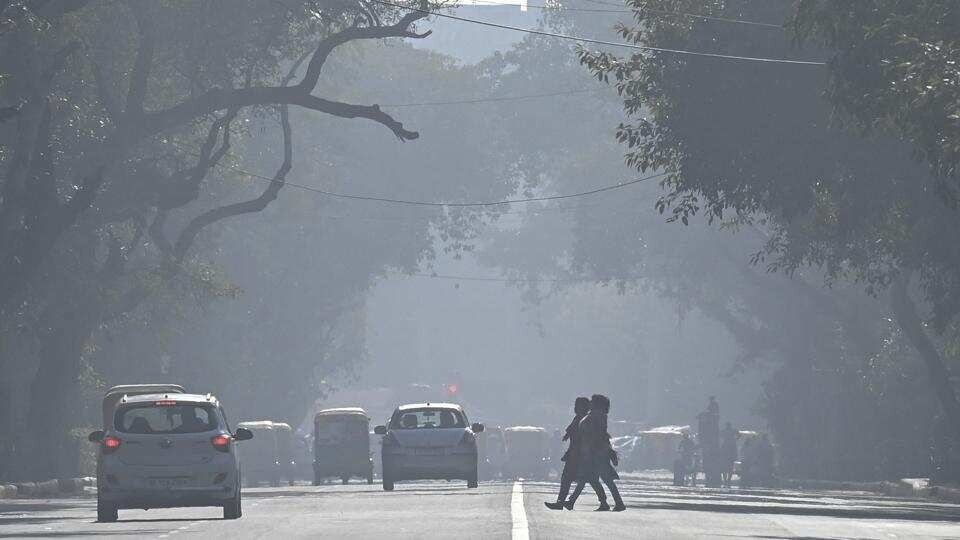
Fresh data from the University of Chicago’s Air Quality Life Index (AQLI) shows that air pollution now reduces the life expectancy of every Bengalurean by more than two years, a sharp rise from just eight months in the late 1990s, Deccan Herald reported.
Over the last 25 years, particulate matter (PM-2.5) levels have doubled across all districts of Karnataka, including Bengaluru. Though pollution levels in the state remain lower than the smog-heavy northern plains, the health burden is rising steadily.
(Also Read: 'School buses use this daily': Bengaluru CEO flags dangerous state of Panathur Road in viral post)
The AQLI report highlights how toxic particles, PM-2.5, which are 2.5 microns in size, penetrate deep into the lungs and bloodstream, increasing the risk of multiple diseases. In some years, the situation has been even worse for Bengaluru residents, the report further added.
For example, if the city’s air quality had matched the World Health Organization’s safe limit of 5 micrograms per cubic meter, each resident would have lived 2.9 years longer in 2016, 2.6 years longer in 2018, and 2.5 years longer in 2019 and 2021. Since 2007, the “years of life lost” figure has never dipped below two years.
In 1998, before the IT boom, Bengaluru recorded a PM-2.5 level of 13.1 micrograms per cubic meter. By 2023, this had shot up to 26.21 micrograms. Other districts mirrored this trend, with Kalaburagi at 26.31, Bidar at 25.01, and Belgaum at 23.72.
The government’s National Clean Air Programme (NCAP), launched in 2019 and covering 131 cities, aims to tackle this crisis. The revised target seeks a 40% reduction in particulate pollution by 2026 compared to 2017 levels.
The University of Chicago report notes some progress, “As of 2023, pollution in the districts with non-attainment cities had declined by 10.5% relative to 2017 (base year for the NCAP), adding six months to the life expectancy of 443.4 million residents, and two months to India’s national average life expectancy.”
If the revised NCAP goal is achieved, the report estimates that residents in these cities could gain 2.1 additional years of life, while the national average life expectancy could rise by nearly eight months, the DH report further added.
(Also Read: Bengaluru's Yellow Line Metro surges to 60,000 daily riders since August opening: Report)


