
 E-Paper



What is monkey fever? Karnataka reports first death of the year as health officials step up surveillance
Karnataka reports its first death from Kyasanur Forest Disease (monkey fever) this year, prompting intensified health surveillance across the state.

 Prefer HTon Google


Karnataka has reported its first death this year due to Kyasanur Forest Disease (KFD), commonly known as monkey fever, after a 29-year-old man from Thirthahalli in Shivamogga district succumbed to the infection at a hospital in neighbouring Udupi.
ALSO READ | KFD toll rises to 9 after 6-yr-old dies in Udupi
The patient had been suffering from fever since January 20 and was initially admitted to a local hospital before being shifted to Manipal’s KMC Hospital on Sunday as his condition worsened, The Times of India reported. Blood tests later confirmed that he had contracted KFD, a tick-borne viral disease.
Health department officials described the case as unusual, noting that early detection of KFD typically leads to near-total recovery. Authorities said the infection was confirmed within a day of reporting symptoms and the patient remained stable until a sudden deterioration a few days before his death, as per the report.
ALSO READ | Karnataka extends free monkey fever treatment to all patients
Following the fatality, the Karnataka health department has intensified surveillance in Malenadu regions, with teams closely monitoring people in surrounding areas for fever and other symptoms associated with the disease.
What is monkey fever?
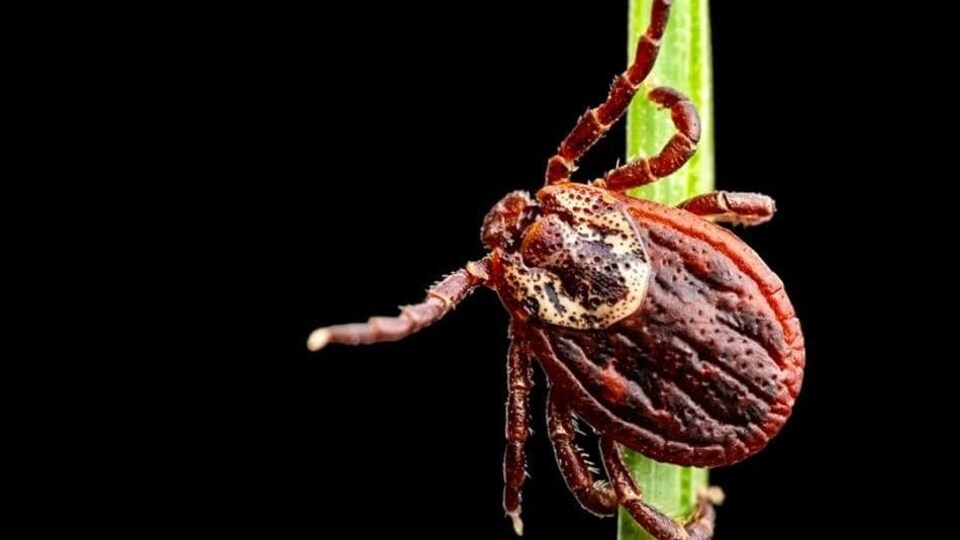
Monkey fever, medically known as Kyasanur Forest Disease, is a tick-borne viral haemorrhagic illness caused by a Flavivirus and is known to affect forested regions along the Western Ghats. The disease carries a fatality rate ranging from 3 to 15 per cent, higher than that seen in dengue, experts said, as per a HT.com report.
The disease shows a clear seasonal trend in Karnataka, usually beginning in November, peaking during January and February, and continuing until the onset of the monsoon in June. Delays in treatment can result in complications such as multiple organ failure.
ALSO READ | Karnataka: Monkey fever claims 1 more life, toll reaches 3 in 10 days
With a vaccine still under development by the Indian Council of Medical Research, the state is currently relying on preventive measures such as DEPA oil, a tick repellent, to limit the spread during the ongoing season. Human trials for the vaccine are expected to begin in April, with availability projected next year,HT.com earlier reported.
In a significant relief measure, the Karnataka government has announced free treatment for all KFD patients, extending the benefit beyond below-poverty-line families to include those above the poverty line as well.


