E-Paper



BJP-led govt in MP forms four caste specific welfare boards
A statistics department estimates that there are 3.5 million Rajaks, 1.8 million Teldhanis, 4.2 million Vishwakarmas and 0.58 million Swarnakala artists residing in the state

 Prefer HTon Google


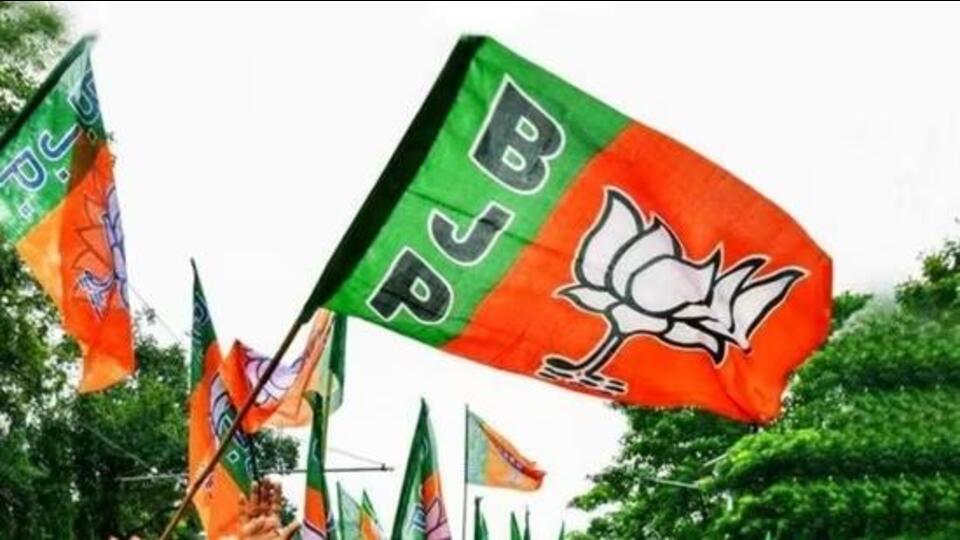
The Bharatiya Janata Party (BJP)-led government in Madhya Pradesh has set up four caste-specific boards for– Rajak, Teldhani, Vishwakarma and Swarnakala– to provide skill training and employment to youth belonging to these castes.
On Wednesday night, the state’s technical education department issued an order setting up a board each for the four castes. Each board will have a chairman and members to be nominated by the state government, officials said.
“The board will ensure skill development training, entrepreneurship promotion, promotion of employment and self-employment opportunities for the youth of four castes. The board will send recommendations of loan arrangement for start-up and business,” reads the order issued by principal secretary Manu Shrivastava.
Also Read: ‘Stopped from attending Hanuman Jayanti event’, claims BJP MP in Bengal
The boards will be independent bodies under the department, he said.
“The boards will also have powers to make rules and issue orders. Boards will get financial assistance from the MP government through MP State Skill Development and Employment Generation Board. These boards have been set up for economic growth of these communities,” added Shrivastava.
According to a BJP functionary, the aim of setting up these boards is to woo about 10 million voters belonging to these backward communities. A statistics department estimates that there are 3.5 million Rajaks, 1.8 million Teldhanis, 4.2 million Vishwakarmas and 0.58 million Swarnakala artists residing in the state.
“We have come up with similar boards before the 2013 election and it had a huge electoral impact. We got 165 out of 230 seats in 2013,” the BJP leader quoted above said.
The order came days after the Rajak community announced to the gherao chief minister’s house on April 10 demanding reservation under scheduled caste categories.
“We will organise our protest because we don’t trust this election promise of forming a board,” Rajak Sewa Sangathan president RL Bharke had said.
According to some political experts, setting up the board might not impact polls, as things have changed in the past 10 years.
Also Read: NGT forms panel to ensure restoration of three Darbhanga lakes
“The state government had come with Matikala Board, Shilpkar Board and others in 2013 too. 10 years ago, people showed trust in the BJP but now people are intelligent enough. In 2018, the BJP-led state government distributed huge money among people through Sambal and Bhavantar schemes but voters didn’t vote for BJP. This time too, such announcements will not leave much impact directly on the votes,” said Deepak Tiwari, a political expert.
“BJP is continuously working for the welfare of every caste and community. The boards have been formed for special focus on the community,” said BJP spokesperson Rajneesh Agrawal.
The Congress said the boards have been formed to accommodate BJP leaders of these communities.
“The workers are unhappy with the working of BJP and they are facing ire on the ground, so to oblige them, BJP-led state government has come up with boards. They are also giving status of cabinet and minister of state to the chairman and members of the boards respectively. These boards are not for the welfare of the people.”