E-Paper



Madhya Pradesh to build a Geeta Bhawan in each of state’s 413 urban bodies
Mohan Yadav first announced the plan to build a Geeta Bhawan in every urban and rural local body at a Janmashtami festival in Indore last year

 Prefer HTon Google


Bhopal: The Madhya Pradesh government will construct Geeta Bhawan, a community hall dedicated to promoting religious study and cultural activities, in each of the 413 urban bodies across the state.
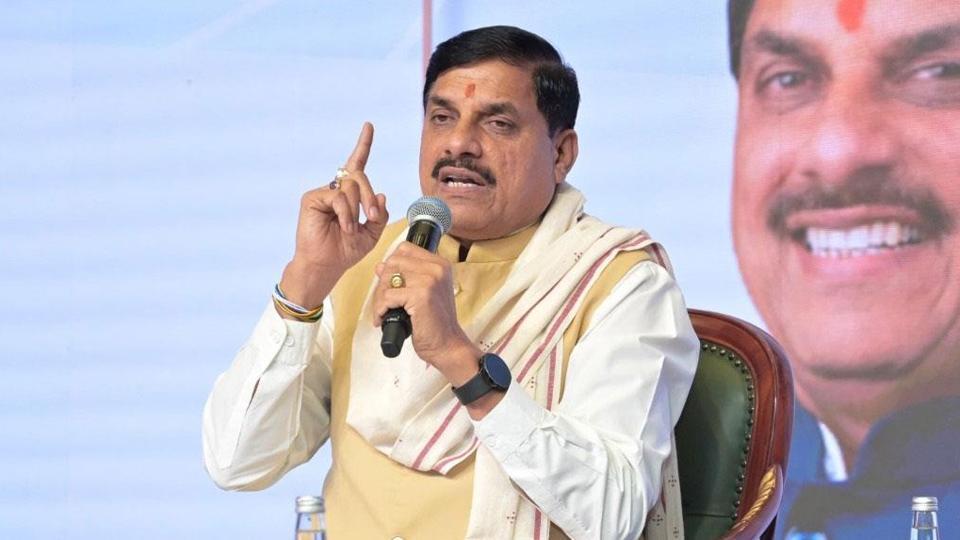
Chief Minister Mohan Yadav will lay the foundation stone for the Bhawan on August 16, coinciding with Krishna Janmashtami, the birth anniversary of Lord Krishna.
Yadav first announced the plan to build a Geeta Bhawan in every urban and rural local body area at a Janmashtami festival in Indore last year. In December, the state urban development department drew up a ₹2,875 crore plan for a Geeta Bhawan in each urban local body within three years.
“These community halls will serve as hubs for cultural, traditional, and religious practices,” said Shri Ram Tiwari, Director of Vikrampeeth and advisor to the chief minister.
Each Bhawan will feature a library and e-library stocked with religious and cultural literature, enabling the public to study and conduct research, he said. Tiwari added that the Bhawans will also host religious and cultural events such as Bhagwat Kathas and pravachans (spiritual discourses).
“Currently, organising such events is expensive due to venue and seating costs. These Bhawans will offer space free of charge to the public,” he said.
The architecture of the buildings will reflect Madhya Pradesh’s traditional styles, incorporating local art and murals. Facilities such as cafeterias and refreshment centres will also be included.
The state’s urban development and housing department will oversee the construction of the community halls. In the five largest cities, halls with 1,500-seat capacity will be built, while smaller urban bodies will have halls ranging from 250 to 1,000 seats. Municipal bodies may also collaborate with private partners for construction.
Urban Development Minister Kailash Vijayvargiya said the Geeta Bhawan as a “unique concept”. He said access to the halls would be provided free of cost to social, religious, and cultural organisations. “To ensure sustainability, each Bhawan will include commercial extensions such as shops, making them self-reliant,” he said.