E-Paper



Row over prayers for ‘god of Ayurveda’ in MP medical colleges
Stating that the prayers were organised for “good health of people” of the state, medical education minister Vishwas Sarang announced the worship of Dhanwantari will held every year on Dhanteras.

 Prefer HTon Google


Special prayers to Lord Dhanwantari, the mythical deity hailed as “god of Ayurveda”, were performed in all 10 medical colleges of Madhya Pradesh on the occasion of Dhanteras on Saturday, inviting flak from a section of doctors and the opposition party.
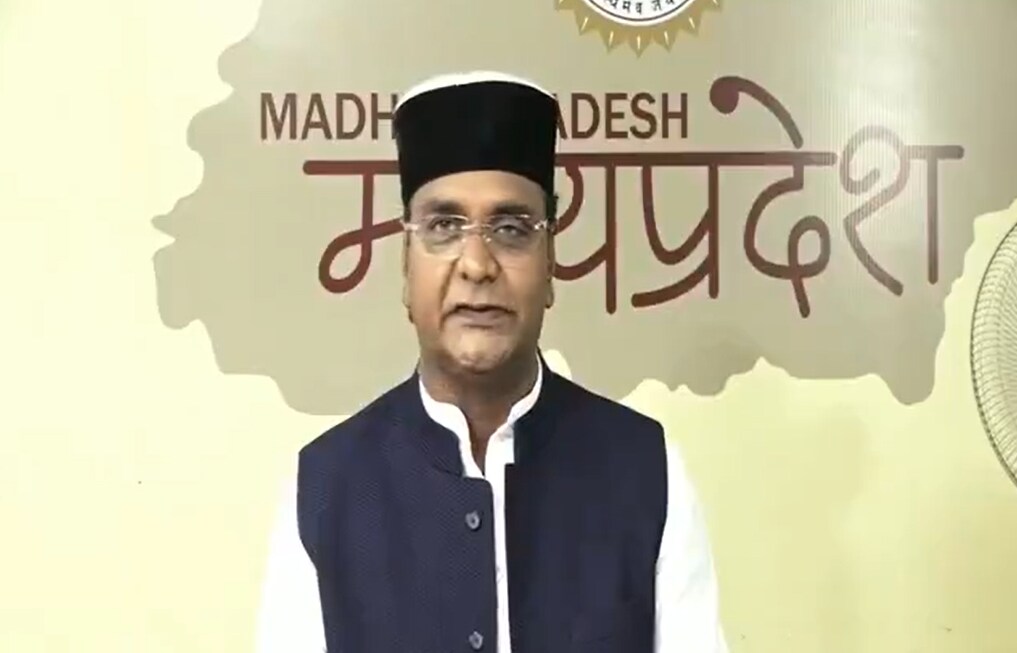
Stating that the prayers were organised for “good health of people” of the state, medical education minister Vishwas Sarang announced the worship of Dhanwantari will held every year on Dhanteras.
“On the day of Dhanteras, Lord Dhanwantari had appeared with Amrit (ambrosia) Kalash and herbs. According to Vedas, only by his blessings one gets the boon of a healthy body and health,” said Sarang, who performed the pooja (prayer) at Gandhi Medical College in Bhopal in the presence of all MBBS and PG students, doctors, paramedical staff and patients.
“The medical college is a place where we teach students to provide health benefits to the public.
“With this intention, Lord Dhanwantari has been worshiped in all the medical colleges of the state on Dhanteras to create a healthy Madhya Pradesh,” he added.
However, the event came under sharp criticism by doctors and the Opposition Congress.
“Prayers and meditation on several occasions help a patient in recovering from bad health, but such a worship (of Dhanwantari) is nothing but an attempt to push some agenda,” said Dr Anurag Gupta, former president, junior doctors’ network, Indian Medical Association (IMA).
“Nothing will be achieved by doing this mass pooja in all the medical colleges. This overlapping of spiritualism, religion and medical science will create only confusion and increase superstition.”
A renowned oncologist from Bhopal, Dr Shyam Agrawal, also expressed similar views.
“Everybody worships the god they believe in at home. But what is the need of performing such pooja in the medical colleges where doctors, paramedical staff and junior doctors have every minute crucial to see the patients,” said Dr Agrawal.
“If they really want to do something, they should improve the health facilities that will surely please the god and also keep the people healthy.”
The Congress accused the Bharatiya Janata Party-led state government for pushing “Hindutva agenda”.
“Lord Dhanwantari is a god of ayurveda. If BJP-led state government started worshipping him before Covid-19 and improved health facilities in the past 18 years, they might have saved lives of 2.5 lakh (205,000) people who died in the absence of health facilities during Covid-19,” claimed Jitendra Mishra, spokesperson, MP Congress Committee.
BJP spokesperson Hitesh Bajpai defended the move and said, “We value the Indian tradition and respect Lord Dhanwantari. It is a matter of faith and nobody was compelled to perform the pooja.”