
 E-Paper





Hillary Victor is a Special Correspondent, with over two decades of experience in impactful, ethical, and public-interest journalism. He works in the Punjab Bureau, covering housing and urban development, transport and civil aviation, environment, science and technology, forests and wildlife, with a strong focus on governance, public policy, infrastructure, and sustainable development. His reporting reflects a deep understanding of Punjab's socio-political landscape and is driven by accuracy, accountability, and a commitment to serving the public interest. Over the course of his career, he has built a reputation for producing high-impact, exclusive stories that have shaped public discourse and prompted policy and administrative action. He has been honoured with six 'Best Journalist Awards' by the Hindustan Times management for his path-breaking reportage. In recognition of his outstanding contribution to journalism, he was also conferred the 'Best Journalist Award' by the Government of Punjab during the 2010 Republic Day celebrations.
BSP rethinks solo stand in Punjab, opens back-channel talks with WPD
Mayawati’s nod awaited as seat-sharing discussions continue; alliance likely within fortnight, say insiders


The Bahujan Samaj Party (BSP), which had previously announced it would contest the 2027 Punjab assembly elections on its own, is now exploring an electoral alliance with Akali Dal (Waris Punjab De), signalling a possible shift in its political strategy ahead of the polls scheduled early next year.
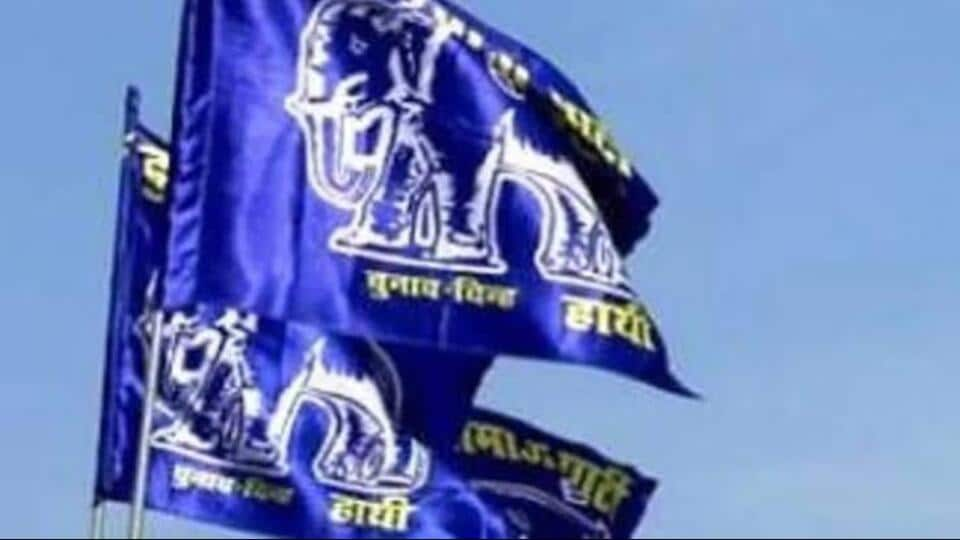
The party has opened back-channel negotiations with Waris Punjab De, led by jailed Khadoor Sahib MP Amritpal Singh, with insiders indicating that an alliance could be formalised within the next fortnight, subject to approval from BSP supremo Mayawati and resolution of seat-sharing issues.
For the BSP, an alliance could offer a route to reclaim lost political ground among Punjab’s Scheduled Caste electorate, which accounts for nearly 32% of the state’s population.
For the Waris Punjab De, which has moved the Delhi high court to expedite its registration as a political party, the partnership could help expand its appeal beyond its core Panthic support base.
‘Waris Punjab De’s registration awaited’
Last week, BSP Punjab president Avtar Singh Karimpuri and the party’s lone MLA, Nachhatar Pal, met Mayawati to seek her approval for the proposed alliance.
Confirming the development, Nachhatar Pal said the leadership had apprised Mayawati of the possibility of an electoral understanding with Waris Punjab De. “However, she advised us to wait until Waris Punjab De gets registered as a political party. Further discussions will follow thereafter,” he said.
Karimpuri also confirmed that informal negotiations were underway but maintained that the final decision rested with Mayawati.
Senior Waris Punjab De leader and Dakha MLA Manpreet Singh Ayali said discussions with the BSP leadership were progressing.
“Talks are on, and we are working out certain issues, particularly seat-sharing. We are hopeful of finalising the arrangement within the next two weeks,” he said.
A senior BSP leader, requesting anonymity, said an understanding with a regional party was crucial for the BSP to regain its political relevance in Punjab. “We are looking at rebuilding our electoral base and regaining lost ground. An alliance with a regional force could strengthen our prospects in the 2027 elections,” the leader said.
The proposed tie-up, however, marks a departure from Mayawati’s August announcement that the BSP would contest the 2027 Punjab Assembly elections on its own. She had also ruled out alliances in Uttar Pradesh and Uttarakhand, stressing that the party would focus on strengthening its organisation and reviving its electoral base independently.
Route to reclaim lost support base?
The BSP’s willingness to explore an alliance in Punjab underscores the political challenges confronting the party in a state that holds particular significance in its history. Punjab is not only home to the country’s highest proportion of Scheduled Caste population but is also the birthplace of BSP founder Kanshi Ram.
Despite this social base, the party has witnessed a steady erosion of its electoral support, losing ground to the Congress and the Aam Aadmi Party (AAP). In the 2022 assembly elections, the BSP contested 20 seats in alliance with the Shiromani Akali Dal (SAD) but managed to win only the Nawanshahr seat, represented by Nachhatar Pal.
The party’s declining electoral footprint is reflected in its vote share, which stood at nearly 16% in 1992, when it won nine assembly seats. Its support base subsequently shrank, with the vote share falling to around 1.5% in 2017 and recovering marginally to 1.77% in 2022.
Even on the Lok Sabha front, the BSP has seen a significant downturn following its early successes in the state.
The 1996 general election marked the party’s strongest parliamentary showing in Punjab, when its alliance with the SAD swept 11 of the state’s 13 seats—including three of the four seats contested by the BSP: Phillaur, Ferozepur, and Hoshiarpur, the latter won by party founder Kanshi Ram.
However, the party lost all three seats in 1998 after the SAD broke ties to form an alliance with the Bharatiya Janata Party (BJP) and internal defections eroded its base. Since then, the BSP has repeatedly failed to open its account in the Lok Sabha polls, most recently contesting all 13 Punjab seats solo in 2024 without a single win and securing just a 2.49% overall vote share in the state.
Waris Punjab De, meanwhile, made an immediate parliamentary breakthrough in 2024, with its chief, Amritpal Singh, winning the Khadoor Sahib seat as an Independent in his very first electoral outing—polling 4.04 lakh votes and clinching the highest victory margin in the state at 1.97 lakh.
Whether the fledgling outfit, formed in January 2025, can replicate its chief’s Lok Sabha success in the 2027 assembly elections will, however, depend on securing registration as a political party, an application for which is pending with the Election Commission of India.


