
 E-Paper



International Literature Festival: Seeds of hatred sown during Partition, says Kerala governor
Kerala governor Arif Mohammed Khan said the seeds of hatred were sown during Partition. He was in Shimla to chair the session, “Singing the faith: Bhakti Literature in India”, at International Literature Festival


Amidst the rising communal violence in the country, Kerala governor Arif Mohammed Khan said on Saturday that the seeds of hatred were sown during the Partition.
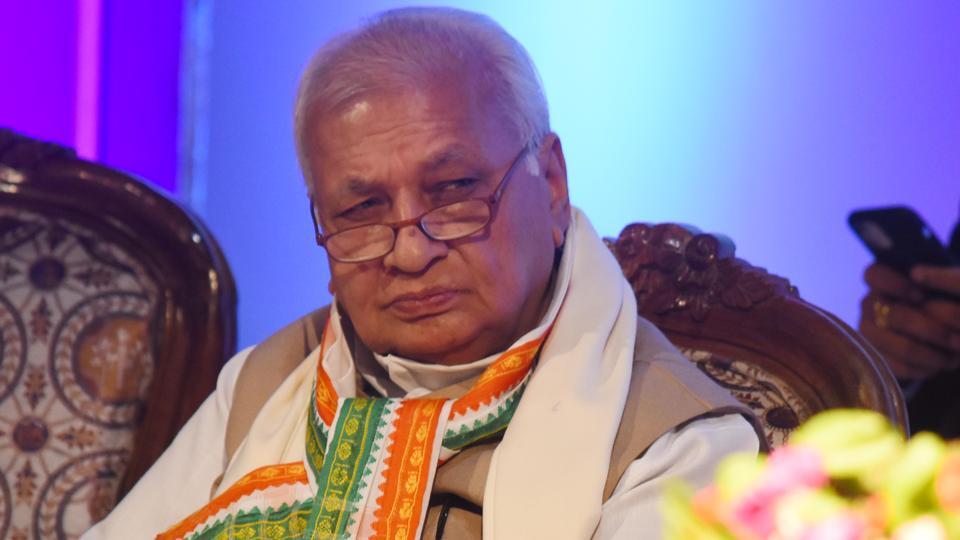
Khan was in Shimla to chair the session, “Singing the faith: Bhakti Literature in India”, at the three-day International Literature Festival jointly organised by the Ministry of Culture, Government of India, and the Sahitya Akademi that concluded here this evening. More than 25 distinguished writers, poets, translators, critics and scholars from various walks of life from 15 different countries participated in the festival.
He said the seeds of hatred were sown during the Partition. The alertness again that was needed after the Partition was never shown. Citing Maulana Abul Kalam Azad, Khan said, “If water stays at a place it starts to stink after some time. Instead of indulging in blame-game, we should try to clean it.”
He said that there were no curbs on free speech in India. “These are just things to say. There cannot be restrictions on free speech in India. For thousands of years India is a country of free souls,” he said.
Earlier, participants including, Basavaraj Kalgudi, Jagbir Singh Mohammad Azam, Mukundakam Sharma, P Bhaskar Yogi, Surya Prasad Dixit and Udaya Narayana Singh, spoke on the Bhakti movement transforming India. They talked about the diverse devotional literature in so many languages.
The session enlightened the audiences on how Indian bhakti literature served multiple social functions such as uniting varied communities and acting as a catalyst in countering the hegemony of various types.
“The bhakti literature showed the path to the routes of culture to the masses, lifted the depressed out of their dogmatic slumber and gave shape and directions to the aspirations of people,” said Khan. He lauded Adi Guru Shankaracharya’s efforts in bringing equality among castes. “People in Kerala are sensitive about equality. It is the only place where social transformation took place without social tension,” he added.


