
 E-Paper



Ludhiana | GADVASU issues advisory to avert damage to fish ponds during monsoon
Meera D Ansal, dean, College of Fisheries, Guru Angad Dev Veterinary and Animal Sciences University (GADVASU), Ludhiana, shared important management practices for fish farming in the monsoon season


Although monsoon is a favourable season for fish farming, smart water management skills are required to avert any unforeseen damage to fish ponds and loss of fish stock.
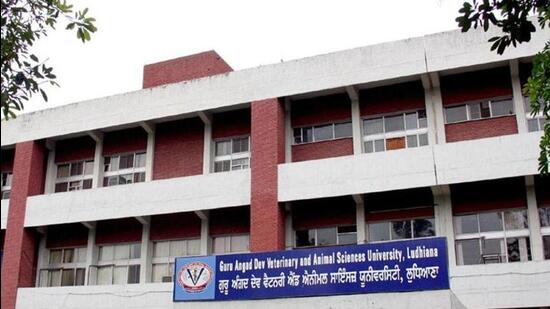
Meera D Ansal, dean, College of Fisheries, Guru Angad Dev Veterinary and Animal Sciences University (GADVASU), shared important management practices for fish farming in the monsoon season.
Ansal advised to plant pond dykes with grass to check erosion. However, in case, water becomes muddy due to erosion, she told to apply limestone in accordance with pH of water. Further, leaving about two-feet of free board over the water surface for accommodating rainwater and preventing overflow.
An automatic meshed overflow pipe may also be provided for maintaining desired water levels. Net fencing around the pond is recommended to prevent fish escape with overflow in case of high intensity rainfall. The dykes shall be kept 3-4 feet raised above ground level to fend off inflow from the catchment area, which otherwise may bring lots of organic load and pesticides from the adjoining agricultural fields and pollute the water.
It is vital to ensure that the pH of water does not fall below 7.0, which is detrimental for fish survival and growth. To prevent such conditions, it is advised to sprinkle limestone on the pond dykes (@ 10 kg/100m sq) so that it mixes with rainwater and neutralises its acidic effects. Further, to prevent any chance of sharp decline in top layer pH, the surface wheel aerator shall be kept running during rainfall for proper mixing of water. Also, adjust feed quantity in accordance to temperature change to prevent wastage.
As most of the fish species breed during monsoon, it is recommended not to fill the ponds with canal water during this season. In case it is the only source of water, fix a very fine mesh net on the mouth of the inlet pipe to check entry of eggs and larvae of unwanted fish species (weed and predatory) into the pond.
In case, cloudy conditions prevail for long hours during day time and plankton crop crash occurs due to rainfall, it is suggested to maintain oxygen level through an effective aeration method and stop feeding till next sunshine.
It is advocated to periodically replenish 20-25% of pond water with freshwater to maintain optimum pH and oxygen levels during this season, where nutrient rich pond water can be efficiently utilised for irrigating paddy fields with significant saving on fertilizer costs.


