
 E-Paper



Ludhiana | With mercury soaring, GADVASU issues advisory for fish growth and its protection
The experts from GADVASU, Ludhiana, told that for the north-western states, March/April–October/November is the best period for fish growth during which smart management practices can boost production and farmers’ income significantly

 Prefer HTon Google


Guru Angad Dev Veterinary and Animal Sciences University (GADVASU) experts issued an advisory for the fish farmers in the state for growth and protection of fishes after the temperature exceeds 35°C.
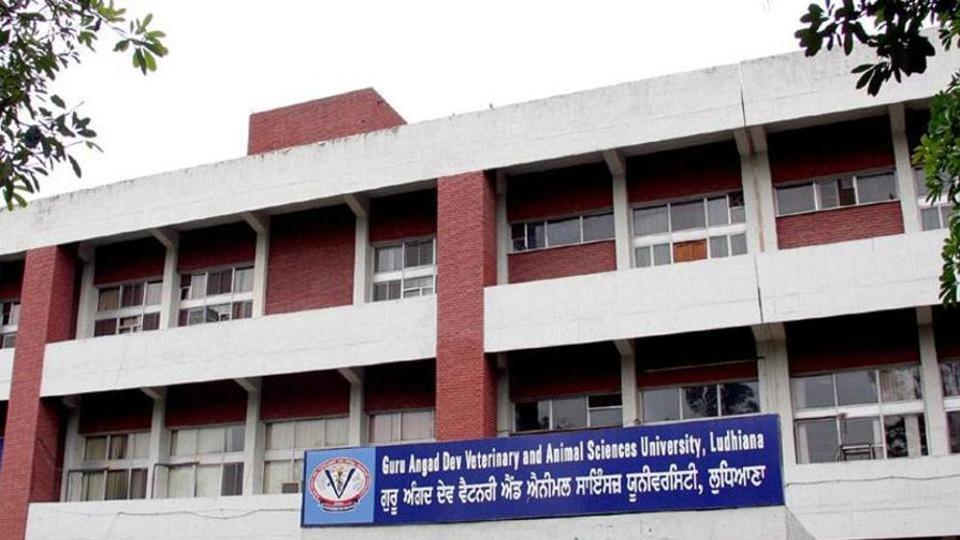
The university experts told that for the north-western states, March/April–October/November is the best period for fish growth during which smart management practices can boost production and farmers’ income significantly.
Summer season is favourable for fish growth, but protection against temperature exceeding 35°C is important.
Meera D Ansal, dean of College of Fisheries, GADVASU, said the farmers should maintain 5–6 feet water depth during peak summer months to provide a comfortable zone to fishes below the hot surface layer.
She advised the farmers to maintain oxygen levels above 5 mg/l during this period, which may fall to lethal levels during dawn due to enhanced biological activity. “Hence, aerate the ponds during early hours of the day (before sunrise), either by adding fresh water or using aerators, and use the nutrient-rich pond water to irrigate the paddy fields during this period. It will improve water quality in the pond and reduce fertilizer requirements in the paddy fields as well,” she said.
Further, she stated that sustained plankton (natural food) production in the pond and feeding with quality feed as per recommended regime helps in achieving optimised production targets.
“Use farm-made pellet feeds to reduce feed wastage and achieve better feed conversion efficiency. In case, water turns dark green, brown or greenish brown in colour, and a green, brown or red-coloured algal mat appears on the surface of water, suspend manuring and feeding till the condition improves back to normal. Also, check day-night variation in water pH, which may cross 9.5 during peak day hours and fall below 7.0 during night hours. Maintain optimum pH range (7.5-8.5) with lime or alum/gypsum application as per the expert advice,” Ansal added.
‘More inputs, less production ’
The experts said farmers should refrain from anticipating higher production through increased inputs i.e., seed, feed and fertilizers. It not only enhances input cost, but also leads to less production or crop failure. Water quality deteriorates due to overstocking, and overfeeding. Further, ammonia toxicity increases with increase in temperature and pH, leading to stress, and subsequently disease outbreak or mortality. Under such conditions, the ponds should be kept well aerated.
Adhering to the golden rule— Prevention is better than cure— for disease management, Ansal advised the farmers to follow the recommended prophylactic measures with lime (50-100 kg/acre, if pH< 8.0), potassium permanganate/KMnO4 (1-2 kg/acre) or ‘CIFAX’ (400 ml/acre) to maintain fish health; take care of recommended biosecurity measures to check entry of harmful pathogen; and in case of any disease, consult an expert for proper diagnosis and treatment.


