
 E-Paper



PCOS can have long-term repercussions on health of women, says PGI doctor
According to Dr Aashima Arora, associate professor at PGIMER, PCOS affects women of reproductive age across the globe

 Prefer HTon Google


Polycystic Ovary Syndrome (PCOS), a complex hormonal disorder, can have significant long-term effects on a woman’s health and well-being, say experts. While its immediate effects are troubling, health experts are drawing attention to its latent, potentially life-altering long-term repercussions.
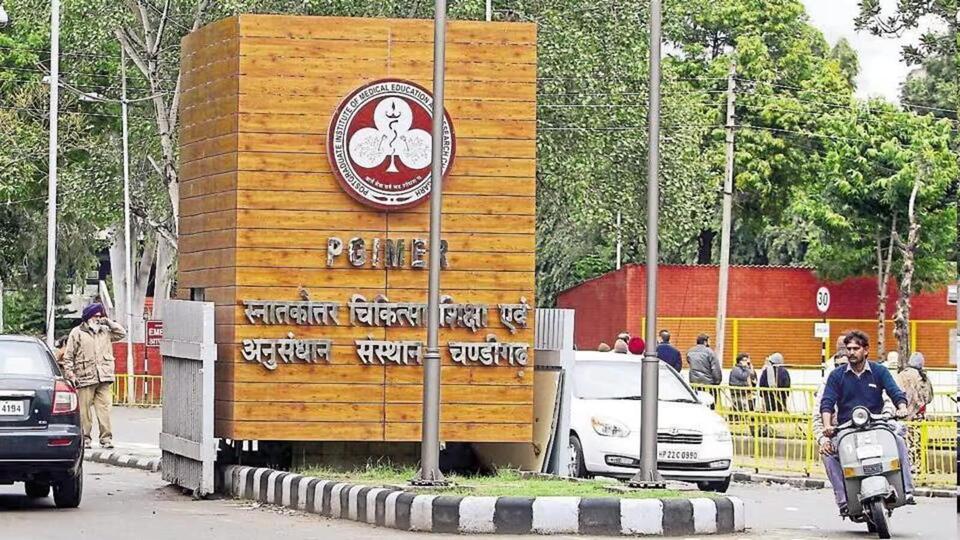
According to Dr Aashima Arora, associate professor in the department of obstetrics and gynaecology at Post Graduate Institute of Medical Education and Research, PCOS, characterised by hormonal imbalances, irregular periods and the formation of small cysts on the ovaries, affects women of reproductive age across the globe.
She said that the disorder disrupts the hormonal balance, leading to irregular periods and in some cases, fertility challenges caused by disrupted ovulation. It can have potential long-term repercussions that demand heightened awareness, she added.
Dr Arora stressed that early intervention is required in cases of PCOS and allowing it to linger untreated affects gynaecological health and heightening the risk of non-gynaecological complications, including high blood pressure, diabetes and cancer.
“If any female experiences irregular periods, seeking medical consultation is imperative,” Dr Arora said. She emphasised that irregular periods, often an indicator of PCOS, are highly treatable if addressed promptly.
Dr Arora explained that PCOS often begins during youth. “Obesity emerges as a significant catalyst, accentuating the importance of healthy habits early in life. Encouraging physical activities during childhood and discouraging consumption of junk food are pivotal steps in curbing the risk of PCOS,” she added.
Dr Arora said, “In a world where health is a treasure, PCOS serves as a reminder that knowledge, early action and healthy lifestyle can chart the course for a future where women’s health is fortified against the challenges of this complex syndrome.”


