
 E-Paper



Punjab farm fire count crosses 100 mark, 8 more than last year
The farm-fire tracking period begins September 15 every year, with paddy procurement starting on October 1. Last year, the state recorded 5,114 cases of stubble burning, down from 10,909 in 2024

 Prefer HTon Google


Punjab’s farm-fire count crossed the 100-mark on Thursday, with 15 fresh stubble burning cases taking the cumulative tally to 103 — eight more than the 95 incidents recorded during the corresponding period last year.
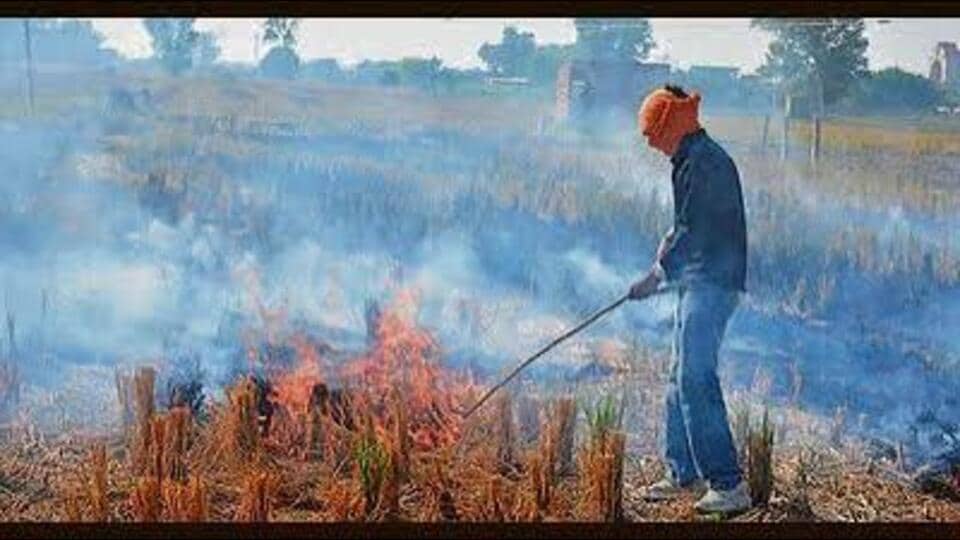
The latest data from the Commission for Air Quality Management (CAQM), updated on October 7, showed that the number of farm-fire incidents reported in the state under the ISRO protocol had reached 103. Of these, 87 fields have been physically inspected, while crop burning has been verified at 37 sites.
The farm-fire tracking period begins September 15 every year, with paddy procurement starting on October 1. Last year, the state recorded 5,114 cases of stubble burning, down from 10,909 in 2024.
The fresh cases have come amid the ongoing paddy harvesting season, with Amritsar and Tarn Taran emerging as the biggest hotspots.
Amritsar has recorded the highest number of incidents at 59, followed by Tarn Taran with 26. Ferozepur has reported five cases, Gurdaspur three, while Moga and Patiala have reported two each. Faridkot, Fazilka, Hoshiarpur, SBS Nagar and SAS Nagar have reported one case each. Most of the incidents have been reported from districts where early-maturing paddy varieties have been sown. In several districts and areas, harvesting is yet to begin.
The CAQM data also indicates that enforcement agencies have already intensified their field-level monitoring.
Paddy straw burning in Punjab and Haryana is considered one of the factors contributing to the seasonal spike in air pollution in the national capital region during October and November. As the window for sowing wheat is very short after paddy harvest, farmers tend to set their fields on fire to quickly clear the crop residue.
In Amritsar, 50 of the 59 reported sites have been inspected, and burning has been physically verified at 18 locations. In Tarn Taran, 20 of the 26 reported sites have been inspected, with burning confirmed at 11 locations.
Authorities have imposed environmental compensation (EC) in 36 cases, amounting to ₹1.80 lakh, of which ₹1 lakh has been recovered so far. The highest number of EC cases have been reported from Amritsar, where ₹85,000 has been imposed, and ₹60,000 recovered. Tarn Taran follows with ₹55,000 imposed and ₹20,000 recovered, while Ferozepur has seen ₹25,000 imposed and ₹15,000 recovered.
The report further shows that one FIR has been registered under Section 223 of the Bharatiya Nyaya Sanhita, while red entries have been made in 15 farm records.
Though the government has stepped up enforcement and monitoring, the rising farm-fire count could add to the challenge for the state government and enforcement agencies as paddy harvesting gathers pace. With harvesting expected to pick up in the coming days, authorities could face greater pressure to contain incidents, particularly in the major hotspots.
In an 85-page plan submitted to CAQM in September this year, Punjab has highlighted a comprehensive five-year plan to achieve ‘zero’ stubble burning by 2030. The government’s roadmap proposes measures ranging from crop diversification and next-generation crop residue management machinery to biomass industrial parks and permanent stubble storage depots across the state for in-situ and ex-situ management of crop residue.


