
 E-Paper



Punjab: Procurement ops set to be hit as arhtiyas go on strike
Arhtiyas are demanding restoration of 2.5% dami, reimbursement of ₹55 cr deducted by FCI as EPF, withdrawal of decision to cut commission for procurement

 Prefer HTon Google


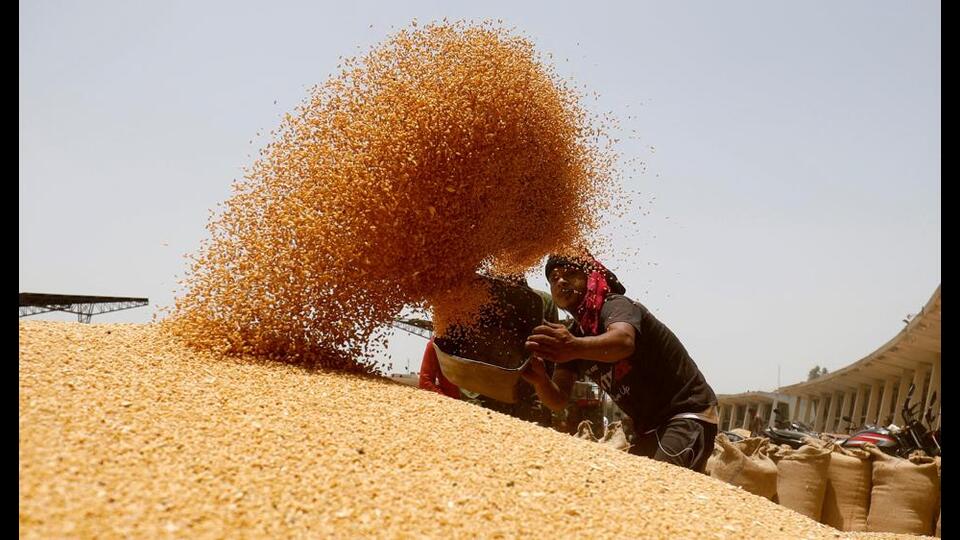
Chandigarh: Wheat procurement in Punjab began on Wednesday on a troubled note as arhtiyas (commission agents), who play a central role in mandi operations, went on strike over a set of unresolved demands, raising concerns over disruptions in the procurement process.
The arhtiyas are demanding restoration of the old system of 2.5% dami (commission), reimbursement of ₹55 crore deducted by the Food Corporation of India (FCI) as employees’ provident fund (EPF), and withdrawal of the decision to cut commission for procurement of foodgrains meant for storage in silos.
Punjab is expecting the arrival of around 122 lakh tonnes of wheat in mandis this season. However, arrivals are likely to be delayed due to unseasonal rainfall in March, when the crop was at the maturing stage.
According to arhtiya association president Sanjeev Kalra, the Centre has fixed dami at ₹50.75 per quintal, up from ₹46 per quintal in the previous kharif season, replacing the earlier 2.5% commission model that was in place until 2022. “We want the government to revert to the old system. The EPF deduction for seasonal labour should also be reimbursed,” he said, adding that there was no justification for halving the commission for grain stored in silos.
Officials in the food department downplayed the strike, terming it a “seasonal ritual” and expressing hope that arhtiyas would soon resume work. Nevertheless, their absence could affect procurement, as they assist government agencies and farmers in cleaning, weighing and managing freshly procured grain.
Punjab food and civil supplies minister Lal Chand Kataruchak said the demands fall under the jurisdiction of the Union government and that chief minister Bhagwant Mann has written to the Centre seeking resolution. He added that the Union ministry of food and public distribution has constituted a committee to look into the issue of full commission payment for grain stored in silos.
State seeks 860 special
trains for grain evacuation
The state is grappling with an acute storage crisis. Punjab has sought 860 special goods trains during April and May to evacuate at least 22 lakh tonnes of wheat currently stored in covered area plinths (CAP) to make room for the fresh crop. The request, sent to the FCI, includes 420 trains in April and 440 in May.
The urgency stems from overflowing granaries. According to official data, around 170 lakh tonnes of rice is currently stored in the state, including 130 lakh tonnes from the 2024 kharif season, leaving little space for fresh arrivals.
To ease the pressure on storage nationwide, the Union ministry has directed states and Union territories to distribute foodgrains in advance for three months — from April to June — under the National Food Security Act. Officials say this move is aimed at accelerating the liquidation of stocks, which has slowed in recent years due to reduced demand from consuming states.
Punjab alone has about 1.53 crore beneficiaries under the Act, each entitled to 5 kg of foodgrain per month free of cost. Officials believe that advance distribution will help mitigate the storage crunch as procurement gathers pace.


