
 E-Paper



SGPC elections: Punjab, Himachal, UT yet to start process of updating electoral rolls
Punjab, Himachal and UT Chandigarh are yet to start the process of updating electoral rolls for the polls to elect Shiromani Gurdwara Parbandhak Committee (SGPC) members for the general house, the notification of which was issued by the chief commissioner, gurdwara elections, on May 25.


Chandigarh : Punjab, Himachal and UT Chandigarh are yet to start the process of updating electoral rolls for the polls to elect Shiromani Gurdwara Parbandhak Committee (SGPC) members for the general house, the notification of which was issued by the chief commissioner, gurdwara elections, on May 25.
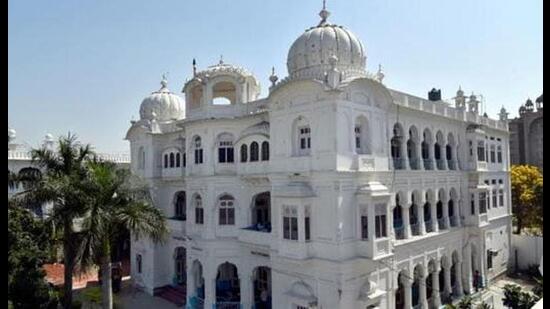
“The governments of Punjab and Himachal Pradesh and the UT administrator are to issue directions for updating the electoral rolls for SGPC elections,” said justice SS Saron, chief commissioner, gurdwara elections, adding the commission can’t set a deadline for the governments. “The commission can think setting a deadline once they start the process,” he said.
The May 25 notification was addressed to the Punjab chief secretary, additional chief secretary (home) and the deputy commissioners. According to ACS (home) Anurag Verma, the state government has endorsed what the commission has notified.
“As and when the commission issue subsequent directions, the state government will work accordingly. All election-related works are independently dealt by the deputy commissioners and the timeline is to be fixed by the commission, as the act is very clear on the matter,” he added.
Out of 191 members in the general house of the SGPC, 157 are elected from Punjab, one each from Himachal and Chandigarh.
As many as 11 members come from Haryana but with the formation of a separate Haryana Gurdwara Parbandhak Committee, there is no clarity if they will be counted for the next SGPC general house elections or not. “The Union law ministry may take a call on the matter,” said Saron, a retired judge of Punjab and Haryana high court.
There are a total of 110 constituencies in Punjab, out of which 47 segments are represented by two members each, while 30 constituencies are reserved for women candidates. Reportedly, 27 constituencies are unrepresented, as 25 members have died, while two resigned.
After the election and formation of the general house, 15 members are co-opted to the general house from outside states. Six members come from the Sikh clergy, which includes five head priests heading the five temporal seats and the head ‘granthi’ of the Golden Temple.
The general house elects an 11-member executive body, including the president and general secretary, to run the day-to-day affairs of the SGPC. The office bearers’ election takes place every year in November.
Last time, the SGPC general house elections were held in 2011. Later, the Supreme Court stayed the new house from taking over and asked the then executive to run the SGPC affairs.
In 2016, the Supreme Court disposed of a petition by the SGPC over ‘sehajdhari’ Sikhs’ right to vote in the elections as the case became irrelevant following a new central law taking away their right. The SGPC moved the SC challenging the December 20, 2011, judgment of the Punjab and Haryana high court restoring sehajdharis’ right to vote.
The SGPC has an annual budget of more than ₹1,100 crore, 100 historical gurdwaras to manage, schools, colleges, hospitals, and control over Sikh matters, besides global connections and direct links with the all-powerful central government.
Known as mini-parliament of the Sikhs, the SGPC is representative body of the Sikhs living over the globe and is empowered to appoint the clergy, particularly the jathedar of Akal Takht, the highest temporal seat of the Sikhs. Currently, Sukhbir Singh Badal-led Shiromani Akali Dal (SAD) has the majority in the SGPC general house and its leader Harjinder Singh Dhami heads the gurdwara body.


